








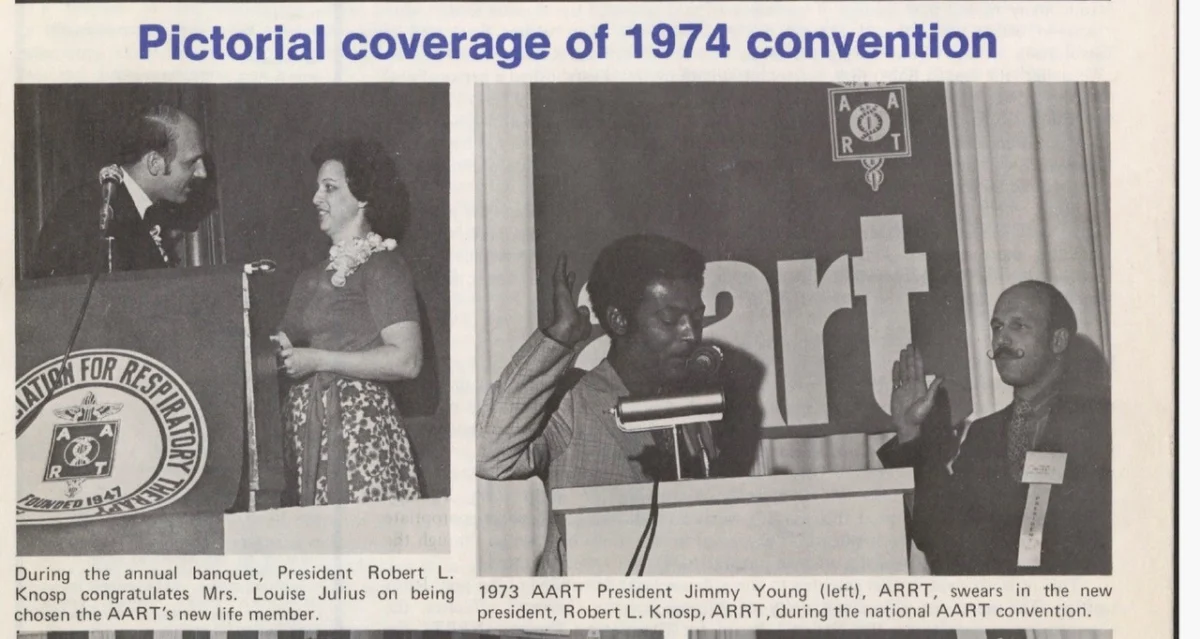
The American Association for Respiratory Care (AARC) has long stood as the bedrock of pulmonary health in the United States. At the pinnacle of its recognition hierarchy sits the Jimmy A. Young Award, an honor bestowed upon those who have rendered distinguished service to the profession and the association. Named in memory of the late AARC president—a man whose life was synonymous with the advancement of respiratory care—the award is not merely a plaque; it is a lifetime achievement milestone that recognizes sustained, transformative contributions.
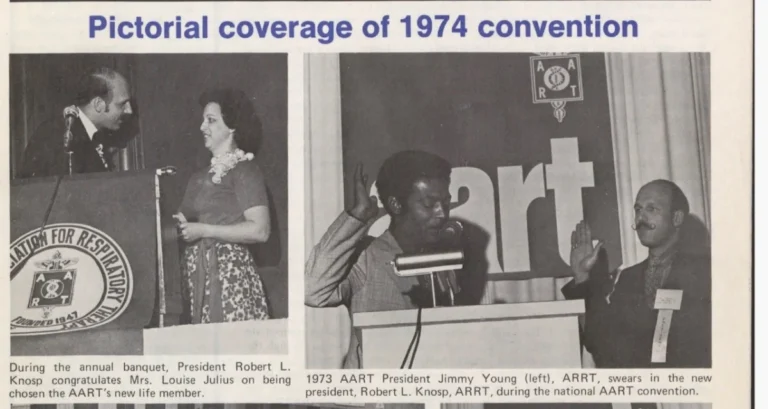
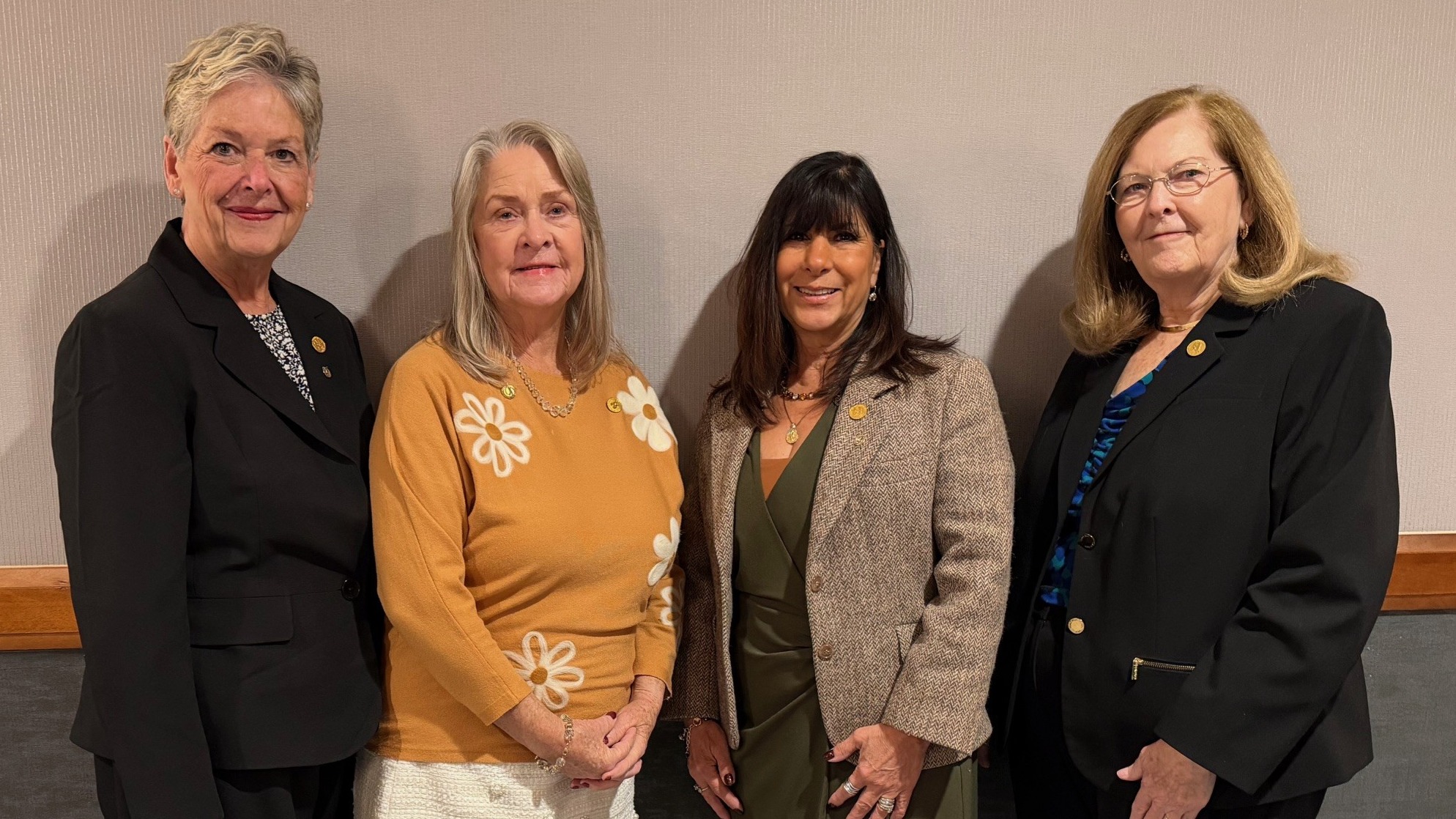
Recently, Lisa Weisenberger, AARC Director of Content and Communications, facilitated a profound, multi-generational dialogue featuring four of the five women who have ever received this prestigious honor: Dianne Lewis, MS, RRT, FAARC (2025); Trudy Watson, BS, RRT, FAARC (2018); Margaret Traband, MEd, RRT, FAARC (2011); and Teresa Volsko, MBA, MHHS, LSSBB, RRT, FAARC (2020). The fifth recipient, Louise Julius, set the precedent in 1988, co-receiving the award alongside her husband, John.
This retrospective offers an intimate look at the evolution of respiratory therapy, the shattering of professional glass ceilings, and the enduring philosophy required to lead in a high-stakes medical field.
The Legacy of Service: Defining a Profession
To understand the trajectory of these women is to understand the history of respiratory therapy itself. The Jimmy A. Young Award is a celebration of those who didn’t just practice the profession, but actively built its infrastructure.
The Architect of Standardization
Dianne Lewis, the most recent recipient (2025), represents the generation that brought rigorous academic and clinical standards to the forefront. Reflecting on her career, she points to her foundational work within the House of Delegates and her tenure on the Clinical Practice Guidelines Steering Committee.
"My group wrote and published the first clinical practice guideline for the association," Lewis noted. This was a watershed moment for the field. Before these guidelines, respiratory care varied significantly by region and institution. By formalizing these practices, Lewis and her contemporaries transformed respiratory therapy from a trade into an evidence-based medical science, ensuring that a patient in a rural clinic received the same caliber of care as one in a major metropolitan hospital.
The Grassroots Origin
Margaret Traband, who entered the AARC in 1972, offers a perspective on the importance of local activism. Her career path illustrates that systemic change rarely begins at the top; it begins at the state society level. "We began with our state societies," Traband explained. "You don’t do it looking for what else you need to check off a list to get an award. You’re just moving ahead where you think you can do the most good." Her philosophy remains a guiding light for younger practitioners: service is not about the accolade; it is about the incremental, often invisible, work of building an organization.
Breaking the Glass Ceiling: A Cultural Shift
While the respiratory therapy workforce is now composed of a diverse gender demographic, the historical landscape was starkly different. Leadership roles were, for decades, predominantly held by men. The journey of these four women mirrors the broader struggle for gender parity in healthcare administration.
From Competition to Collaboration
Teresa Volsko provided a vivid illustration of the "scarcity mindset" that dominated the late 20th century. "In 1979, if you were invited to the table, you didn’t dare bring another woman up with you because there was only one or two seats," she reflected.
This competitive environment was a survival mechanism born of necessity, but it was also a limitation on the profession’s growth. The women of the Jimmy A. Young Award have been instrumental in pivoting that culture toward one of mentorship and advocacy. Today, they emphasize that "lifting each other up" is the primary mandate for current leadership. The shift from a closed-door policy to an open-table philosophy has not only empowered women but has also broadened the intellectual and strategic diversity of the AARC.
Lessons for the Next Generation: A Roadmap for Excellence
The dialogue between these leaders serves as a masterclass for the next generation of Respiratory Therapists (RTs). Their combined decades of experience distill down into three fundamental pillars for career longevity and impact.
1. The Art of Strategic Networking
Trudy Watson emphasizes that influence is built on trust and visibility. It is not enough to be a skilled clinician behind a closed door; one must engage with the broader medical ecosystem. "Get involved so your name is known and you are trusted within your own organization," Watson advised. This includes branching out into auxiliary organizations like the American Lung Association. Networking, in this context, is not about self-promotion; it is about establishing a reputation for reliability that allows you to advocate effectively for your patients and your peers.
2. The Requirement of Being Over-Prepared
The early days of the profession, as recalled by Traband, were defined by a relentless hunger for knowledge. The "Journal Clubs" of the 1970s—where therapists gathered to dissect the latest research—are a hallmark of the commitment to clinical excellence. "Being over-prepared is status quo for most of us," Traband noted. In the high-stakes environment of the ICU or the emergency department, where minutes dictate outcomes, being "half-prepared" is a liability. For these leaders, preparation is the ultimate form of patient advocacy.
3. Leading from the Bedside
Perhaps the most crucial lesson shared by Volsko is that leadership is not synonymous with an administrative title. "Don’t let the fact that you have the title of a clinical respiratory therapist stop you from doing great things," she asserted. True leadership manifests in how a therapist manages a crisis, mentors a student, or challenges an inefficient protocol. By leading from the bedside, an RT establishes a foundation of credibility that makes them an indispensable part of the interdisciplinary healthcare team.
Supporting Data: The Dual Reality of the Future
As the profession looks toward the next decade, it faces a complex landscape. The demand for qualified RTs is projected to grow significantly, yet the pipeline of new talent faces turbulence.
- Growth Projections: The increasing prevalence of respiratory diseases, coupled with an aging population, ensures that RTs will remain central to the healthcare workforce.
- The Pipeline Challenge: Trudy Watson highlighted the difficulty in filling classroom seats. As the profession expands, the challenge lies in recruiting the next generation of students who can maintain the high standards of the past while navigating the digital and complex clinical environments of the future.
- The Post-Pandemic Toll: Burnout remains a critical issue. The emotional and physical toll of the last few years has left many in the field questioning their trajectory.
Addressing these challenges requires a concerted effort to emphasize the intrinsic value of the work. Traband offers a poignant, grounded solution: "The further away you get from the bedside, the less positive reinforcement happens. Take the time to reflect at the end of the day. Know that you’ve alleviated breathlessness and calmed patients. Steep in that moment."
Implications: A Call to Action
The Jimmy A. Young Award serves as a bridge between the founding pioneers of respiratory therapy and the leaders of tomorrow. The implications of this retrospective are clear: the future of the profession depends on a deliberate synthesis of clinical precision and bold advocacy.
The legacy of these four women—Lewis, Watson, Traband, and Volsko—is not just in the awards they have received, but in the systems they have improved and the individuals they have mentored. They have demonstrated that the profession is not a static set of tasks, but a dynamic, evolving field that requires constant vigilance, continuous learning, and the courage to take a seat at the table.
As the AARC moves forward, the "lessons from the top" provide a blueprint for all practitioners. Whether a student entering their first clinical rotation or a veteran therapist looking to influence policy, the path forward is illuminated by the same values that have defined the Jimmy A. Young Award recipients for decades: service, preparation, and the unwavering commitment to the patient’s next breath.
The profession of respiratory therapy stands at a crossroads. By embracing the mentorship, networking, and leadership principles articulated by these trailblazers, the next generation will be well-equipped to face the challenges of the future while honoring the foundational spirit of those who built the field.