











In the modern era of high-performance culture and 24/7 connectivity, sleep is often the first casualty of a busy schedule. Yet, medical science is increasingly clear: sleep is the bedrock upon which our physical, mental, and emotional health is built. Despite this, a staggering, systemic silence persists between patients and their physicians. New data reveals that nearly half of all American adults—45%—have never broached the subject of sleep quality with a healthcare professional.
This oversight is not merely a matter of fatigue; it is a critical public health failure. As we navigate a landscape of rising chronic disease, the refusal to treat sleep as a vital sign is a missed opportunity for preventative medicine.
The Hidden Epidemic: Main Facts and Current Realities
The relationship between sleep and health is foundational. Quality rest regulates metabolic function, clears neural waste, stabilizes mood, and fortifies the cardiovascular system. Conversely, sleep deprivation acts as a catalyst for a host of debilitating conditions, including heart disease, depression, obesity, and cognitive decline.
Recent surveys conducted by the American Academy of Sleep Medicine (AASM) highlight a concerning demographic disparity in how these conversations occur. Women, who are statistically more likely to suffer from certain sleep-related issues, are actually less likely to discuss their sleep habits with a doctor, with 49% remaining silent compared to 40% of men. This hesitation often results in delayed diagnoses for common but serious conditions like obstructive sleep apnea or insomnia.
When we talk about "healthy sleep," we are not merely talking about the number of hours spent in bed. Clinical standards define healthy sleep through four distinct pillars: duration, quality, timing, and regularity. The consensus among medical experts is that adults require seven or more hours of consistent, high-quality sleep per night. Despite this clear guideline, approximately one-third of the U.S. population consistently fails to meet this requirement.
A Chronology of Neglect: How We Reached This Point
The decline in the priority placed on sleep can be traced through the evolution of the modern workplace and the digital revolution.
- The Pre-Digital Era: Historically, sleep was viewed as a natural rhythm, tethered to the rising and setting of the sun. While knowledge of sleep disorders was limited, the cultural expectation of rest was more robust.
- The Rise of the 24/7 Economy: As industrialization shifted to the information age, the "hustle culture" emerged. Sleep became viewed as "lost time" rather than an active period of physiological restoration.
- The Smartphone Surge: The early 2000s introduced light-emitting screens into the bedroom, disrupting circadian rhythms on a global scale. This period marked the sharpest decline in reported sleep quality among young adults.
- The Modern Reckoning: Over the past decade, longitudinal studies have finally provided the empirical data necessary to link sleep duration to mortality rates. This has shifted the conversation from "sleep hygiene" as a luxury to "sleep medicine" as a medical necessity.
Despite this history, the clinical integration of sleep into primary care remains underdeveloped. Most physical examinations focus on blood pressure, cholesterol, and weight, often leaving the patient’s sleep history as an afterthought—if it is discussed at all.
Supporting Data: The Cost of Tiredness
The implications of chronic sleep deprivation are not just personal; they are societal. Beyond the individual risk of hypertension and metabolic syndrome, the economic and safety costs are staggering.
- Workplace Performance: Research consistently shows that sleep-deprived employees suffer from reduced cognitive function, slower reaction times, and poor decision-making. The cost to the global economy due to lost productivity is estimated in the billions annually.
- Public Safety: The National Highway Traffic Safety Administration has long flagged drowsy driving as a significant factor in vehicular accidents, with risk levels comparable to driving under the influence of alcohol.
- The Diagnostic Gap: Because sleep disorders like sleep apnea often present with symptoms like irritability, fatigue, or brain fog, they are frequently misdiagnosed as generalized anxiety or depression. Without a specific screening for sleep, patients are often prescribed medication for symptoms rather than being treated for the root cause.
Official Responses: The Clinical Perspective
Leading medical organizations, including the AASM, have taken an aggressive stance in recent years, advocating for sleep to be treated with the same clinical scrutiny as nutrition and physical activity.
According to medical experts, the primary barrier to treatment is often the perception that "everyone is tired." This cultural normalization of exhaustion prevents patients from seeking help. "If your sleep doesn’t feel restorative, or if you find yourself relying on caffeine to function throughout the day, that is a signal," says the AASM. "It is not a character flaw or an unavoidable consequence of modern life; it is a clinical symptom."
The medical community is now urging primary care providers to include standardized sleep screening questions in every annual physical. For the patient, the recommendation is equally proactive: "Do not wait for your doctor to ask. If you are struggling, you must initiate the dialogue."
Strategic Implications: How to Start the Conversation
The prospect of discussing sleep with a doctor can feel daunting, especially when patients feel they lack the specific "medical language" to describe their symptoms. However, experts emphasize that simplicity is often more effective than technical jargon.
Preparing for Your Visit
To maximize the effectiveness of a medical consultation, patients are encouraged to arrive prepared. This turns a vague complaint of "feeling tired" into actionable data for the physician:
- Keep a Sleep Diary: Track your bedtime, wake-up time, number of times you wake during the night, and how you feel upon waking. This provides a clear pattern for the doctor to analyze.
- Use Validated Tools: Utilize resources like the AASM-supported sleep quizzes to gauge the severity of your symptoms before you walk into the office.
- Be Specific: Instead of saying "I’m tired," try phrases like, "I wake up multiple times a night," or "I struggle to stay awake during my commute," or "I feel like I am not getting restorative rest even after eight hours."
Moving from Lifestyle to Intervention
Not every sleep issue requires a specialist or medical intervention. In many cases, a doctor may recommend "sleep hygiene" adjustments, such as limiting daytime naps, controlling evening caffeine intake, and establishing a consistent bedtime routine.
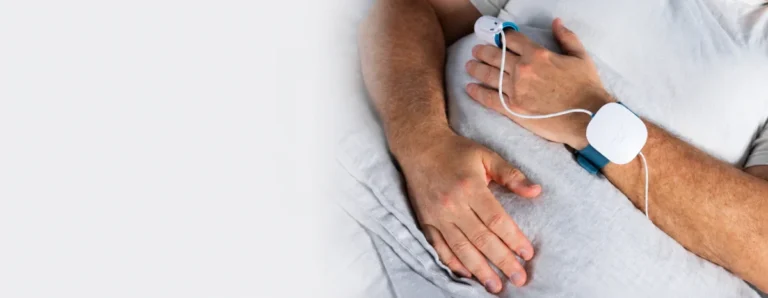
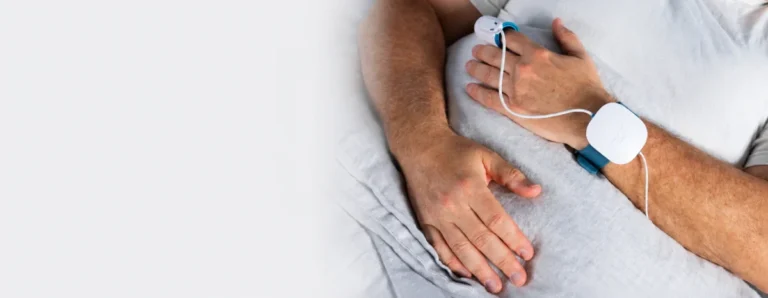
However, for those with underlying disorders, these changes are merely the starting point. When lifestyle modifications fail, clinicians may turn to diagnostic tools, such as in-home sleep studies or testing at an AASM-accredited sleep center. For conditions like sleep apnea, therapies such as CPAP (Continuous Positive Airway Pressure) can be life-changing, significantly reducing the risk of stroke and cardiac events.
Conclusion: A Call to Action
The health of our future depends on the quality of our rest. By breaking the silence and moving sleep to the forefront of our health discussions, we can address the root causes of some of the most pressing chronic health issues of our time.
The next time you sit in your doctor’s office, remember that you are the most important advocate for your own well-being. A simple, honest statement—"My sleep doesn’t feel right"—could be the catalyst for a transformation in your energy, mood, and long-term vitality. Sleep is, quite literally, good medicine. It is time we started treating it that way.