











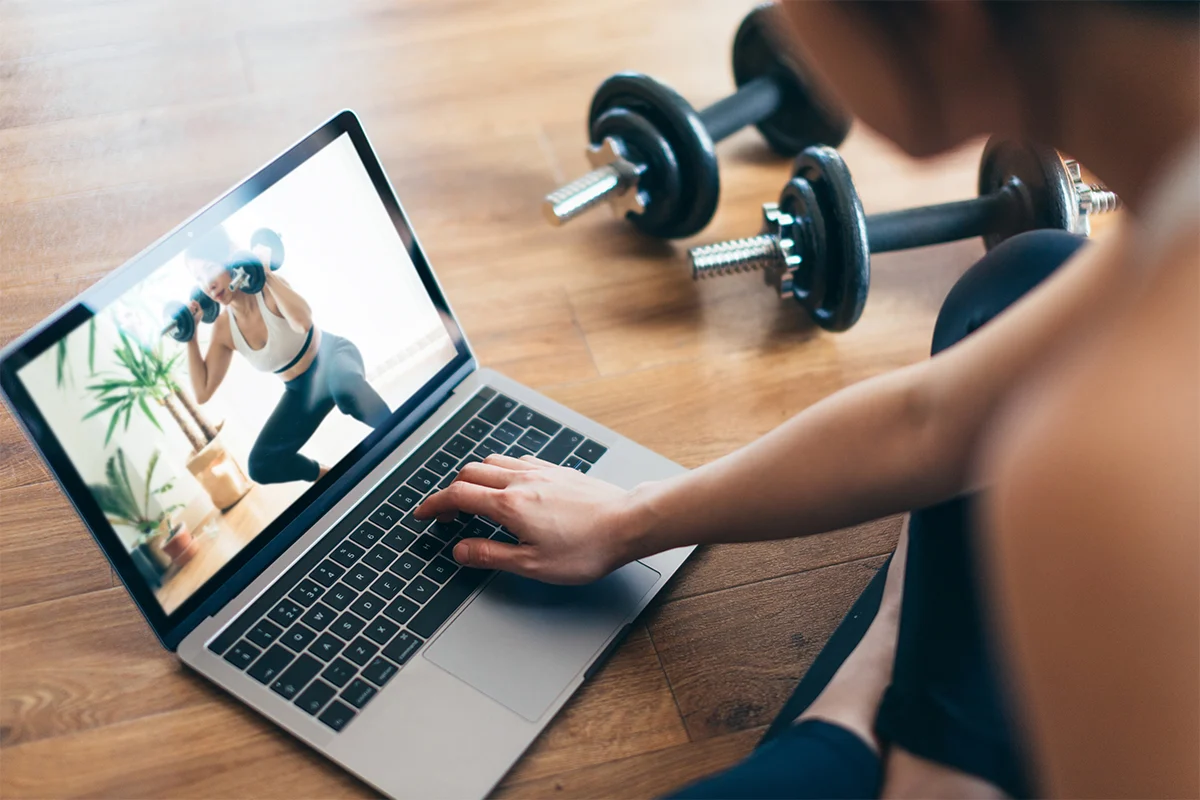
The global fitness industry has undergone a seismic shift that transcends the binary choice of “brick-and-mortar” versus “digital.” As we move further into the mid-2020s, the traditional gym membership is no longer the sole anchor of a person’s wellness journey. Instead, a complex, interconnected ecosystem has emerged, where consumers seamlessly oscillate between high-intensity boutique classes, home-based digital streaming, personal training apps, and outdoor recreational activities. This "hybrid fitness" model, now the standard for the modern consumer, represents a profound change in how we define physical health, community, and personal autonomy.
Main Facts: The New Fitness Architecture
The transition toward hybridity is not merely a temporary reaction to past disruptions but a fundamental realignment of consumer expectations. According to the latest data, the modern fitness consumer operates on a “convenience-first” philosophy. This means that an individual’s weekly routine might include a Monday morning strength session at a local commercial gym, a Tuesday lunch-break yoga flow via a mobile app, a Thursday evening virtual cycle class, and a Saturday trail run.
The primary drivers of this movement are personalization and adaptability. Consumers now demand the ability to curate their wellness routines around the fluctuating demands of professional life, frequent travel, and family obligations. The gym is no longer just a place to exercise; it is one node in a larger, multifaceted network of wellness services.
Industry experts identify three core pillars of this hybrid model:
- Digital Integration: The seamless use of wearable technology and streaming platforms to provide real-time performance feedback.
- Facility Fluidity: The movement away from "all-or-nothing" memberships toward flexible, multi-access models.
- Holistic Personalization: The integration of fitness with broader lifestyle goals, including nutrition tracking and recovery metrics.
Chronology: The Evolution of the Hybrid Model
The trajectory of the fitness industry over the last decade has been a study in rapid adaptation.
- 2018–2019: The Pre-Digital Peak. The industry was defined by high-growth boutique studios and traditional big-box gym chains. Digital fitness was a fringe offering, often seen as a secondary, inferior alternative.
- 2020–2022: The Forced Pivot. The global health crisis served as a catalyst for a digital explosion. With physical doors closed, technology became the primary conduit for movement. This period normalized the home-workout experience for millions of new users.
- 2023–2024: The Great Rebalancing. As facilities reopened, the industry braced for a return to normalcy. However, consumer behavior did not revert. Instead, users retained their digital subscriptions while returning to in-person spaces, creating the "hybrid" expectation.
- 2025–2026: Consolidation and Maturation. Current industry reports, such as the Global fitness consumer report: Hybrid participation trends and member preferences (IHRSA, 2025), highlight that the hybrid model has reached a state of maturity. Organizations are now focusing on integrating these disparate experiences into a unified, frictionless member journey.
Supporting Data: The Quantitative Shift
The shift toward hybrid fitness is supported by empirical data that highlights a permanent change in consumer behavior. The Worldwide survey of fitness trends for 2025 (Thompson, 2025) underscores that "hybrid models" now rank among the top priorities for gym operators and technology developers alike.
Key Data Points:
- Member Retention: Facilities that offer a "digital-plus-physical" membership option report a 22% higher retention rate compared to those strictly limited to on-site access.
- Device Integration: Over 65% of active fitness participants now utilize wearable devices that sync directly with both their gym’s equipment and their home-based fitness applications.
- Economic Impact: The subscription economy in fitness has transitioned from a single-revenue stream (monthly dues) to a tiered ecosystem where consumers pay for multiple, smaller-scale digital services, increasing the total share of wallet spent on wellness.
The data suggests that the consumer is no longer looking for a "gym" but for a "wellness partner." This partner must be available 24/7, across multiple devices, and in multiple physical locations.
Official Responses and Industry Perspectives
Industry leaders have responded to these trends by restructuring their business models to avoid obsolescence. The sentiment among stakeholders is clear: the siloed business model is dead.
"The gym of the future is not a building; it is a service platform," noted a lead researcher in the 2025 IHRSA report. "Operators who view digital fitness as a competitor are failing to see the reality of the modern consumer. Digital is the bridge that keeps the member connected to the brand even when they are thousands of miles away from the club."
Manufacturers of gym equipment are also pivoting. We are seeing a new wave of "smart equipment" designed to mirror the in-gym experience at home. Large-scale fitness chains have begun acquiring digital content platforms, attempting to create a "walled garden" where the member is served by the same brand whether they are lifting weights in a high-performance center or stretching in their living room.
Personal trainers, too, have evolved. The modern trainer is now a "hybrid coach," managing a roster of in-person clients while simultaneously overseeing digital training programs for remote subscribers. This allows trainers to scale their income and reach, transforming the profession from a time-for-money model to a value-for-results model.
Implications: What Lies Ahead?
The implications of this shift are profound, affecting everything from urban planning to public health policy.
1. The Real Estate Conundrum
As members demand more flexibility, the footprint of traditional fitness clubs is changing. We are seeing a decline in massive, equipment-heavy facilities in favor of "express" clubs and high-end recovery centers. The focus is shifting toward community spaces and specialized training areas that cannot be replicated in a home environment.
2. The Tech-Wellness Gap
While the hybrid model offers unprecedented convenience, it also threatens to widen the gap between those who can afford the latest wearable tech and those who cannot. As fitness becomes increasingly digitized, stakeholders must address the digital divide to ensure that wellness remains accessible to all demographics, not just the tech-savvy elite.
3. Data Privacy and Health
With the integration of apps, wearables, and gym equipment, the amount of biometric data being collected is staggering. The future of the industry will be heavily dictated by how these companies manage data security. Consumers will soon demand more transparency regarding how their performance data is used, and companies that prioritize privacy will emerge as the market leaders.
4. Psychological Impact
The hybrid model offers a psychological benefit: it removes the "all-or-nothing" guilt that often causes people to quit exercise programs. If a person misses a session at the gym due to a busy workday, the ability to squeeze in a 15-minute high-intensity interval training (HIIT) session via an app provides a psychological "win." This sense of progress, regardless of the venue, is a major factor in sustaining long-term behavioral change.
Conclusion
The evolution toward a hybrid fitness lifestyle is the natural maturation of a market that has finally recognized the complexities of the modern human experience. We are no longer living in an era where health is pursued only within the walls of a facility. Instead, fitness has become a fluid, mobile, and deeply personalized part of daily life.
As we look toward the remainder of the decade, the winners in this space will be the companies that provide the most seamless transitions between the physical and the digital. The future of wellness is not about choosing between the screen and the gym floor; it is about leveraging the unique benefits of both to create a healthier, more resilient, and more consistent global population. The "hybrid" label, while currently a buzzword, will eventually disappear—simply because the integration will be so complete that it will become the only way we know how to move.
References
- International Health, Racquet & Sportsclub Association (IHRSA). (2025). Global fitness consumer report: Hybrid participation trends and member preferences. Boston, MA: IHRSA.
- Thompson, W. R. (2025). Worldwide survey of fitness trends for 2025. ACSM’s Health & Fitness Journal, 29(1), 12–24.
- Fitness Journal – 2026, Issue 7. (2026). The Integration of Technology and Physicality in Modern Wellness.