Introduction: A Hidden Environmental Crisis
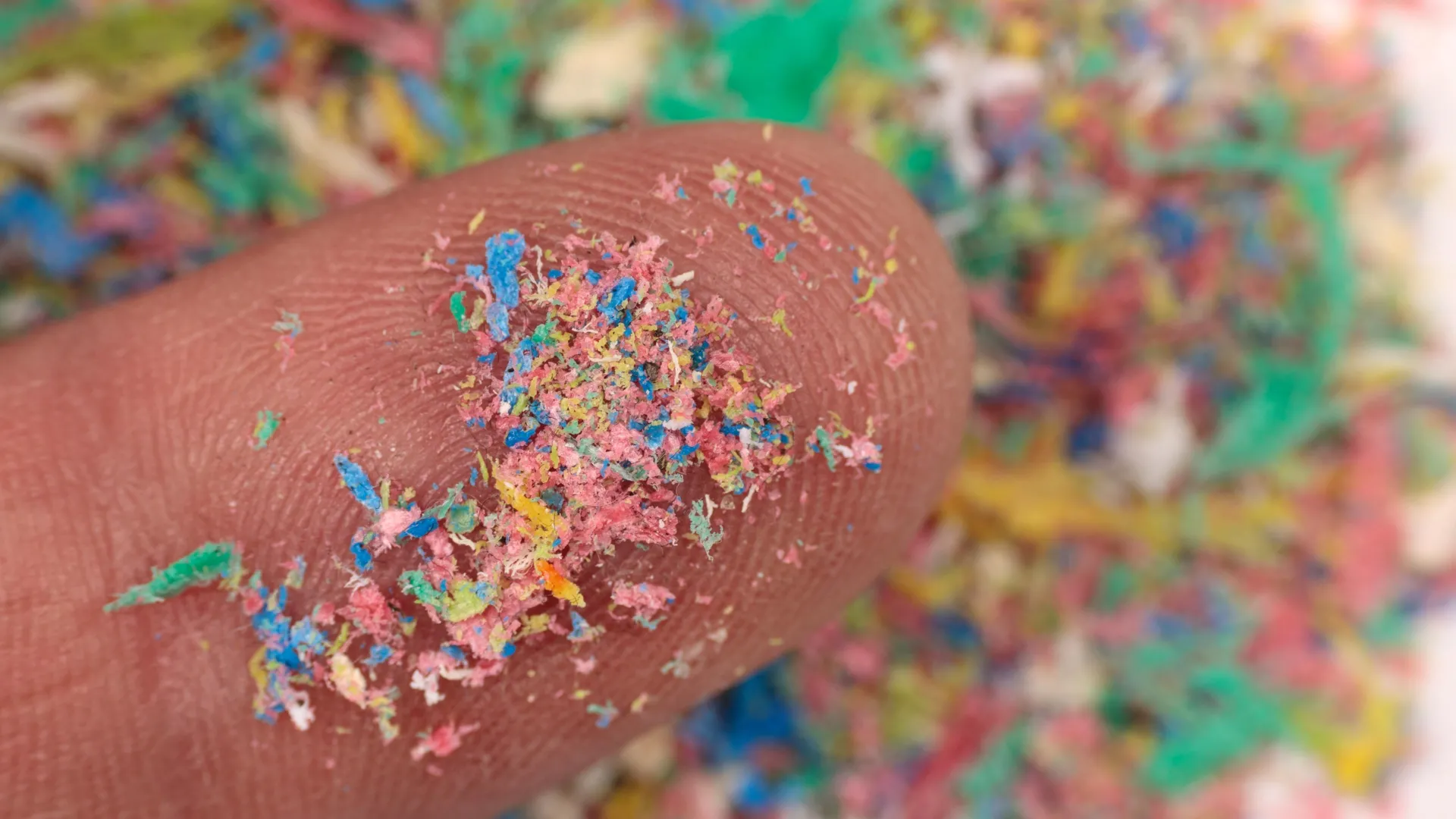
In an era where micro- and nanoplastics have permeated every corner of the global ecosystem—from the deepest ocean trenches to the remote peaks of the Himalayas—the human body has increasingly become a repository for these synthetic invaders. Nanoplastics, defined as particles smaller than one micrometer, are particularly insidious due to their ability to cross biological barriers, infiltrating the bloodstream, the kidneys, and even the blood-brain barrier.
Amidst this growing public health concern, a groundbreaking discovery has emerged from an unlikely source: the traditional Korean fermented staple, kimchi. Researchers at the World Institute of Kimchi (WiKim), under the jurisdiction of the Ministry of Science and ICT, have unveiled evidence that a specific strain of lactic acid bacteria, Leuconostoc mesenteroides CBA3656, may act as a biological "magnet" for nanoplastics, facilitating their safe removal from the human body.
The Anatomy of the Threat: Understanding Nanoplastics
To understand the significance of the WiKim research, one must first grasp the pervasive nature of nanoplastics. Unlike microplastics, which are visible to the naked eye or under basic microscopy, nanoplastics are ultrafine particles—often one-thousandth of a millimeter in size—resulting from the degradation of larger plastic waste.
The Path of Infiltration
These particles enter the human biological system primarily through the consumption of contaminated water, seafood, and agricultural products. Once ingested, their minuscule size allows them to bypass traditional filtration mechanisms in the digestive tract. Medical literature has long expressed concern that these particles do not simply pass through; they exhibit a tendency to accumulate in vital organs. The potential for chronic inflammation, metabolic disruption, and long-term toxicity has positioned nanoplastics as a critical subject of modern toxicology. Despite this, until now, biological strategies to mitigate their accumulation in the gastrointestinal tract have remained largely theoretical or in the very early stages of laboratory exploration.
The Research Chronology: From Isolation to Verification
The journey toward this discovery was methodical, spanning rigorous laboratory testing and complex animal modeling. The research team, led by Drs. Se Hee Lee and Tae Woong Whon, embarked on a project to determine whether the unique microbial diversity found in fermented foods could be leveraged as a defensive mechanism against synthetic environmental pollutants.
Phase I: Laboratory Adsorption Efficiency
The initial phase involved testing various strains of lactic acid bacteria isolated from kimchi against polystyrene nanoplastics (PS-NPs). The team identified Leuconostoc mesenteroides CBA3656 as a standout candidate. Under standard laboratory conditions, the strain demonstrated an 87% adsorption efficiency. This was initially compared against Latilactobacillus sakei CBA3608, a well-regarded reference strain, which posted an 85% efficiency.
Phase II: The Intestinal Simulation
The true test of any probiotic is not its performance in a petri dish, but its survival and efficacy in the harsh, acidic, and dynamic environment of the human gut. The researchers simulated these conditions, and the results were transformative. While the reference strain, L. sakei CBA3608, saw its adsorption efficiency plummet to a mere 3% under simulated intestinal conditions, the kimchi-derived L. mesenteroides CBA3656 maintained a robust 57% adsorption rate. This stability suggested that the CBA3656 strain possesses specific structural properties that allow it to remain active and functional in the presence of digestive enzymes and bile salts.
Phase III: The Germ-Free Mouse Model
To confirm these findings in a living organism, the team utilized a germ-free mouse model. By comparing mice administered the CBA3656 strain against a control group that received no probiotics, the researchers tracked the excretion of nanoplastics. The results were statistically significant: both male and female mice in the experimental group exhibited more than a twofold increase in the concentration of nanoplastics detected in their feces. This confirmed the hypothesis that the bacteria were binding to the plastic particles, effectively "escorting" them out of the digestive system before they could be absorbed into the systemic circulation.
Supporting Data: Why Kimchi Bacteria?
The efficacy of L. mesenteroides CBA3656 is rooted in the complex microbial ecosystem of kimchi. Unlike many probiotics that are engineered in sterile laboratory environments, the bacteria found in traditional fermented foods have evolved to survive in highly competitive, acidic, and nutrient-variable environments.
The study provides compelling data points that differentiate this discovery from previous environmental health research:
- Adsorption Stability: The 54% performance gap between the reference strain and the CBA3656 strain under simulated gut conditions marks a major shift in how researchers evaluate potential probiotic therapeutics.
- Excretion Enhancement: The doubling of plastic excretion in the mouse models provides a tangible metric for potential human application.
- Non-Invasive Strategy: Unlike pharmacological interventions that may carry side effects, utilizing food-derived probiotics represents a "green" biological approach to internal detoxification.
Official Responses and Expert Perspectives
The announcement has been met with significant enthusiasm from both the scientific community and public health officials.
Dr. Se Hee Lee’s Assessment
Dr. Se Hee Lee, the lead researcher of the study, emphasized the broader implications of the findings. "Plastic pollution is increasingly recognized not only as an environmental issue but also as a public health concern," she stated. "Our findings suggest that microorganisms derived from traditional fermented foods could represent a new biological approach to address this emerging challenge. We are not just looking at a bacterium; we are looking at a potential systemic defense mechanism."
The Strategic Vision of WiKim
The World Institute of Kimchi, under the leadership of President Hae Choon Chang, has committed to further expanding the scientific investigation of kimchi microbial resources. The institute views this as a dual victory: validating the historical health benefits of Korean fermented foods while providing a modern, science-backed solution to a 21st-century environmental crisis.
Broader Implications: The Future of Probiotic Research
The discovery that a common food-derived bacterium can bind to synthetic pollutants opens several doors for future research and industrial application.
1. Functional Foods and Preventative Health
Could the integration of specific probiotic strains into daily diets serve as a prophylactic measure against the inevitable ingestion of nanoplastics? The research suggests a pathway toward "functional foods" designed to bolster the body’s resilience against environmental stressors.
2. Environmental Toxicology
This study shifts the paradigm of environmental toxicology. Rather than focusing solely on cleaning up the external environment—an gargantuan task that has proven difficult to scale—this approach acknowledges the reality of current contamination and focuses on mitigating the damage at the biological level.
3. Future Clinical Trials
While the germ-free mouse model provides a strong foundation, the transition to human clinical trials will be the next logical step. Researchers will need to determine the optimal dosage, the duration of supplementation required for meaningful impact, and the long-term safety profile of regular consumption of concentrated L. mesenteroides CBA3656.
4. Beyond Nanoplastics
Could this "adsorption" mechanism be applied to other environmental pollutants? The ability of lactic acid bacteria to bind to harmful substances suggests that there may be a untapped potential in using microbial resources to neutralize heavy metals, endocrine disruptors, and other persistent organic pollutants.
Conclusion: A Traditional Solution for a Modern Problem
The work conducted by the World Institute of Kimchi serves as a poignant reminder that traditional knowledge and modern biotechnology are not mutually exclusive. As we grapple with the consequences of the "Plastic Age," the answer to our health concerns may lie within the very foods that have supported human well-being for centuries.
By proving that Leuconostoc mesenteroides CBA3656 can effectively bind and assist in the excretion of nanoplastics, the WiKim team has provided a glimmer of hope in a field dominated by gloomy environmental statistics. As the research continues to evolve, the focus will undoubtedly shift toward translating these findings into real-world applications—potentially transforming our understanding of nutrition, toxicology, and the role of the microbiome in the face of an increasingly polluted world.
For now, the study stands as a beacon of interdisciplinary innovation, suggesting that the path toward a cleaner, healthier future might just begin with a spoonful of kimchi.