







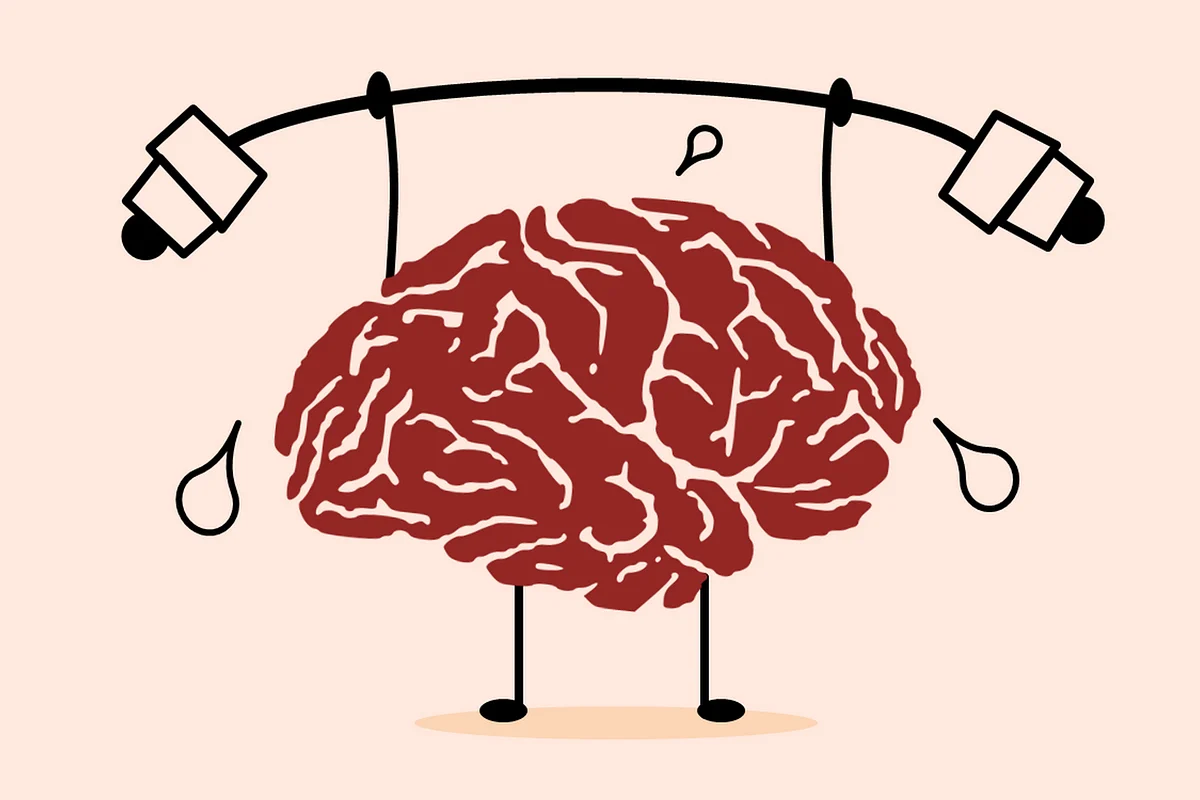
When we lace up our sneakers or step onto a yoga mat, the primary motivation is often physical: shedding a few pounds, toning muscles, or improving cardiovascular stamina. However, a growing body of neuroscientific research suggests that the most profound transformation occurring during a workout isn’t happening in the biceps or the heart—it is taking place above the shoulders.
In an era defined by cognitive overload and sedentary desk jobs, physical activity has emerged as the most potent, non-pharmacological intervention for maintaining brain health. From sharpening focus and stabilizing mood to fortifying the brain against the ravages of aging, the connection between movement and mind is absolute.
Main Facts: The Neurobiological Connection
The relationship between physical exertion and mental acuity is not merely anecdotal; it is rooted in complex biological mechanisms. When we exercise, we trigger a cascade of physiological events that optimize the brain’s internal environment.
The Oxygenation Effect
At the most basic level, physical activity is a circulatory booster. As heart rate increases, blood flow to the brain intensifies, delivering an influx of oxygen and glucose—the brain’s primary fuel sources. This surge in circulation clears out metabolic waste and ensures that neurons operate at peak efficiency.
BDNF: The Brain’s Fertilizer
Perhaps the most critical discovery in recent years is the role of Brain-Derived Neurotrophic Factor (BDNF). Often described by neuroscientists as "fertilizer for the brain," BDNF is a protein that stimulates neurogenesis—the birth of new nerve cells—in the hippocampus, the region of the brain responsible for learning and memory. By promoting the growth of new connections and strengthening existing neural pathways, BDNF allows the brain to remain plastic and adaptable, regardless of chronological age.
Chronology: The Evolution of Exercise Neuroscience
The understanding of exercise as a cognitive tool has undergone a significant shift over the last half-century.
- The Mid-20th Century: Scientific discourse primarily viewed exercise as a tool for physical rehabilitation and cardiac health. The "mind-body" connection was often relegated to the realm of philosophy rather than clinical neurology.
- The 1990s (The BDNF Breakthrough): Researchers began to isolate the specific proteins released during muscle contraction. The identification of BDNF transformed the field, providing a biological "why" for the long-observed "what"—that active people seemed mentally sharper.
- The 2000s and 2010s: Large-scale longitudinal studies began tracking thousands of participants over decades. These studies confirmed that regular aerobic activity was statistically correlated with a lower incidence of cognitive impairment and neurodegenerative diseases.
- The Present Day: The focus has moved from "exercise as a hobby" to "exercise as a medical prescription." Public health organizations now integrate mental health outcomes into their core exercise recommendations, moving beyond simple weight-loss metrics.
Supporting Data: The Science of Mental Performance
The empirical evidence supporting the cognitive benefits of exercise is both vast and consistent.
Executive Function and Productivity
"Executive function" refers to the high-level cognitive processes required for planning, problem-solving, and impulse control. Research consistently shows that a brief bout of aerobic exercise—even just 15 to 20 minutes—can significantly improve performance on executive function tests. This explains why many professionals find that their most creative solutions emerge during a walk; the physical movement essentially "unlocks" the prefrontal cortex, allowing for fluid thought processes that remain stuck during sedentary work.
Emotional Regulation
The chemical impact of exercise on mood is immediate. During physical activity, the brain releases endorphins, dopamine, and serotonin—neurotransmitters that act as natural mood elevators. Simultaneously, exercise acts as a physiological buffer against stress by suppressing cortisol, the body’s primary stress hormone. A study published in the Journal of Affective Disorders noted that regular, moderate exercise is as effective as certain pharmaceutical interventions for mild-to-moderate depression, providing a sustainable, side-effect-free alternative for emotional regulation.
Long-Term Protection
Perhaps the most compelling data concerns aging. Studies have shown that physically active older adults exhibit larger volumes in the hippocampus and better white-matter integrity compared to their sedentary peers. These physical changes in brain structure correlate with a reduced risk of Alzheimer’s disease and dementia. By improving insulin sensitivity and reducing systemic inflammation—both of which are known to damage brain tissue—exercise acts as a protective barrier for the aging brain.
Official Responses and Public Health Guidance
The global scientific community has formally acknowledged the brain-health benefits of movement. Organizations such as the World Health Organization (WHO) and the Centers for Disease Control and Prevention (CDC) have updated their Physical Activity Guidelines to emphasize the mental health dividends of movement.
The standard recommendation is 150 minutes of moderate-intensity aerobic activity per week. However, modern guidance highlights that these minutes do not need to be completed in one grueling session. The "accumulated movement" model suggests that the benefits are dose-dependent: every minute counts. Whether it is a brisk walk, a dance class, or even just taking the stairs, the physiological response remains consistent.
Public health experts are increasingly advocating for "active architecture" in cities and workplaces, recognizing that the sedentary nature of modern life is a direct threat to cognitive longevity.
Implications: The Future of Cognitive Health
The implications of this research are profound. If we treat exercise as a cognitive intervention rather than a weight-management strategy, we change our approach to daily routines.
Breaking the Sedentary Cycle
The "five-minute reset" has become a cornerstone of modern cognitive hygiene. Long periods of sitting lead to sluggish circulation and decreased mental alertness. By interrupting these periods with brief bouts of movement, we effectively "reboot" our mental capacity. This has major implications for corporate productivity and student performance.
Lifestyle as Medicine
We are moving toward a future where a doctor might prescribe a brisk evening walk with the same seriousness as a prescription medication. The goal is no longer just to "stay fit" in a superficial sense, but to build a resilient brain that is capable of learning, remembering, and adapting throughout the lifespan.
Personalized Movement
The beauty of this paradigm shift is that it is democratic. You do not need to be an elite athlete to reap the neurological rewards. The most effective exercise is the one you will actually do consistently. Whether it is gardening, cycling, swimming, or simply walking the dog, the brain does not distinguish between these activities—it only recognizes the systemic benefits of the increased blood flow and chemical signaling.
Conclusion: An Investment in Yourself
When you next find yourself debating whether to head to the gym or go for a run, reframe the choice. Do not think of it as "burning calories" or "getting fit." Think of it as a neuro-protective investment. You are performing maintenance on your most important organ.
Every step you take is a signal to your brain to grow, to connect, and to thrive. Your muscles will get stronger, yes, but your mind will be the true beneficiary. In a world that is constantly demanding more of our mental bandwidth, exercise is the ultimate way to ensure that our cognitive hardware stays fast, reliable, and capable for decades to come.
The next time you feel mentally "stuck," don’t stare at the screen. Step away, move your body, and let your brain do what it was evolved to do: move, adapt, and grow.