









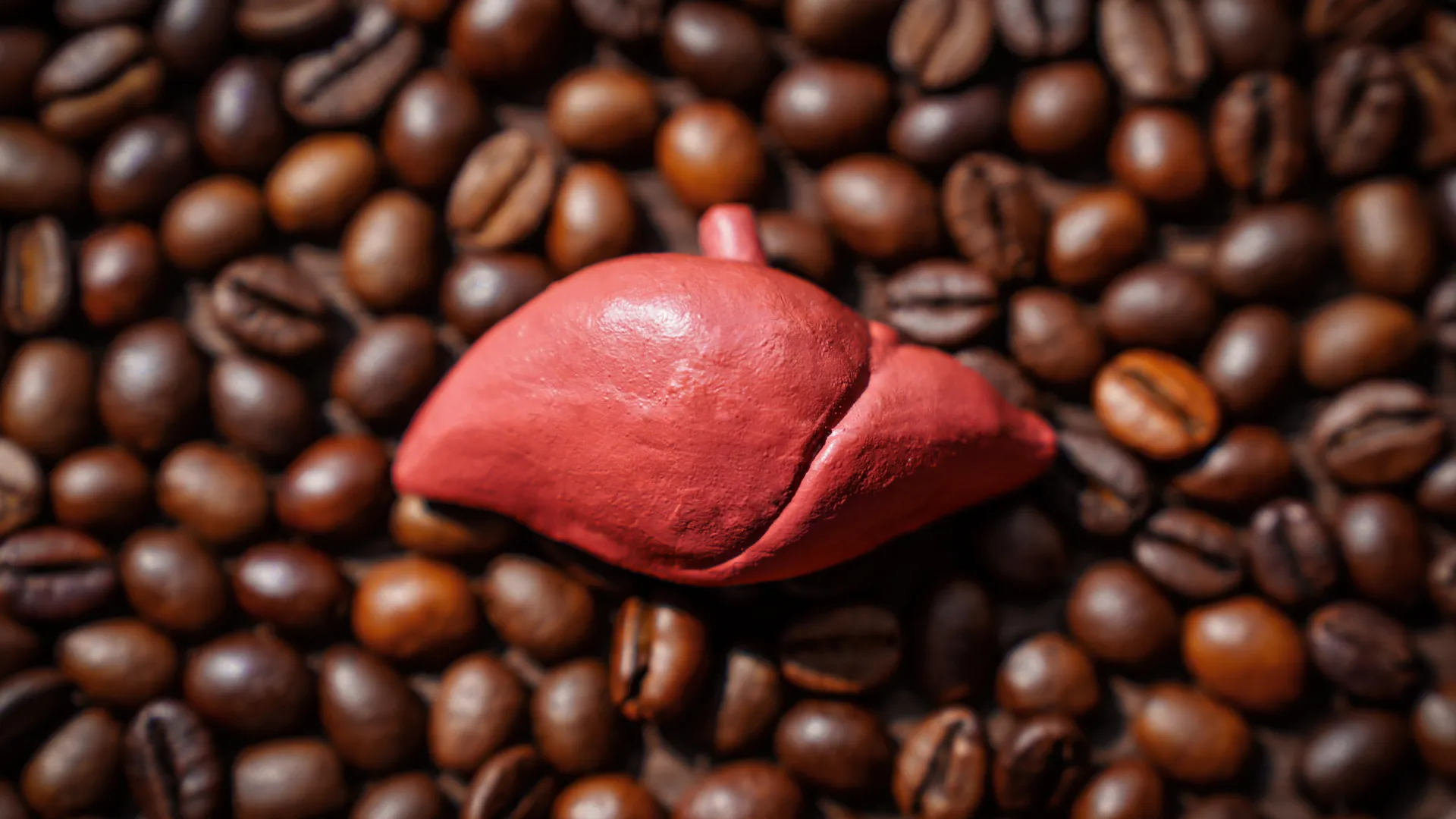
For millions of people worldwide, the morning ritual begins with the rich aroma of freshly brewed coffee. While long celebrated for its ability to provide a morning cognitive jolt, the humble coffee bean is increasingly becoming the subject of serious clinical scrutiny. A landmark study conducted by researchers at Cedars-Sinai Health Sciences University has provided the most compelling evidence to date that coffee may serve as a powerful protective agent for the human liver, potentially lowering the risks of cirrhosis, cancer, and mortality associated with liver disease.
Published in the journal Clinical Gastroenterology and Hepatology, this extensive research bridges the gap between anecdotal observation and biological reality, offering a sophisticated look at how coffee influences our internal chemistry.
The Main Facts: A Decade of Data
The study, which tracked nearly 355,000 individuals over a median period of 13 years, offers a comprehensive look at the relationship between caffeine consumption and hepatic health. Researchers utilized data from the UK Biobank, focusing on participants who, at the outset of the study, showed no prior history of cirrhosis or liver malignancy.
By integrating medical records with advanced diagnostic tools—specifically liver MRI scans and detailed blood protein analyses—the researchers were able to quantify the impact of coffee consumption on liver function. The findings were stark: coffee drinkers consistently exhibited superior liver health outcomes compared to their non-drinking counterparts.
Among the most significant findings was a dose-dependent reduction in disease risk. Participants who consumed five or more cups of coffee per day saw a 32% lower risk of developing cirrhosis, a 47% lower risk of liver cancer, and a 42% lower risk of dying from liver-related diseases. Even moderate consumption, defined as one to four cups daily, showed clear, positive correlations with improved liver biomarkers.
Chronology of the Research
The journey to these findings was not an overnight discovery. For years, the scientific community had noted that coffee drinkers seemed to have "healthier" livers, but earlier studies were often hampered by smaller sample sizes or narrow scopes that looked at only one facet of the liver’s complex physiological landscape.
- The Observational Phase: Researchers began by isolating a cohort of 354,957 individuals. Over more than a decade, they monitored health outcomes, tracking the development of severe liver conditions.
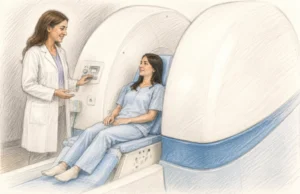
- The Diagnostic Integration: Unlike previous studies, this team did not rely solely on self-reported health outcomes. They incorporated longitudinal medical data with physical scans. By utilizing MRI technology, the team was able to visualize the internal state of the liver, checking for fat accumulation, iron buildup, and signs of fibrosis or inflammation.
- Molecular Analysis: Simultaneously, the team conducted blood protein analyses. By measuring levels of specific proteins associated with both healthy liver function and the indicators of scarring (fibrosis) and inflammation, they were able to map the molecular signatures of coffee consumption.
- Synthesis and Publication: After 13 years of tracking and extensive data modeling, the researchers compiled their results, revealing that the "coffee-liver" connection was rooted in verifiable biological pathways.
Supporting Data: Peering Beneath the Surface
The strength of the Cedars-Sinai study lies in its multi-layered approach to evidence. The researchers did not just look at disease rates; they looked at the mechanics of the organ itself.
The MRI Evidence
The MRI scans provided visual confirmation of the study’s thesis. Participants with higher coffee intake showed a marked decrease in:
- Liver Fat: Excessive fat storage in the liver is a precursor to metabolic dysfunction.
- Liver Iron: High iron content can contribute to oxidative stress.
- Fibrosis and Inflammation: The physical scarring and swelling that lead to chronic liver disease were noticeably reduced in frequent coffee drinkers.
The Molecular Signature
In the blood, the team identified that coffee consumption correlates with a favorable protein profile. They observed higher concentrations of proteins that facilitate healthy metabolic function and lower concentrations of those linked to systemic inflammation and tissue degradation.
The Decaf Factor
One of the most intriguing aspects of the study was the finding that both caffeinated and decaffeinated coffee yielded similar results. This discovery is pivotal because it shifts the focus away from caffeine as the "magic bullet." Instead, it suggests that the protective benefits are likely derived from the vast array of naturally occurring phytochemicals and antioxidants inherent in the coffee bean. This opens a new frontier for research into compounds that may influence liver inflammation and scarring independently of the nervous system’s response to caffeine.
Official Responses and Clinical Perspectives
The research team at Cedars-Sinai has been careful to frame these findings with nuance, ensuring that the public does not interpret the study as a mandate to consume excessive amounts of caffeine.
Dr. Hyunseok Kim, assistant professor of Medicine and the study’s corresponding author, emphasized the necessity of their methodology. "Previous studies suggested that coffee might benefit the liver, but most were smaller or looked at only one piece of the puzzle," Dr. Kim noted. "By following hundreds of thousands of people for more than a decade, we have been able to explain the biological mechanisms behind this association."
Dr. Ju Dong Yang, the study’s senior author and medical director of the Liver Cancer Program, offered a pragmatic warning. "Our findings support moderate coffee consumption for people who already enjoy and tolerate it well," Dr. Yang stated. However, he cautioned against viewing coffee as a panacea. "We would not recommend that someone begin drinking coffee solely for liver protection based on this study alone. Prevention should continue to focus on maintaining a healthy weight, limiting alcohol, exercising regularly, and managing blood sugar, blood pressure, and cholesterol."
Dr. Shelly Lu, director of the Karsh Division of Gastroenterology and Hepatology, echoed this sentiment, highlighting the path forward. "The next step in our research is to identify the specific compounds in coffee that are responsible for these liver-protective associations," she said. By highlighting these specific molecular targets, the team hopes to pave the way for future therapies that could harness the power of these compounds in a concentrated, clinical form.
Implications: The Future of Liver Health
The implications of this study are profound, both for clinical practice and for the average consumer.
A Holistic Approach to Wellness
The study reinforces the reality that diet and lifestyle are primary drivers of liver health. The liver is the body’s primary filtration system, and its health is inextricably linked to the substances we ingest. While coffee may provide a protective buffer, it cannot undo the damage caused by high alcohol intake, obesity, or poorly managed metabolic conditions.
Caveats for the Consumer
It is vital to recognize that coffee is not suitable for everyone. The researchers highlighted that individuals with specific health conditions—including uncontrolled hypertension, heart rhythm disorders, severe insomnia, or anxiety—must exercise caution. For these individuals, the cardiovascular or neurological impacts of caffeine may outweigh the potential hepatic benefits. Before making significant changes to daily coffee consumption, individuals should consult with their healthcare providers to determine if it is medically appropriate.
Future Research Directions
The scientific community now has a clear mandate: to isolate the exact compounds responsible for these protective effects. If researchers can identify the specific molecules that reduce liver inflammation and fibrosis, it may lead to the development of new, highly effective, non-caffeinated treatments for chronic liver diseases. This could be particularly revolutionary for patients who cannot tolerate caffeine but are at high risk for cirrhosis or liver cancer.
In conclusion, while the aroma of your morning cup of coffee may be doing more than just waking you up, it is not a substitute for a healthy lifestyle. The Cedars-Sinai study offers a fascinating glimpse into the complex interaction between diet and human biology, suggesting that the path to a healthier liver might be as simple as the contents of your favorite mug. As the research continues, we look forward to a deeper understanding of the compounds that make coffee a remarkable, if still mysterious, ally in our ongoing quest for longevity.