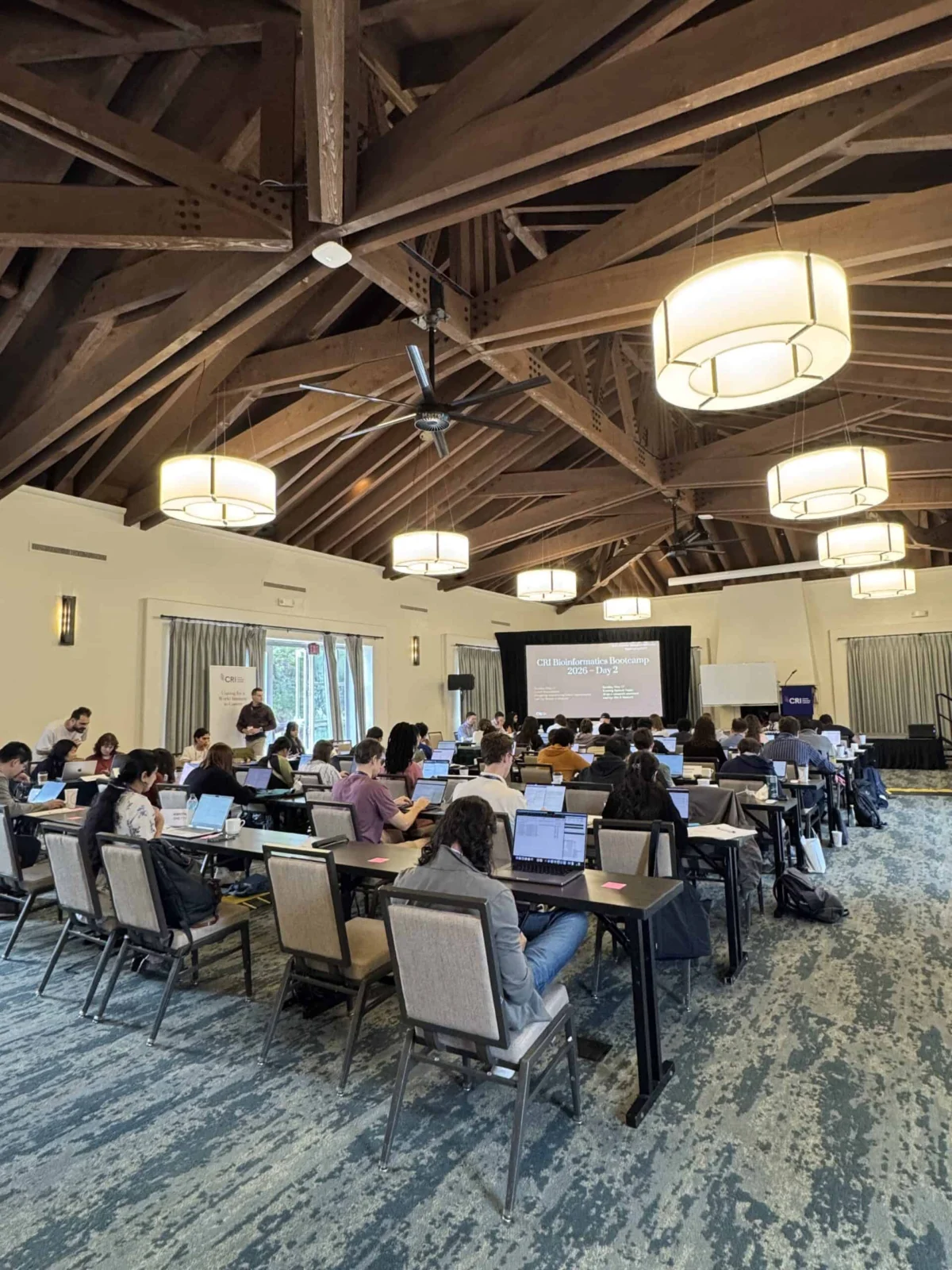
In an era where the landscape of oncology is being fundamentally reshaped by the marriage of biology and big data, the ability to interpret complex genetic information has become as critical as the laboratory bench itself. From May 16–22, 2026, the Cancer Research Institute (CRI) hosted its third annual Bioinformatics Bootcamp at the La Cantera Resort in San Antonio, Texas. This intensive, week-long immersion brought together more than 50 fellows and students, all united by a singular objective: to master the computational tools necessary to navigate the next generation of cancer immunotherapy research.
As the scientific community shifts toward data-driven discovery, this program stands as a beacon of interdisciplinary training, designed to dismantle the barriers between traditional "wet lab" experimentation and "dry lab" computational analysis.
The Evolution of Oncology: A Chronology of the Bootcamp
The CRI Bioinformatics Bootcamp was established three years ago as a direct response to the widening gap between experimental output and analytical capacity. At its inception, the program functioned as a foundational primer, focusing on the basics of programming and standard computational workflows.
However, the 2026 iteration marked a significant pivot. Recognizing that the field of bioinformatics is evolving at an exponential pace, the curriculum has matured alongside the industry. This year, the program transitioned from a purely fundamental focus to a high-level, practical application model. By integrating five leading bioinformatics experts—four of whom have been with the program since its inception—the curriculum was refined to reflect the most current industry standards, including advanced next-generation sequencing analysis and complex single-cell technology integration.
Throughout the week, participants engaged in a rigorous schedule of workshops, lunch-hour roundtables, and evening seminars. The progression from basic data literacy to advanced Python coding techniques and artificial intelligence (AI) integration illustrated the program’s commitment to staying ahead of the technological curve.
Bridging the Wet-Dry Lab Divide: Supporting Data
The urgency of this training is underscored by the sheer volume of data currently generated in clinical settings. Modern immunology research produces multimodal, high-dimensional datasets that were virtually unimaginable a decade ago.
Core Curriculum Highlights:
- Next-Generation Sequencing (NGS): Deep dives into genomic and transcriptomic sequencing.
- Single-Cell Technologies: Analysis of individual cellular behavior to identify unique tumor microenvironments.
- Data Visualization: Techniques to translate complex datasets into actionable biological insights.
- Computational Workflows: Standardizing research methods to ensure reproducibility—a major hurdle in modern science.
The program’s success is rooted in its low student-to-faculty ratio. Supported by five expert faculty members and five dedicated teaching assistants (TAs) who specialize in computational biology, participants were afforded one-on-one mentorship. This allowed fellows to bring their own unique, real-world datasets to the bootcamp, transforming abstract concepts into tangible research breakthroughs.
Expert Perspectives: The Human Element of Big Data
The transition to a data-centric model of medicine is not merely a technical challenge; it is a cultural shift in how scientists approach discovery.
The Faculty View
Dr. Katie Campbell, a core faculty member, highlighted the delicate balance between technical speed and scientific rigor. "When we started the bioinformatics bootcamp just three years ago, we really focused on the basics and the fundamentals of programming," she noted. "With the rapid pace of technology, there’s a rapid pace of the tools available to analyze. We have to think about how we accelerate not just the discovery but the analysis, the everyday, without taking away the necessary thought processes that have to be intrinsic to the fellows as they take on this research."
The Teaching Assistant Perspective
The TAs, who act as the frontline instructors, emphasized that the bootcamp is designed to solve the "multimodal data" problem.
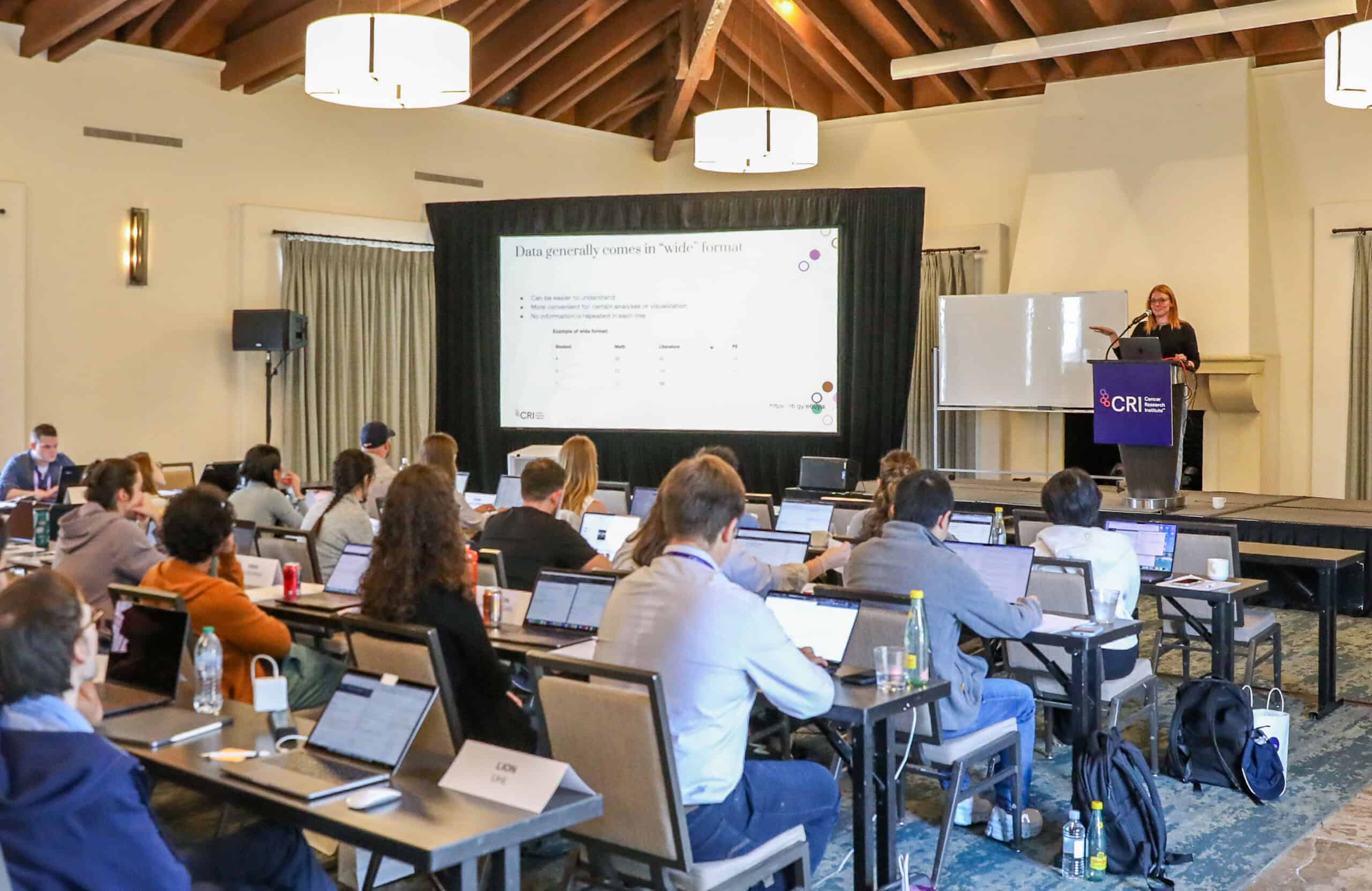
"The Bootcamp is important because it’s really bridging the gap across two fields of the wet lab and the dry lab," said Christie Chang, a teaching assistant at the event. "As technologies are evolving, we’re generating large data sets, and we need computational tools to be able to understand more complex pictures… We’re only learning about cancer because we were able to extend lifespans, and we want to keep extending them. Technology advances so that we can live longer."
Echoing this sentiment, Dr. Maryam Pourmaleki noted the shift in requirements for the modern researcher: "In today’s time, a lot of science is moving towards big data. Scientists who have phenomenal training in wet lab now need to analyze bigger multimodal data they’re generating, and the Bootcamp is giving those scientists the necessary tools to work with big data."
Implications for the Future of Immunotherapy
The implications of the CRI Bioinformatics Bootcamp extend far beyond the walls of the La Cantera Resort. By demystifying bioinformatics, CRI is effectively expanding the global pool of computational literacy within oncology.
A Culture of Collaboration
The bootcamp’s impact is perhaps best summarized by its focus on "zooming out." For many researchers, the day-to-day grind of laboratory work can create a tunnel-vision effect. The bootcamp encourages a collaborative environment where fellows can discuss grant planning, computational career pathways, and the ethics of AI in research.
Dr. Tara Muijlwijk, a CRI Dr. Keith Landesman Memorial Fellow, reflected on the importance of this networking: "It’s super important to zoom out from your own research. The Bootcamp is really a great way to zoom out and to think about, okay, what am I doing, why am I doing this, and also to connect with other people, which is super important in research."
Moving Beyond AI Shortcuts
A poignant observation came from Dr. Jia Yu (Jennifer) Ye, an Immunoinformatics Postdoctoral Fellow, who highlighted why formal, systematic training remains superior to passive technology usage: "It’s just such an amazing opportunity offered by CRI to really help learn all of the informatics skills more systematically, rather than just chatting with an AI engine."
This statement hits at the heart of the CRI mission: to cultivate deep, expert-level understanding rather than superficial reliance on automated tools. By ensuring that researchers understand the "how" and the "why" behind their computational results, CRI is protecting the integrity of cancer research for years to come.
Conclusion: An Investment in Cures
The 2026 CRI Bioinformatics Bootcamp serves as more than an educational seminar; it is a strategic investment in the future of cancer medicine. As the field moves toward personalized, data-informed immunotherapy, the researchers who possess both biological intuition and computational mastery will be the ones to lead the next generation of breakthroughs.
By fostering an environment of curiosity and high-level collaboration, the Cancer Research Institute is ensuring that the scientists of tomorrow are not just observers of the data revolution, but architects of it. As these 50 fellows return to their home institutions, they carry with them more than just new lines of code or statistical methods; they carry a renewed sense of confidence and a robust network of peers—both essential components in the ongoing, multi-generational battle against cancer.