










In the modern health and wellness landscape, the promise of "precision" is the new gold standard. From social media influencers touting DNA-based diet plans to high-end wellness clinics offering gut microbiome mapping, the industry is shifting away from the "one-size-fits-all" dietary guidelines of the past. Companies now claim that by analyzing a client’s genetic makeup, metabolic rate, or blood glucose responses, they can unlock a "biologically optimized" nutrition plan that promises everything from accelerated weight loss to enhanced athletic recovery.
For the fitness professional, this trend is enticing. It appears to solve the perennial coaching frustration: why two clients, following identical nutrition and training protocols, often experience vastly different results. However, as the market for personalized nutrition tests balloons into a multi-billion-dollar sector, a critical question emerges: Does the current science match the marketing claims, or are we witnessing the monetization of biological uncertainty?
Main Facts: The Anatomy of Personalized Nutrition
At its core, personalized nutrition (or "precision nutrition") is the practice of tailoring dietary interventions to an individual’s unique biological, behavioral, and lifestyle profile. While traditional public health guidelines—such as the USDA’s Dietary Guidelines for Americans—are designed for broad populations, personalized nutrition aims to account for inter-individual variability.
Commercial testing currently centers on three primary domains:
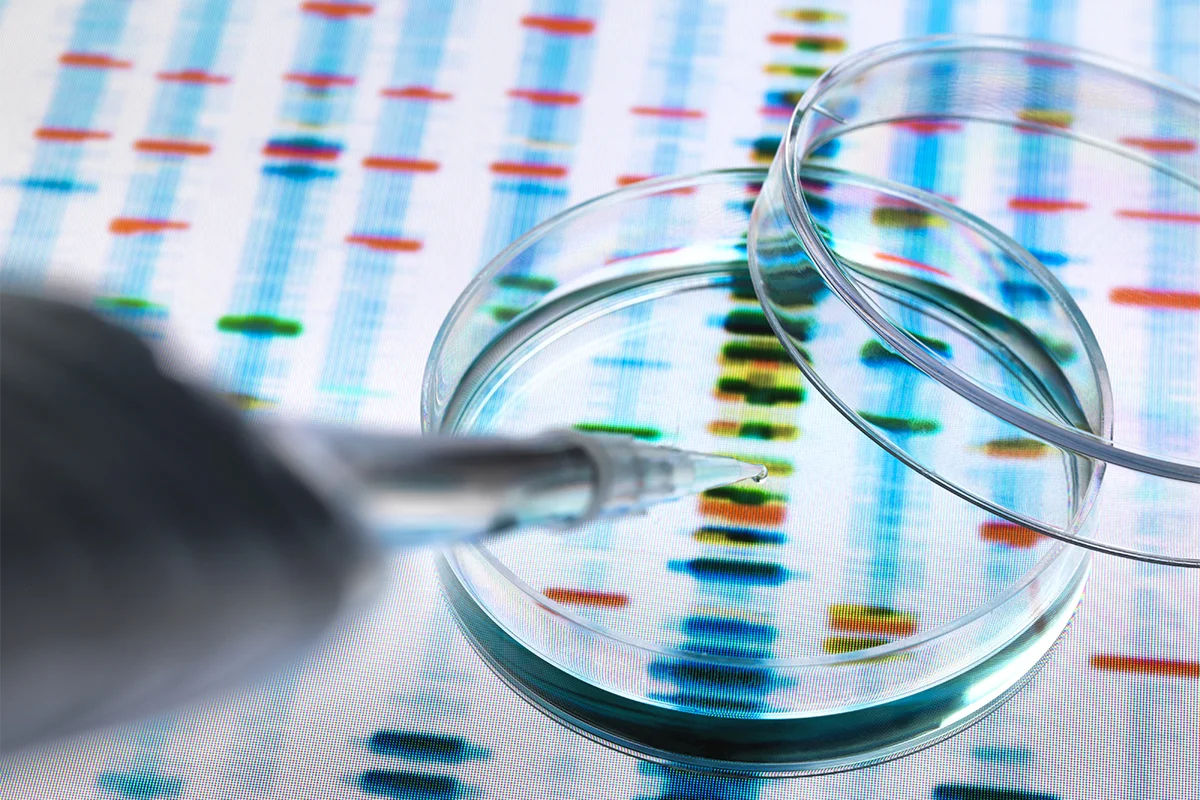
- Nutrigenomics: Analyzing DNA to identify how specific genetic variations affect the metabolism of nutrients, fats, and carbohydrates.
- Gut Microbiome Analysis: Assessing the diversity and composition of bacteria in the digestive tract to determine how an individual processes specific foods.
- Metabolic/Blood Glucose Tracking: Using continuous glucose monitors (CGMs) or blood panels to observe how a client’s blood sugar fluctuates in response to specific dietary inputs.
While these technologies are rooted in legitimate scientific concepts, the transition from a laboratory bench to a consumer-facing app often involves a significant "evidence gap."
Chronology: From Clinical Utility to Consumer Trend
The journey of precision nutrition has moved through three distinct phases over the last two decades:
- The Clinical Foundation (Early 2000s–2015): Precision medicine gained traction in clinical settings. Doctors began using genetic testing to identify rare inherited metabolic disorders (such as phenylketonuria) and using diagnostic tools to treat clinical conditions like Celiac disease or iron deficiency. In this era, testing was strictly diagnostic, performed by medical professionals, and used to manage specific diseases.
- The Data Explosion (2015–2020): With the reduction in costs for DNA sequencing and the rise of wearable technology (like CGMs), data became cheap. Tech startups began leveraging these tools to offer "lifestyle optimization" rather than just medical diagnosis. This era saw the emergence of direct-to-consumer (DTC) microbiome kits and personalized meal-planning apps.
- The Modern "Hype" Cycle (2020–Present): Personalized nutrition has entered the mainstream. Influencers and wellness brands now market these tests as essential tools for the average healthy individual. However, this has led to a disconnect: the technology has become more sophisticated and accessible, but the scientific consensus on how to apply this data to "optimize" healthy people remains in its infancy.
Supporting Data: Where Science Holds Weight vs. Where It Fails
To evaluate the utility of these tests, it is essential to distinguish between clinical diagnosis and lifestyle prediction.
The Evidence is Strong For:
- Nutrient Deficiencies: Laboratory blood work remains the gold standard for identifying deficiencies in vitamins D, B12, iron, and other micronutrients.
- Allergen/Intolerance Testing: Diagnostic testing for IgE-mediated food allergies or Celiac disease is medically robust and life-saving.
- Glucose Management: For individuals with diabetes, CGMs are transformative. Recent research suggests that for non-diabetics, these devices can be effective tools for "biofeedback," helping individuals understand how processed versus whole foods affect their energy levels.
The Evidence is Uncertain For:
- The Microbiome "Snapshot": The human gut is highly dynamic. Research, such as the 2024 studies published in Cell, indicates that the microbiome is in constant flux, responding to sleep, stress, medication, and seasonal changes. A single stool sample is merely a snapshot in time; it cannot reliably predict the "perfect diet" for an individual because that individual’s gut environment changes every day.
- Genetic Determinism: While genes play a role in metabolism, they are rarely the primary drivers of health outcomes. Studies consistently show that lifestyle factors—physical activity, sleep hygiene, fiber intake, and stress management—dwarf the impact of minor genetic variations. Marketing that suggests a "DNA-tailored" diet will overcome a sedentary lifestyle is scientifically misleading.
Official Responses: The Scientific Community’s Stance
The scientific community maintains a cautious stance. Major organizations, including the American Diabetes Association, have established rigorous standards for the use of technology like CGMs, but they caution against the over-interpretation of this data by non-medical providers.
Researchers in Nature Medicine and The BMJ have noted that while the potential for precision nutrition is immense, we are currently in a "discovery phase." The consensus is that while we can identify correlations—for example, that some people process carbohydrates differently—we lack the high-quality, long-term randomized controlled trials necessary to issue standardized, personalized dietary prescriptions for the general population.
Implications for Fitness Professionals
For the fitness professional, the rise of personalized nutrition presents a professional development challenge. Coaches are increasingly asked by clients to interpret complex genetic reports or microbiome data.
1. Maintain the Scope of Practice
It is critical to remember that interpreting medical lab results and diagnosing metabolic issues is the purview of Registered Dietitians and physicians. A fitness coach’s role is to support the implementation of healthy habits, not to function as a medical practitioner.
2. Prioritize Fundamental Principles
If a client asks about an expensive DNA test, the coach should remind them that no test can replace the "Big Four" of health:
- Dietary Quality: A diet high in fruits, vegetables, lean proteins, and whole grains.
- Consistency: Sustainable eating patterns that the client can maintain for years, not weeks.
- Physical Activity: Regular resistance and cardiovascular training.
- Recovery: Quality sleep and effective stress management.
Often, clients look for a "biological shortcut" via testing because they are struggling with adherence to these fundamentals. A coach’s most valuable contribution is not an expensive report, but the behavioral support required to make the basics work.
3. Adopt a "Curious but Skeptical" Framework
Encourage clients to be critical consumers. If a client insists on testing, suggest they take the results to a qualified healthcare provider for an objective review. Remind them that these tests are a tool for data gathering, not a "magic bullet" for performance.
The Future: A Cautiously Optimistic Outlook
Personalized nutrition is neither pure fiction nor a panacea. It is an evolving field that will likely become a critical pillar of preventive healthcare in the future. As AI models improve our ability to analyze complex interactions between the microbiome, genetics, and diet, we may eventually reach a point where truly personalized dietary plans become the norm rather than the exception.
However, for the present, the marketing has outpaced the research. The fitness industry must avoid the trap of selling "precision" at the expense of proven, foundational health habits. In the end, the most effective nutrition program is the one that is evidence-based, sustainable, and tailored to the individual’s real-world lifestyle—not just their biology.
References
- American Diabetes Association Professional Practice Committee. (2025). Standards of care in diabetes—2025. Diabetes Care.
- Berry, S. E., et al. (2023). Human postprandial responses to food and potential for precision nutrition. Nature Medicine.
- Carmody, R. N., et al. (2024). The gut microbiome and personalized nutrition: Progress, challenges and future directions. Cell.
- de Toro-Martín, J., et al. (2023). Precision nutrition: A review of personalized nutritional approaches. Nutrients.
- Livingstone, K. M., & Celis-Morales, C. (2022). Personalized nutrition approaches for the prevention of chronic disease. Proceedings of the Nutrition Society.
- Ordovas, J. M., et al. (2023). Personalised nutrition and health. BMJ.
- Suez, J., et al. (2022). The personalized microbiome in human health and disease. Cell.
- Zeevi, D., et al. (2021). Personalized nutrition by prediction of glycemic responses. Nature Reviews Gastroenterology & Hepatology.