









For a generation raised in the glow of smartphone screens, the definition of beauty has shifted back toward a trend once thought to be fading: the deep, golden tan. Despite decades of scientific consensus regarding the dangers of ultraviolet (UV) radiation, indoor tanning is experiencing a troubling resurgence, fueled by viral social media trends and a cultural preoccupation with aesthetic perfection.
Nichole Sims knows this cycle all too well. Like many of her peers, she began using tanning beds at 15, driven by the social pressure to look "bronzed and beautiful" for homecoming dances and prom. The normalization of the habit—shared by friends and reinforced by the media—made the risks seem abstract and distant. Eight years later, that normalcy was shattered by a diagnosis of melanoma. Today, Sims stands as a reluctant advocate, attempting to counteract the tide of misinformation online that brands tanning as a essential beauty routine or a mood-boosting health hack.
"I just feel like our generation doesn’t really look into a lot of risks," Sims reflects. "They just kind of live in the moment. Being young in the world we live in now, being tan and pretty—it goes together."
The Cellular Blueprint of Destruction
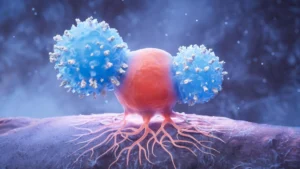
The allure of the tanning bed is not merely psychological; it is a battle happening at the microscopic level. Recent research led by Dr. Pedram Gerami at Northwestern University’s medical school has provided harrowing insights into what occurs within the skin of regular tanning bed users.
Dr. Gerami’s team analyzed skin samples from frequent users, comparing them to those of non-users to observe the behavior of melanocytes—the cells responsible for skin pigment that can mutate into life-threatening cancers. The findings were stark: tanning bed users faced nearly three times the risk of developing melanoma compared to their non-tanning counterparts.
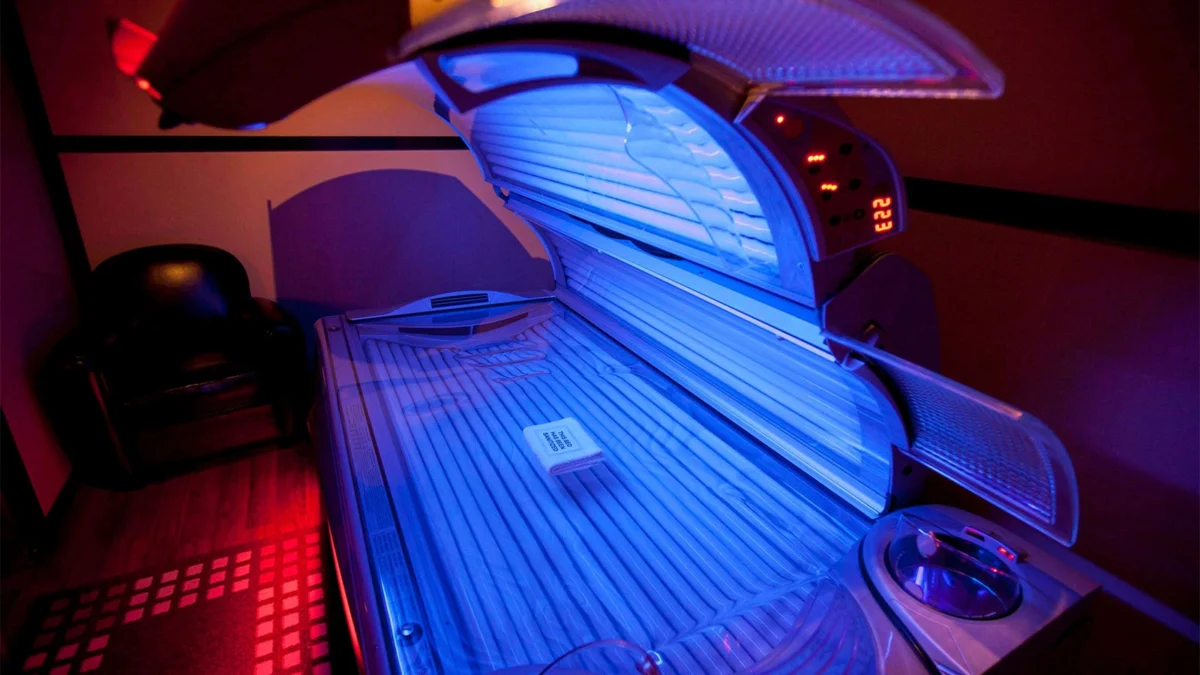
The reason lies in the intensity of the equipment. Tanning beds can emit UV light at intensities more than 10 times that of the natural sun. This bombardment forces melanocytes into a state of hyper-mutation. Dr. Gerami’s study revealed that the DNA mutation rate in these cells was more than double that of people whose only UV exposure came from the sun.
"You only need two or three mutations in the right place for it to turn into a melanoma," Dr. Gerami explains. "If you get one or two of them from tanning bed use, it primes all these cells to be ready and that much closer to the threshold of malignancy."
Chronology of a Public Health Failure
The fight against artificial tanning has been a decades-long struggle between dermatological science and the aesthetics-driven beauty industry.
- The Early 2000s: The dangers of tanning beds began to gain significant public awareness, leading to a decline in their popularity as medical warnings from the World Health Organization (WHO) escalated. The WHO eventually classified tanning devices as Class 1 carcinogens, placing them in the same risk category as tobacco and asbestos.
- 2012: California made history by becoming the first U.S. state to ban the use of tanning beds for minors, a move intended to curb the long-term cancer risk for children whose skin is most susceptible to UV damage.
- 2015: The FDA, citing mounting evidence of the severe health risks, introduced a proposed rule to ban individuals under the age of 18 from using indoor tanning equipment nationwide.
- 2025: A landmark survey by the American Academy of Dermatology (AAD) revealed that despite decades of warnings, Gen Z remains alarmingly misinformed, with over one-fifth of young adults prioritizing a tan over skin health.
- March 2026: In a move that shocked public health experts, the FDA officially withdrew the proposed 2015 rule intended to ban tanning for minors. The agency cited "concerns regarding possible unintended consequences" in a brief memorandum, a decision that critics argue effectively signals to the public that the government no longer views the practice as a legislative priority.
Data and the Reality of Risk
The statistics provided by the American Cancer Society paint a grim picture of the future. By 2026, it is projected that over 100,000 new cases of melanoma will be diagnosed in the United States, with approximately 8,500 people expected to lose their lives to the disease.
The correlation between age and risk is particularly damning. According to the AAD, utilizing tanning beds before the age of 20 increases an individual’s lifetime risk of developing melanoma by 47%. Despite these figures, social media platforms have become incubators for dangerous myths. Viral videos featuring "tanning secrets" garner millions of views, with comment sections often filled with nihilistic humor, such as, "The earth probably won’t last long anyway; I’d rather go out tan than pale."
Furthermore, misinformation has evolved. Some influencers are now actively promoting the idea that sunscreen itself is the true source of cancer, encouraging followers to forgo protection and embrace the highest UV index hours—the exact opposite of what dermatological guidelines dictate.
The Professional and Official Response
The medical community is increasingly vocal about the "coolness" factor of tanning overriding years of education. Dr. Anthony Rossi, a dermatologist at Memorial Sloan Kettering Cancer Center, admits that the allure of a tan is deeply ingrained in our culture.
"Tanning is sort of cool again, and all the education about skin cancer and skin aging is taking a backseat for the younger generation," Dr. Rossi says. He speaks from personal experience, noting that he used tanning beds in his youth, only to develop non-melanoma skin cancer years later. His message to the public is blunt: "There is really no such thing as a safe tan."
The decision by the FDA to withdraw the youth-tanning ban has been met with widespread condemnation from dermatologists and cancer advocacy groups. Many fear that the reversal of the proposed regulation will embolden the indoor tanning industry and strip away the legal shield that protected adolescents from their own impulsive health decisions. By failing to act, experts argue, the federal government has created a vacuum of authority that is being filled by social media influencers who lack the medical background to provide safe advice.
Implications for Families and Future Generations
For parents and guardians, the challenge of protecting teenagers from the allure of artificial tanning is significant. Adolescents are biologically prone to focusing on immediate gratification rather than long-term health consequences, making traditional "fear-based" messaging about cancer less effective.
Dr. Sherry Pagoto, a psychologist and professor at the University of Connecticut, suggests a shift in strategy. Rather than focusing solely on the risk of death—a concept that often feels too remote for a teenager—parents should appeal to the vanity that drives the behavior in the first place.
"What resonates more with them is physical appearance, because that is why they are doing it," Dr. Pagoto explains. She recommends emphasizing the cosmetic damage caused by UV rays: the premature leathery texture of the skin, deep-set wrinkles, and sunspots.
Actionable Steps for Concerned Parents:
- Utilize Technology: Take teens to a dermatologist for a UV photography session. These cameras reveal sun damage that is not yet visible to the naked eye, providing a sobering, real-time look at how tanning affects skin health.
- Model Behavior: Children often mirror their parents. If a mother or father is a regular tanner, the child is significantly more likely to adopt the habit. Parents must demonstrate safe sun habits themselves.
- Provide Alternatives: Make high-quality sunscreen and safe, non-toxic self-tanners easily accessible at home. This offers a "safe" way for teens to achieve the desired look without the cellular damage associated with UV light.
- Patience and Persistence: As Dr. Pagoto notes, changing behaviors is a process. "If you’re feeling frustrated, sometimes you just have to wait for their process to unfold."
The battle against the resurgence of tanning is a battle for the health of a generation. As the digital landscape continues to promote a dangerous, bronzed aesthetic, the responsibility falls on parents, medical professionals, and educators to bridge the gap between social media trends and the harsh reality of long-term skin health. The glow of a tanning bed is temporary, but the damage to one’s DNA is a permanent, life-altering cost that the youth of today are being pressured to pay.