









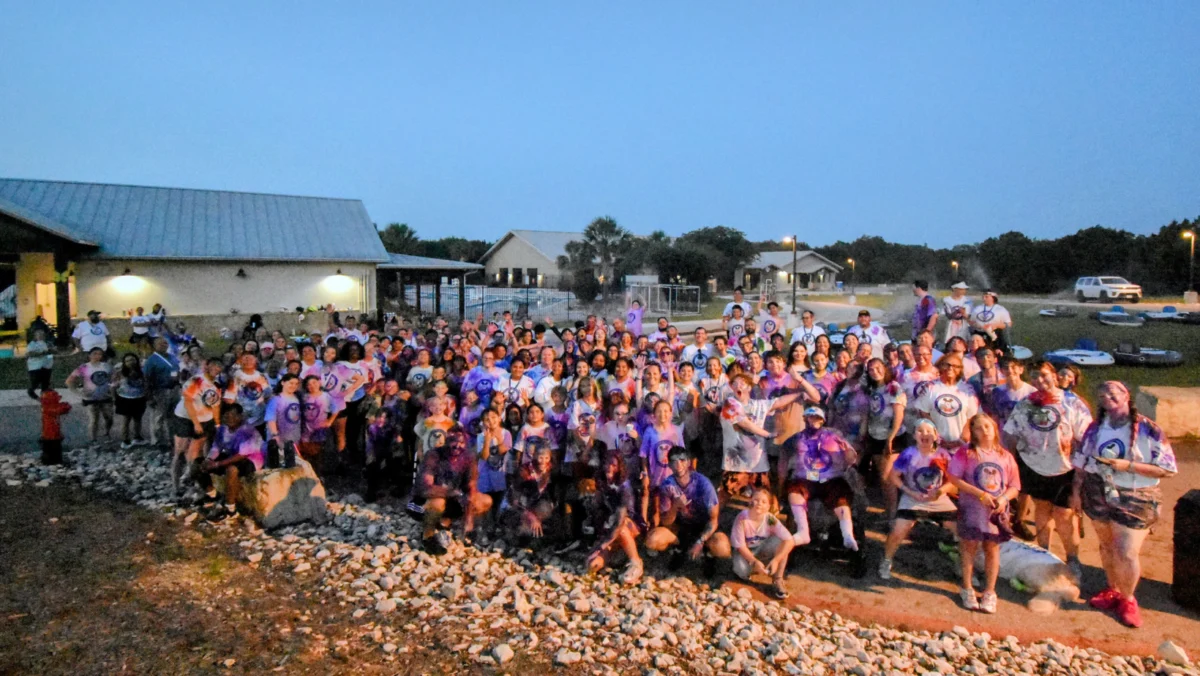
In the quiet corners of San Antonio, Texas, a transformative event recently unfolded that challenged the traditional narrative of pediatric chronic illness. For five days in late June, the grounds of Morgan’s Camp—a facility specifically engineered to be "Ultra-Accessible™"—became a sanctuary for 61 families navigating the often-isolated world of pediatric pain. The fifth-annual Pediatric Pain Warrior Family Summer Camp, a signature initiative of the U.S. Pain Foundation’s Pediatric Pain Warrior Program, did more than just host a retreat; it dismantled the barriers of judgment and misunderstanding that so often plague children living with invisible illnesses.
With a record-breaking attendance of over 250 participants—including children and teens living with chronic pain, their siblings, parents, grandparents, and guardians—the camp provided a rare, immersive environment where medical equipment, mobility aids, and the necessity for rest were not exceptions to the rule, but the standard.
The Chronology of a Life-Changing Week
The camp experience was meticulously designed to balance high-energy physical activity with essential emotional grounding. Upon arrival, families were immediately enveloped in a culture of radical acceptance. The first two days were characterized by "breaking the ice," as campers, many of whom had never met another child dealing with the same specific health challenges, began to forge bonds through shared experience.
By mid-week, the atmosphere had shifted from tentative curiosity to emboldened confidence. Campers engaged in a wide array of activities that, in the outside world, might have been deemed "off-limits" due to accessibility concerns or lack of specialized support. These included traversing ropes courses, scaling rock walls, and experiencing the rush of a zip line. For many of these children, the opportunity to navigate an obstacle course or ride a horse wasn’t just a fun afternoon; it was a reclamation of childhood agency.
As the week progressed, the schedule pivoted toward community reflection. Evenings were reserved for educational sessions and peer-led support groups, allowing for a structured decompression of the day’s physical and emotional efforts. The week culminated in the high-energy "Color Wars"—a vibrant, messy celebration of solidarity involving water and washable paint—which served as a cathartic release, symbolizing the breaking down of walls and the joy of collective resilience.
Supporting Data: The Magnitude of the Movement
The scale of this year’s camp reflects a growing urgency within the pediatric chronic pain community. With 61 families in attendance, the U.S. Pain Foundation saw its highest participation rate to date, underscoring the critical need for spaces that cater to this demographic.
The prevalence of chronic pain in children and adolescents is a significant public health issue, yet the social support structures for these families remain fragmented. The camp serves as a vital bridge, gathering individuals who are often dispersed across the country. Data from the event shows that the majority of attendees manage complex conditions, with a high concentration of children living with migraine and headache diseases.
This is not merely a social gathering; it is a clinical and emotional intervention. The inclusion of specialized programming, such as sessions on navigating insurance denials—led by patient services specialist Windy Rodriguez—and mental health workshops for parents facilitated by therapist Meredith de Saint-Albin, highlights the multifaceted nature of the support provided. By integrating these sessions, the camp addresses the "hidden" aspects of chronic illness: the bureaucratic battles, the psychological toll on caregivers, and the long-term impact on family dynamics.
Official Responses and Expert Perspectives
The success of the Pediatric Pain Warrior Camp lies in its philosophy of "no explanations needed." Casey Cashman, director of the Pediatric Pain Warrior Program, notes that the most profound impact is often the simplest: the relief of being seen.
"What makes this camp so unique, and so life-changing, is that you don’t have to explain or apologize for your pain," Cashman stated. "No one looks at you funny when you need to use your wheelchair or sit out for a bit. Everyone is in the same boat—and that gives these families what is often their first opportunity to take a breath and know that they are truly understood and accepted."
The educational component of the camp also drew praise from industry experts. Dr. Asha Patel Shah, head of Medical Affairs for Skin Health & Baby at Kenvue, provided critical insights into the physiological links between skin health and pediatric pain, offering parents a more holistic view of their children’s conditions. This expert-led approach ensures that families leave not just with memories, but with actionable information to improve their quality of life back home.
A Poignant Commemoration: The Flags for Headache
A centerpiece of this year’s camp was the "Flags for Headache" installation, timed to coincide with Headache Awareness Month. The initiative, supported by the Alliance for Headache Disorders Advocacy and the Headache Alliance, saw hundreds of participants dressed in purple planting flags across the camp’s fields.
This visual representation of the migraine and headache community served as a poignant reminder of the invisible burden carried by millions of American youth. As the flags waved in the wind, the installation functioned as a powerful metaphor for the persistence required to live with chronic pain. It transformed individual struggle into a collective statement, asserting the presence and importance of a community that is frequently overlooked in mainstream healthcare discourse.
Implications for the Future of Pediatric Care
The implications of the Pediatric Pain Warrior Camp extend far beyond the five days spent in San Antonio. By fostering a nationwide network of families, the U.S. Pain Foundation is building a self-sustaining support system that persists long after the campers return home.
The Power of Peer-Led Support
The peer support groups established at the camp provide a model for how chronic illness communities should be structured. When children and teens talk to their peers, the power dynamic shifts; the shame often associated with being the "sick kid" in a traditional school setting vanishes. Siblings, who are often the "forgotten" members of a chronic illness family, also benefit from specialized groups where they can discuss their own experiences of fear, guilt, or isolation.
Changing the Standard of Accessibility
The partnership with Morgan’s Camp serves as a blueprint for the future of inclusive recreation. By demonstrating that high-adventure activities can be made accessible to children with mobility devices, chronic pain, or complex medical needs, the U.S. Pain Foundation is setting a new industry standard. The message is clear: accessibility is not an "add-on" or a special accommodation—it is a fundamental right.
A Catalyst for Advocacy
The education provided at the camp—ranging from navigating insurance systems to managing the psychological impacts of chronic pain—empowers parents to become more effective advocates for their children. This knowledge transfer is critical in an environment where healthcare systems are often labyrinthine and difficult to navigate. By equipping parents with these tools, the program ensures that the benefits of the camp ripple out into the families’ daily lives, influencing their interactions with doctors, schools, and insurance providers.
A Vision for Continued Growth
As the Pediatric Pain Warrior Family Summer Camp looks toward its sixth year and beyond, the goal is clear: to continue expanding the reach of this life-changing experience. The demand for such programming is evident in the record-breaking attendance, and the success of the initiative suggests that the model is both scalable and highly effective.
"I truly believe this camp has saved lives," Cashman reflects. "It has certainly changed hundreds of lives. We are grateful to the families who take a chance and step out of their comfort zones to join us each year. They are what make camp truly special and transformative."
In an era where digital connection is common, the physical gathering of the Pediatric Pain Warrior community proves that there is no substitute for human presence. By creating a space where the severity of a child’s pain does not define their capacity for joy, the U.S. Pain Foundation is not only supporting these families—it is championing a future where every child, regardless of their health journey, has the opportunity to soar.
The legacy of this five-day experience is not found in the ropes courses or the art projects alone; it is found in the shift in perspective of every attendee. They arrive as individuals navigating the dark, uncertain waters of chronic illness, and they leave as a united, empowered family, ready to face the challenges of the future with the knowledge that, in this community, they will never have to walk that path alone.