










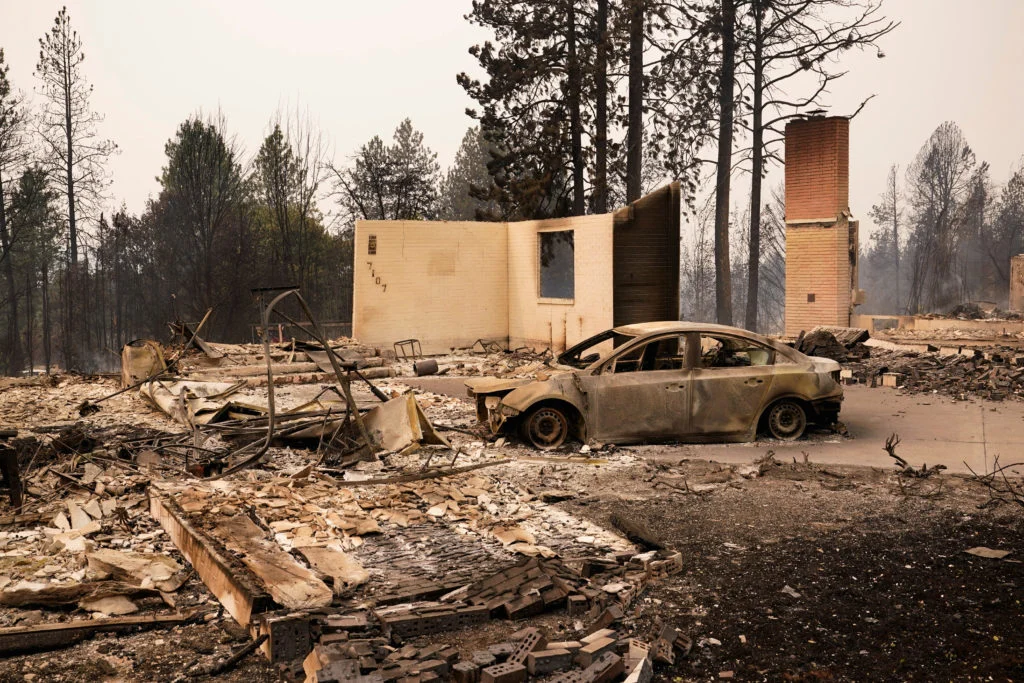
As the United States grapples with the dual challenges of climate-driven natural disasters and an evolving landscape of digital warfare, a new, chilling reality has emerged: the nation’s most essential resource—water—is under systematic attack. While emergency responders continue to battle devastating wildfires in Washington state that have displaced tens of thousands, a parallel, silent emergency is unfolding in the nation’s digital infrastructure. Federal authorities have confirmed that at least seven states have been targeted in a coordinated wave of cyberattacks aimed at critical municipal water systems, with experts pointing toward Iran as the likely architect of this campaign.
The Scope of the Digital Incursion
The breach of American utility infrastructure is not a singular, localized event but a widespread campaign of digital trespassing. According to the FBI and the Cybersecurity and Infrastructure Security Agency (CISA), hackers have successfully penetrated the Programmable Logic Controllers (PLCs)—the "mini-computers" that act as the brains for automated water treatment and distribution systems.
While federal officials have maintained that the impact remains limited in terms of total system failure, the psychological and strategic implications are profound. In Minnesota alone, at least 30 municipal water systems were identified as targets. The attacks have extended across state lines, with Michigan and several other unnamed jurisdictions reporting similar intrusions. Unlike traditional ransomware attacks, where the primary objective is financial extortion, these incursions appear to be driven by a desire to sow chaos, project power, and demonstrate the vulnerability of the American homeland.
A Chronology of Escalation
The recent surge in attacks is not an isolated phenomenon but the culmination of months of heightened digital tension.
- October/November: Cybersecurity agencies began issuing urgent, classified and public-facing warnings regarding Iranian-backed groups actively scanning and targeting U.S. water and energy infrastructure.
- Late Fall: Intelligence agencies observed a shift in tactics, moving from passive reconnaissance to active exploitation of vulnerable, internet-facing hardware.
- December: Reports of multiple, simultaneous intrusions into municipal water controllers surfaced. Federal investigators identified a pattern of activity consistent with Iranian state-sponsored actors, noting the specific targeting of hardware known for lax security protocols.
- Current Status: As of this week, the FBI and the Environmental Protection Agency (EPA) are coordinating a cross-agency response to assist affected municipalities in patching vulnerabilities and hardening their digital perimeters.
The Attribution: Why Iran?
Cynthia Kaiser, a former deputy assistant director of the FBI’s Cyber Division and current senior vice president at cybersecurity firm Halcyon, suggests that the evidence pointing to Iran is overwhelming. When assessing state-sponsored cyber-aggression, intelligence analysts rely on three primary pillars: recent targeting history, geopolitical motive, and the willingness to breach established international norms.
"I would be shocked if Iran wasn’t behind this attack," Kaiser stated in an interview. "We have seen this exact type of targeting recently, specifically against these mini-computers that control critical infrastructure. Furthermore, the motive here is not monetary. If this were a criminal enterprise, we would see demands for payment or encryption of data for ransom. Instead, this is focused on disruption, fear, and the projection of reach."
Iran has a documented history of testing the boundaries of cyber warfare, particularly against U.S. infrastructure. By stopping just short of causing catastrophic failure—such as altering chemical levels in water or shutting down flow entirely—the attackers are engaging in a game of brinkmanship. They are signaling that they possess the capability to cause significant harm, essentially holding the threat of future escalation over the heads of U.S. policymakers.
The Soft Underbelly: Vulnerabilities in Local Governance
The primary reason for the success of these attacks is not a lack of federal oversight, but the fragmented and under-resourced nature of American municipal utilities. Across the country, thousands of water systems are managed by small, local governments that lack the budget, specialized IT staff, and cybersecurity infrastructure to defend against state-level intelligence agencies.
"When policymakers asked me during my time at the FBI which sector I was most worried about, it was water," Kaiser explained. "They lack the funding and the IT personnel necessary to fully secure their systems. When you have a small municipality running a critical utility on a shoestring budget, they become the path of least resistance for sophisticated actors."
These systems are often connected to the broader internet for remote monitoring purposes, creating a "front door" for hackers. Once inside these networks, attackers can gain a foothold that allows them to move laterally, potentially accessing other municipal services. The chaos created by these incursions serves as a low-cost, high-impact method of destabilization that does not require traditional military mobilization.
Political Crossfire and Institutional Stability
The security of American infrastructure has recently become a flashpoint for domestic political debate. Following the reports of the attacks in Minnesota, executive-level criticism was directed at state leadership, characterizing the breaches as a failure of local competence. However, cybersecurity experts caution against the politicization of what is a systemic, nationwide vulnerability.
"It really is broader than the state of Minnesota," Kaiser noted, pointing out that the attacks have touched multiple states, regardless of local administrative policies.
Compounding the security challenge is the current state of federal cybersecurity agencies. Recent reports indicate that the Trump administration has proposed significant budget cuts for CISA, the very agency responsible for maintaining the collaborative relationships between state, local, and federal partners. With nearly a third of CISA’s staff facing potential layoffs or budget-driven attrition, the ability of the U.S. to monitor, respond to, and prevent these incidents is at risk.
The concern among experts is not necessarily how the government handles a "black swan" event, but how it manages the daily grind of thousands of minor, persistent threats. "If there aren’t additional personnel, what happens to the other types of operations that are happening every day? What do we miss?" Kaiser asked.
The Legislative Cliff
A critical piece of the puzzle is the renewal of state and local cybersecurity grants. These grants provide the necessary capital for municipalities to upgrade legacy systems and hire the security professionals required to monitor networks 24/7. This funding is currently set to lapse in the coming months, and failure by the Senate to act would leave thousands of local utilities effectively defenseless against the next wave of state-sponsored probing.
Implications for National Security
The current situation in Washington state—where fires are destroying hundreds of buildings—serves as a stark reminder of the physical threats the nation faces. However, the cyber-campaign against our water systems represents a different, more insidious threat: the weaponization of the mundane.
If the U.S. is to maintain its domestic stability, it must treat municipal utility security as a matter of national security rather than a local IT issue. The transition from passive defense to active deterrence is necessary, but it requires a robust federal commitment.
The strategy of the adversaries is clear: to sow doubt, to disrupt the sense of normalcy, and to force the U.S. to divert massive resources toward securing thousands of disparate, vulnerable targets. Until the federal government commits to a permanent, well-funded framework for supporting local infrastructure, the water flowing through our pipes will remain a strategic lever for foreign adversaries looking to exert influence over the American public.
The question is no longer if these systems will be targeted again, but whether the nation will provide the tools necessary to keep the water running safely for the millions of Americans who rely on these systems every day.