










A Paradigm Shift in Pediatric Diagnostics
In a transformative development for pediatric medicine, a team of bioengineers and clinicians has unveiled a novel diagnostic tool that could redefine how cystic fibrosis (CF) is detected globally. A study recently published in npj Digital Medicine details the creation of flexible, wearable stickers capable of measuring sweat chloride levels—the gold standard for diagnosing CF—in under an hour, without the need for the cumbersome, specialized laboratory equipment that has defined testing protocols for decades.
Cystic fibrosis is a life-altering genetic disorder characterized by the production of thick, sticky mucus that clogs the lungs and obstructs the pancreas, leading to severe respiratory and digestive complications. The "CF SWIFT" (Sweat-based Wearable Integrated Flow-through) system, developed by researchers at Northwestern University’s Querrey Simpson Institute for Bioelectronics, represents a fusion of soft electronics and digital health. By moving the diagnostic process from a sterile, high-resource laboratory setting to a simple, skin-applied adhesive, this technology aims to close the staggering gap in global health equity for CF patients.
The Core Mechanism: How CF SWIFT Works
The diagnostic process for CF has traditionally required a procedure known as the pilocarpine iontophoresis sweat test. This involves inducing sweating on a small area of the skin using electrodes and collecting the sweat on a gauze pad or coil for subsequent chemical analysis in a lab. The process is often difficult to perform on infants, who have small limbs and produce minimal sweat, and it requires clinical settings that are not always accessible in rural or developing regions.
The CF SWIFT system simplifies this entire workflow into a two-stage, self-contained process:
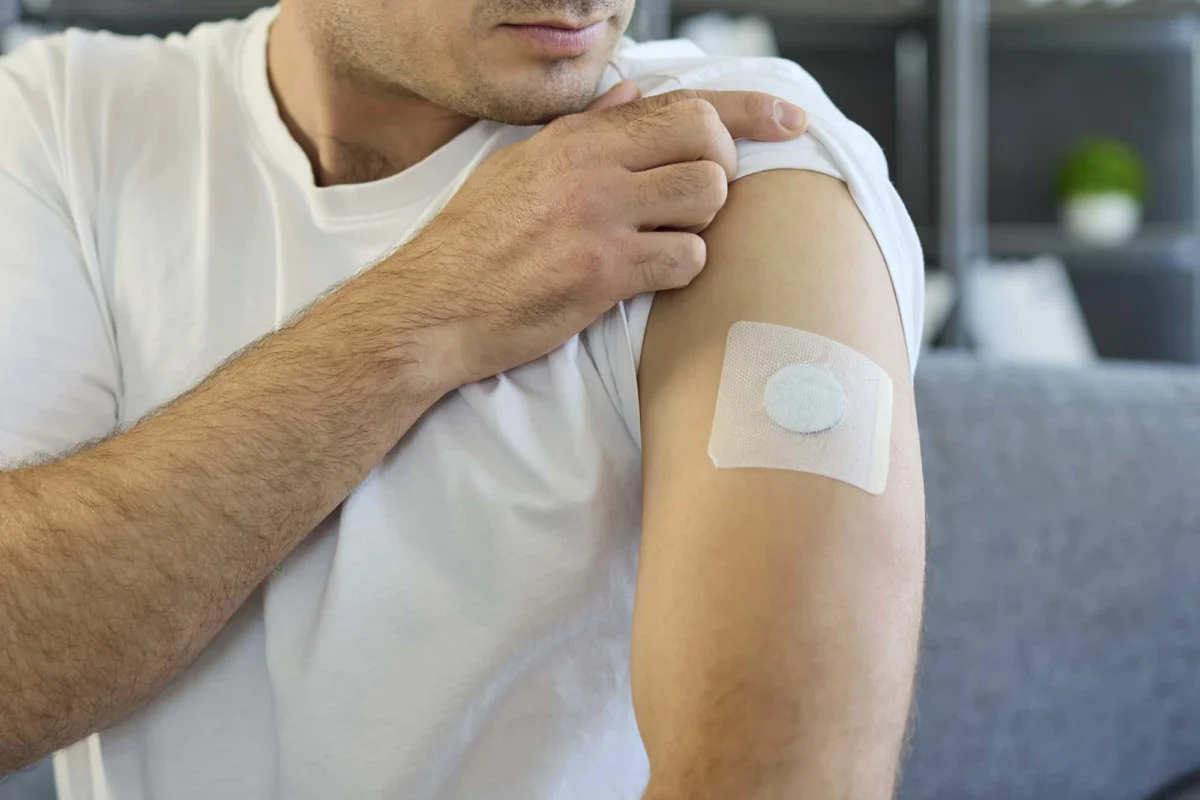
- Stimulation: A thin, flexible adhesive patch is applied to the skin. Utilizing a small, integrated button battery, the sticker delivers a mild chemical stimulus to the skin, safely triggering local sweat production.
- Collection and Analysis: A second, specialized sticker is placed over the same site. As sweat is produced, it is drawn into the sticker’s microfluidic channels. The system utilizes colorimetric sensors that react to the chloride content within the sweat.
- Digital Integration: Once the collection is complete, a smartphone application serves as the final diagnostic tool. By taking a photograph of the sticker, the app’s image-processing algorithm calculates the density of the color change, providing an immediate readout of the chloride concentration.
The entire cycle, from initial stimulation to final reading, is completed in less than 60 minutes—a significant improvement over the logistical delays inherent in traditional lab-based testing.
Chronology of the Research and Development
The development of the CF SWIFT device is the result of years of interdisciplinary collaboration between bioengineers and medical professionals.
- Conceptualization (The Bioengineering Phase): Under the leadership of John Rogers, the Querrey Simpson Institute for Bioelectronics focused on the "soft" aspect of the hardware. The goal was to create a device that was non-invasive, gentle enough for the delicate skin of a neonate, and robust enough to provide reliable data.
- Clinical Integration: The engineers partnered with the cystic fibrosis center team at the Ann & Robert H. Lurie Children’s Hospital of Chicago. This collaboration ensured that the device would be tailored to the specific clinical needs of CF patients, particularly infants who require early intervention.
- The Pilot Study: The researchers conducted a clinical trial involving 55 participants. This cohort was diverse, ranging from healthy volunteers to individuals with confirmed CF or related conditions, covering an age spectrum from infancy to 21 years.
- Validation: By comparing the results of the CF SWIFT stickers against the results generated by standard, hospital-grade sweat testing equipment, the team demonstrated a high degree of correlation. These findings served as the "proof of concept" necessary to justify future large-scale, multicenter validation studies.
Supporting Data: Addressing the Global Diagnosis Gap
The urgency for this technology is underscored by the current global statistics regarding CF diagnosis and survival. According to Dr. Susanna McColley, a leading CF expert and professor of pediatrics at Northwestern University Feinberg School of Medicine, the disparity in outcomes is largely a function of access to diagnostic tools.
- The Survival Gap: In the United States, with comprehensive care and early diagnosis, the projected median survival age for a person with CF is now 66 years. Conversely, in regions where diagnostic testing is unavailable, the lack of early intervention often results in a life expectancy of less than five years.
- The Diagnostic Gap: It is estimated that approximately 50% of people living with CF globally remain undiagnosed. This represents a silent health crisis, as the progressive nature of the disease means that every day without treatment leads to irreversible lung and organ damage.
- Study Demographics: The pilot study’s inclusion of 52 individuals with CF or related conditions provided a robust dataset to verify that the stickers were not only sensitive enough to detect the disease but also specific enough to differentiate between varying levels of chloride concentration.
Official Perspectives: The Path Forward
The developers of the CF SWIFT technology are acutely aware that while the results are promising, the transition from laboratory prototype to bedside necessity requires rigorous clinical validation.
Dr. Susanna McColley’s Assessment:
Dr. McColley emphasizes the profound impact of this innovation on global health. "The new technology… promises to make diagnostic testing for CF more readily available," she stated. "This is critical, since earlier diagnosis is linked to better health outcomes and longer life." However, she remains pragmatic about the regulatory landscape. "Before these sweat testing stickers become clinically available, we need to validate our findings in a multicenter study with younger infants, since most sweat tests in the US are performed in the first weeks of life."
John Rogers’ Perspective:
John Rogers, co-senior author of the study, highlighted the user-friendly nature of the device. "The new ‘CF SWIFT’ device is a complete self-contained system," Rogers noted, pointing to the advantage of integrating the stimulator unit directly into the wearable. By eliminating the need for bulky electrodes and separate analysis hardware, the team has effectively miniaturized a complex clinical process.
Implications: A New Era of Health Equity
The implications of the CF SWIFT sticker extend far beyond the immediate diagnostic benefits for patients in major cities.
Decentralizing Healthcare
For many, the current diagnostic standard is an insurmountable barrier. Requiring travel to an accredited CF center—often located in major urban hubs—imposes a financial and logistical burden that many families cannot meet. By making the test "portable," the CF SWIFT system could theoretically allow pediatricians in remote or rural areas to perform high-accuracy testing during a routine check-up, potentially saving years of developmental growth for an undiagnosed child.
Economic Viability
The cost-effectiveness of the sticker-based approach could also lead to its adoption in low- and middle-income countries. By stripping away the need for high-cost lab equipment and specialized personnel to operate it, the barrier to entry for universal newborn screening programs is significantly lowered.
Regulatory and Future Challenges
Despite the optimism surrounding the study, the path to commercialization is clear. The researchers have identified three critical hurdles:
- Multicenter Clinical Trials: To ensure accuracy across diverse demographics and environmental conditions, larger-scale trials are essential.
- Infant-Specific Validation: Because neonates have unique physiological responses, the efficacy of the chemical stimulation on the youngest patients must be rigorously proven.
- FDA Approval: As with any medical device intended for diagnostic use, securing approval from the U.S. Food and Drug Administration (FDA) is a mandatory step that will require exhaustive documentation of the device’s reliability, safety, and performance consistency.
Conclusion
The CF SWIFT project is a shining example of how bioengineering can be leveraged to address deep-seated health disparities. While the technology is still in the developmental pipeline, its success in the pilot phase offers a glimpse into a future where geography and socioeconomic status no longer dictate the timeline of a life-saving diagnosis. If the subsequent validation studies match the success of the initial research, the humble sticker could become one of the most significant diagnostic advancements in the history of cystic fibrosis care.