





For decades, the global scientific community has sounded the alarm regarding plastic pollution. We have documented the Great Pacific Garbage Patch, analyzed the presence of microplastics in the stomachs of marine life, and scrutinized the ubiquity of synthetic fibers in our clothing. However, a more insidious, microscopic menace has recently come into focus: nanoplastics.
New research spearheaded by Virginia Tech’s Jingqiu Liao has uncovered a disturbing reality—nanoplastics are not just inert contaminants in our environment; they are active agents that may be fundamentally altering the behavior of harmful bacteria. By strengthening the protective biofilms that line our drinking water systems, these invisible particles could be rendering our standard sanitation protocols dangerously obsolete.
The Invisible Frontier: Defining Nanoplastics
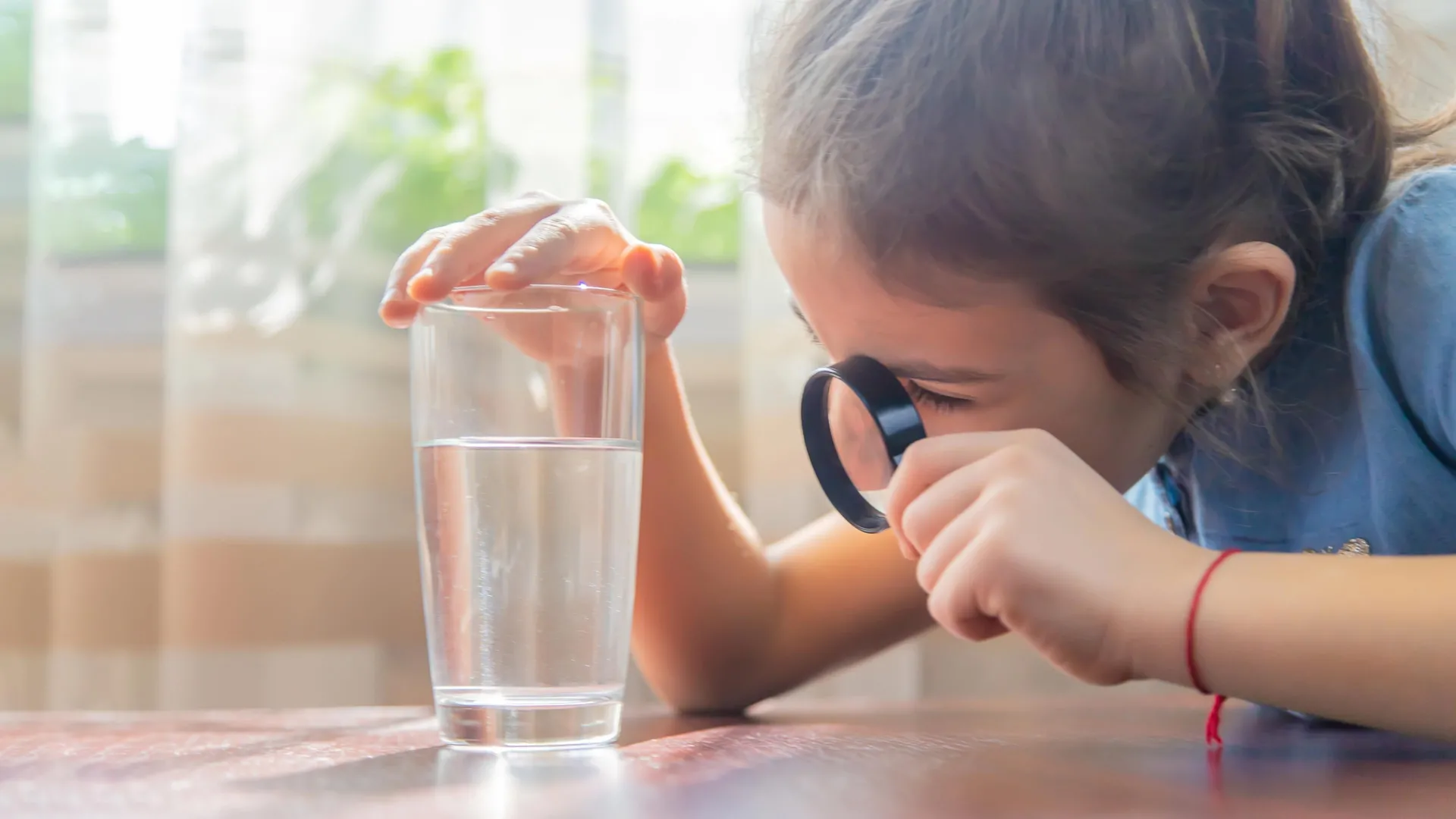
To understand the gravity of the situation, one must first grasp the scale. Microplastics—fragments measuring less than five millimeters—are already a household concern. Nanoplastics, however, are an order of magnitude smaller, ranging from one to 1,000 nanometers. To put this into perspective, a human hair is roughly 80,000 to 100,000 nanometers wide. Because of their minute size, nanoplastics are invisible to the naked eye and can bypass many conventional filtration systems used in municipal water treatment facilities.
As these particles infiltrate the hydrologic cycle, they do not remain suspended in the water column in isolation. They interact with the living world—specifically, the complex microbial communities known as biofilms.
Understanding the Microbial Fortress: How Biofilms Form
Biofilms are the "cities" of the microbial world. When bacteria such as E. coli or Pseudomonas aeruginosa attach to a surface—like the interior of a lead or PVC water pipe—they do not simply sit there. They secrete a sticky, protective matrix composed of extracellular polymeric substances (EPS). This shield acts as a fortress, protecting the bacteria from environmental stressors, including desiccation, temperature fluctuations, and, most critically, chemical disinfectants like chlorine.
Under normal circumstances, water treatment facilities use precise concentrations of disinfectants to break down these biofilms and eliminate pathogenic bacteria before water reaches the tap. However, Liao’s research suggests that the presence of nanoplastics acts as a structural catalyst, reinforcing these microbial fortresses and making them significantly harder to eradicate.
Chronology of a Discovery: From Soil to Water
The path to this discovery began with Dr. Jingqiu Liao’s extensive background in microbial ecology and metagenomic analysis. Liao, an assistant professor of civil and environmental engineering at Virginia Tech, has spent years examining how environmental variables—such as soil composition—contribute to the horizontal gene transfer of antibiotic resistance.
In her previous work, Liao investigated the "deterministic and stochastic processes" that structure bacterial ecotypes in terrestrial ecosystems. This foundation in microbial behavior allowed her to hypothesize that nanoplastics might serve as a stressor capable of inducing a defensive response in aquatic bacteria.
The study, published in the journal Water Research, involved an international team of collaborators. By simulating a controlled environment mirroring the conditions within drinking water distribution systems, the team exposed biofilms of E. coli and P. aeruginosa to nanoplastic particles. The results were consistent and alarming: the bacteria did not remain passive. Instead, they adapted in ways that suggest a sophisticated, systemic response to the presence of synthetic debris.
The Triple Threat: Bacterial Responses to Plastic
The researchers identified three distinct, alarming behavioral shifts in the bacteria when they came into contact with nanoplastics:
1. Enhanced "Social" Communication
Bacteria use a process called "quorum sensing" to communicate with one another through chemical signaling. When nanoplastics were introduced to the biofilm environment, the bacteria ramped up this communication, leading to the production of more EPS. This resulted in a thicker, heavier, and more resilient biofilm, effectively creating a more robust barrier against cleaning agents.
2. Prophage Activation
One of the most complex findings involved bacteriophages—viruses that infect bacteria. When nanoplastics infiltrated the biofilm, prophages (viruses that have integrated their DNA into the bacterial genome) became "active." This process, known as induction, triggers the virus to replicate, eventually causing the bacterial cell to burst (lysis). While this might seem like a way to kill off the bacteria, the massive release of new viral particles and cellular debris further reinforces the biofilm structure, creating a more chaotic and difficult-to-manage microbial environment.
3. The CRISPR Defense Mechanism
Bacteria are not defenseless. They utilize CRISPR (Clustered Regularly Interspaced Short Palindromic Repeats) to identify and destroy invading viral DNA. The study observed that the bacteria within the nanoplastic-exposed biofilms significantly upregulated their CRISPR activity. By engaging this defense system, the bacteria were effectively "locking down" against the viral surge triggered by the nanoplastics, further stabilizing the colony against external disruption.
Official Responses and Scientific Implications
Dr. Liao, who is an affiliate with both the Fralin Life Sciences Institute’s Global Change Center and the Center for Emerging, Zoonotic, and Arthropod-borne Pathogens, emphasizes that this is not merely a theoretical exercise in a laboratory.
"The nanoplastics can make the antimicrobial-resistant pathogens better survive, which could be harmful to the environment and would have public health implications," Liao stated. "When the nanoplastics interact with the biofilm and the bacteria inside them, they can strengthen the biofilm and make it more resistant to any kind of measures that are going to keep the water clean."
For water treatment operators, this presents a logistical nightmare. If the standard disinfectants currently relied upon by municipalities are rendered less effective by the mere presence of plastic nanoparticles, the margin for error in maintaining safe drinking water narrows significantly. This necessitates a potential re-evaluation of water treatment protocols, infrastructure design, and the monitoring of raw water sources for nanoplastic density.
The Broader Public Health Context
The implications extend beyond the pipes under our streets. The study highlights a potential feedback loop: as we dump more plastic into the environment, that plastic eventually migrates into our water sources. Once there, it interacts with pathogens, making them more resilient to the very chemical barriers designed to protect human health.
Furthermore, because these biofilms can harbor antibiotic-resistant bacteria, the ability of nanoplastics to stabilize these colonies increases the likelihood that drug-resistant genes will persist in the water supply. If these "superbugs" survive the treatment process, they are delivered directly into homes, hospitals, and schools.
Future Directions: What Happens Next?
The research team is clear that this study is a starting point, not a conclusion. As Dr. Liao noted, "Overall, our findings provide novel insights into the interplay between nanoplastics and bacterium-phage dynamics, highlighting increased microbial risks associated with waterborne nanoplastics."
To fully understand the scope of this threat, the scientific community must now pivot toward:
- Molecular Analysis: Identifying the specific molecular pathways that drive these adaptive responses.
- Size-Variable Studies: Investigating whether larger microplastics interact with bacterial-phage dynamics differently than nanoplastics.
- Multi-Species Complexity: Moving beyond controlled E. coli and P. aeruginosa cultures to study complex, multi-species biofilms found in real-world infrastructure.
The "Scaling Scholarship Award" recently granted to Liao through the Virginia Tech College of Engineering’s Major Grants Initiative underscores the university’s commitment to solving these complex environmental challenges. However, the solution will likely require a global effort.
Conclusion
The intersection of plastic pollution and microbiology represents one of the most critical emerging threats to modern public health. We have long viewed water treatment as a definitive barrier against the invisible microbial world, but that barrier is now being challenged by the ubiquity of synthetic material.
As we continue to navigate the age of plastics, the work of researchers like Jingqiu Liao serves as a necessary wake-up call. We must look beyond the macroscopic debris in our oceans and rivers to the microscopic interactions happening in the pipes that sustain us. The "invisible" nature of these threats does not make them any less urgent; rather, it demands a more sophisticated, proactive, and science-driven approach to infrastructure, regulation, and environmental stewardship. For now, the takeaway is clear: the plastics we discard are returning to us, and they are changing the rules of the game.