








For decades, the public narrative surrounding weight loss has been tethered to a simplistic, often moralistic, mantra: "eat less, move more." It is a philosophy rooted in the belief that weight management is exclusively a matter of willpower—a character test of discipline versus indulgence. However, a seismic shift is occurring in the medical community. Modern research is dismantling the "willpower myth," revealing that weight regulation is not a conscious choice, but a complex, involuntary biological process governed by an ancient survival system that is increasingly at odds with our modern environment.
The Evolutionary Burden: Why Our Bodies Resist Weight Loss
To understand the current obesity epidemic, we must look back hundreds of thousands of years to our early human ancestors. For them, body fat was not a cosmetic concern; it was a critical survival mechanism. In environments where food scarcity was the norm, the ability to store energy efficiently—and the instinct to hold onto those reserves—was the difference between life and death.
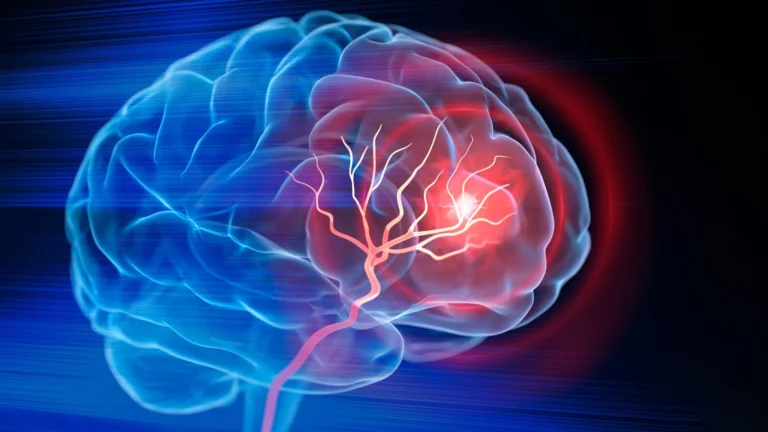
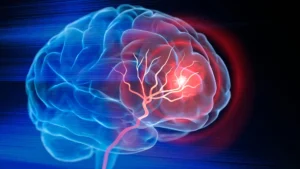
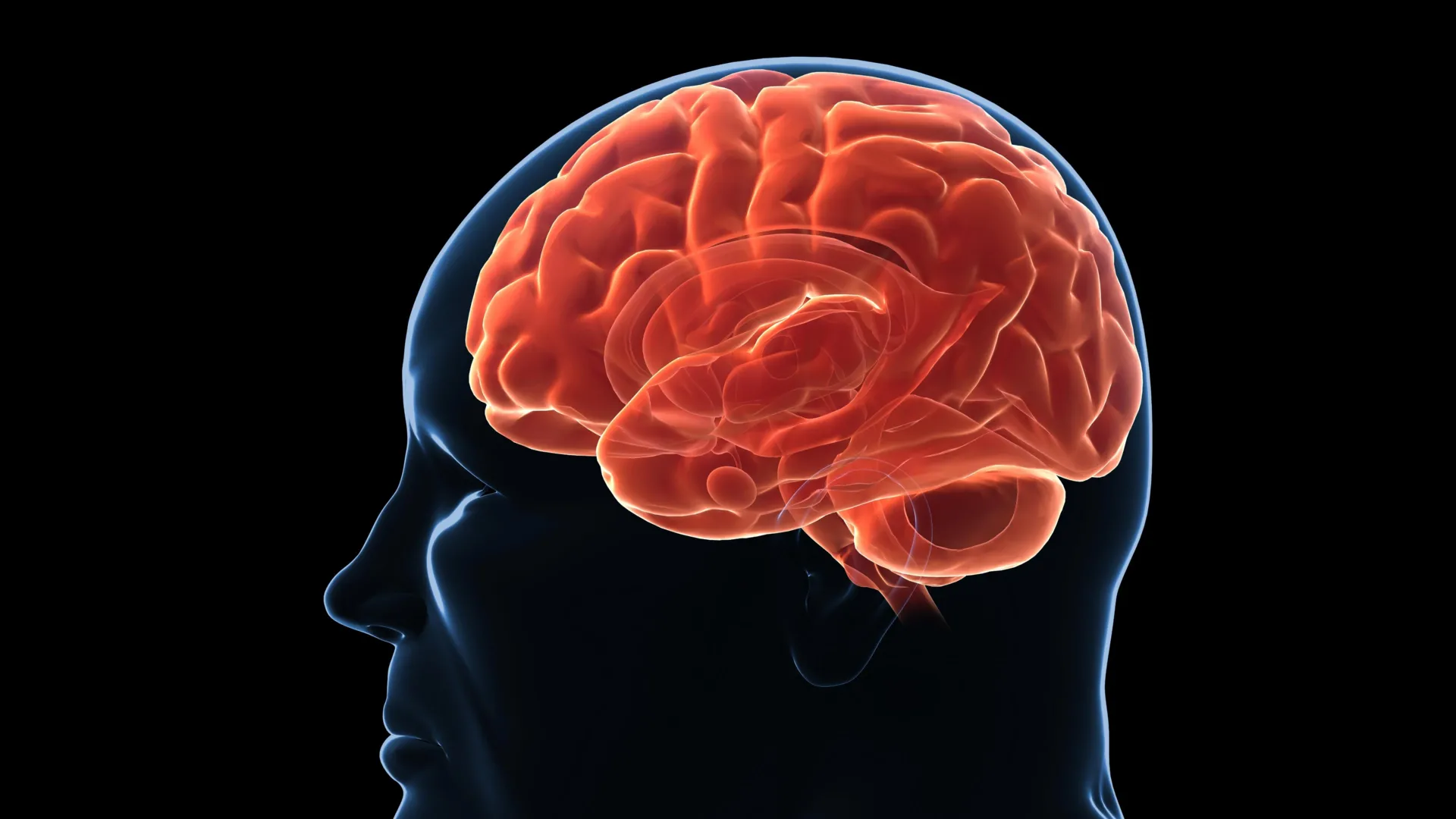
Over millennia, the human body developed a sophisticated, highly guarded internal system to protect energy reserves. The brain, functioning as the command center, treats body fat as a precious lifeline. When an individual attempts to lose weight, the brain does not interpret this as a positive health intervention. Instead, it senses a threat to survival, akin to a famine.
In response, the body triggers a biological "defense" mechanism: hunger hormones, such as ghrelin, surge to drive the individual to seek food; food cravings—particularly for calorie-dense items—intensify; and basal metabolic rate drops to conserve energy. These adaptations were perfectly calibrated for a world of fluctuating food availability. In our current landscape, however, where high-calorie, processed food is ubiquitously available and physical activity is no longer a requirement for survival, these same ancient defenses work against us, creating a persistent, physiological barrier to weight loss.
The Memory of Weight: How the Brain Defends the "New Normal"
Emerging research from the field of neurobiology suggests that our brains possess a powerful mechanism for "remembering" our previous body weight. Much like a thermostat, the brain establishes a "set point"—a preferred weight range it feels compelled to defend.
For our ancestors, this was an advantage. If a period of famine caused weight loss, the body would naturally work to return to its previous, healthier weight once food became available. In the modern context, this process is arguably our greatest hurdle. When an individual gains weight, the brain essentially recalibrates its "set point" upward, treating the higher weight as the new, baseline "normal."
Once the body has achieved a higher weight, the brain views any attempt to drop below that number as a biological crisis. It initiates a relentless campaign to restore the weight, explaining why so many individuals experience the "yo-yo" effect after dieting. This phenomenon is not a failure of discipline or a lack of motivation; it is the human body functioning exactly as it was designed to—defending its energy reserves with extreme efficiency.
The Pharmaceutical Revolution: Hacking the Biological Signal
As our understanding of these hormonal and neural mechanisms has matured, the medical community has turned toward pharmacological interventions. The advent of GLP-1 receptor agonists, such as Wegovy and Mounjaro, has provided a "hack" for the biological system. By mimicking gut hormones, these medications communicate directly with the brain to suppress appetite and reduce the "noise" of constant hunger signals.
For millions, these drugs have been transformative. However, they are not a panacea. Clinical data indicates that not every patient responds to these treatments with the same efficacy, and for others, the side effects—ranging from gastrointestinal distress to dental health issues—render the medications difficult to maintain. Furthermore, a significant concern remains: when the medication is withdrawn, the underlying biological "set point" often reasserts itself, leading to weight regain.
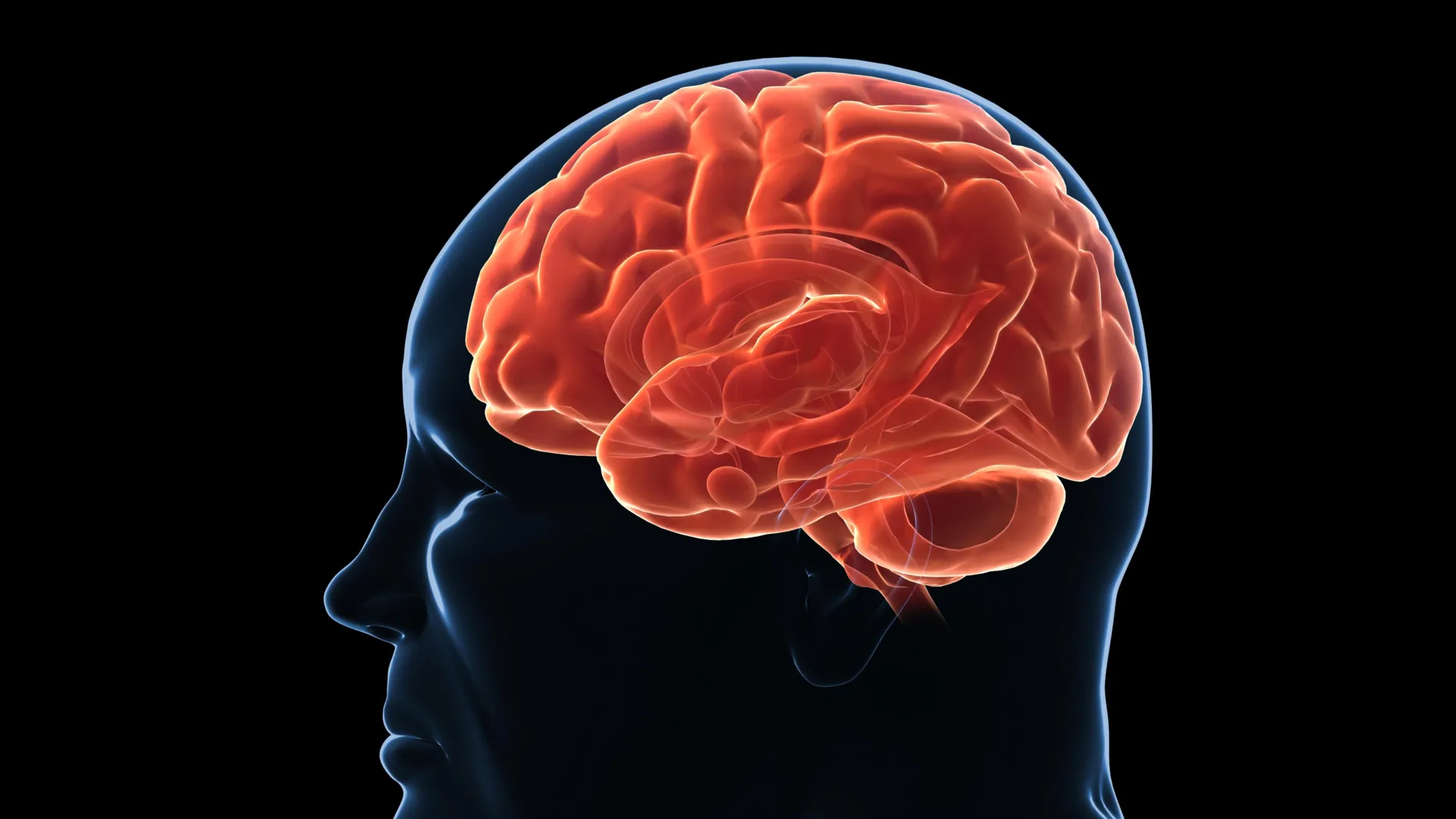
The next frontier in obesity research focuses on "future-proofing" these therapies. Scientists are exploring ways to modulate the brain’s weight-memory circuits so that, even after the cessation of treatment, the body no longer views the previous, higher weight as the target for defense.
Beyond the Scale: Redefining Health and Well-being
One of the most important takeaways from recent longitudinal studies is the realization that "health" and "weight" are not synonyms. The obsession with the number on the scale has often obscured the broader markers of metabolic function.
Research now shows that significant improvements in heart health, blood pressure, insulin sensitivity, and systemic inflammation can be achieved through lifestyle changes—such as consistent sleep, balanced nutrition, and regular movement—even if the scale remains static. By shifting the focus from weight reduction to metabolic health, patients can achieve meaningful longevity and well-being, effectively bypassing the psychological toll of unsuccessful dieting.
A Systemic Crisis: Moving Toward a Societal Approach
If the obesity epidemic is a consequence of the friction between ancient biology and the modern environment, it follows that the solution must be systemic rather than purely individual. A societal approach is required to tackle the environmental "obesogens" that drive weight gain.
Policy Interventions
- Nutritional Standards: Investing in high-quality, subsidized school meals ensures that children establish healthy dietary patterns early.
- Marketing Restrictions: Evidence-based policies to curb the aggressive marketing of ultra-processed, calorie-dense foods to children are essential.
- Urban Design: Creating "active" cities where walking, cycling, and public transit are prioritized over sedentary car travel helps reintegrate natural movement into daily life.
- Standardization: Implementing standardized portion sizes in restaurants can help combat the "portion distortion" that has plagued modern consumption habits.
The Early-Life Window
Scientists have identified the period from pregnancy to age seven as a critical "window of plasticity." During this time, a child’s weight-regulation system is particularly susceptible to external influences. Factors such as maternal diet, breastfeeding practices, and early childhood lifestyle habits can essentially "program" the brain’s appetite and fat-storage mechanisms for the rest of an individual’s life. Focusing public health initiatives on this developmental window could yield profound benefits for the health of future generations.
Implications: A New Era of Understanding
The implications of this research are profound. By destigmatizing obesity, we can move away from the damaging narrative of personal failure and toward a medicalized, empathetic, and science-based model of care.
For the millions struggling with weight, the realization that the brain is a "formidable opponent" is not a cause for despair, but for liberation. It validates their struggle and shifts the focus from individual blame to the biological realities of human evolution. As we continue to refine pharmaceutical therapies, integrate public health policies, and prioritize metabolic health over mere weight loss, we are beginning to rewrite the rules of the game.
The future of weight management lies in a tripartite approach: acknowledging the biological hurdles, utilizing emerging medical advancements to assist in the process, and reshaping our society to support human health rather than undermine it. As we move forward, the focus must remain on the long-term, sustainable habits that nourish the body and mind, recognizing that the journey to health is as much about the environment we build as it is about the biology we were born with.
In conclusion, the fight against obesity is no longer a lonely battle of the will. It is a collaborative, scientific, and societal endeavor. By aligning our policies and treatments with the realities of human biology, we are finally moving toward a more sustainable and compassionate approach to human health.