











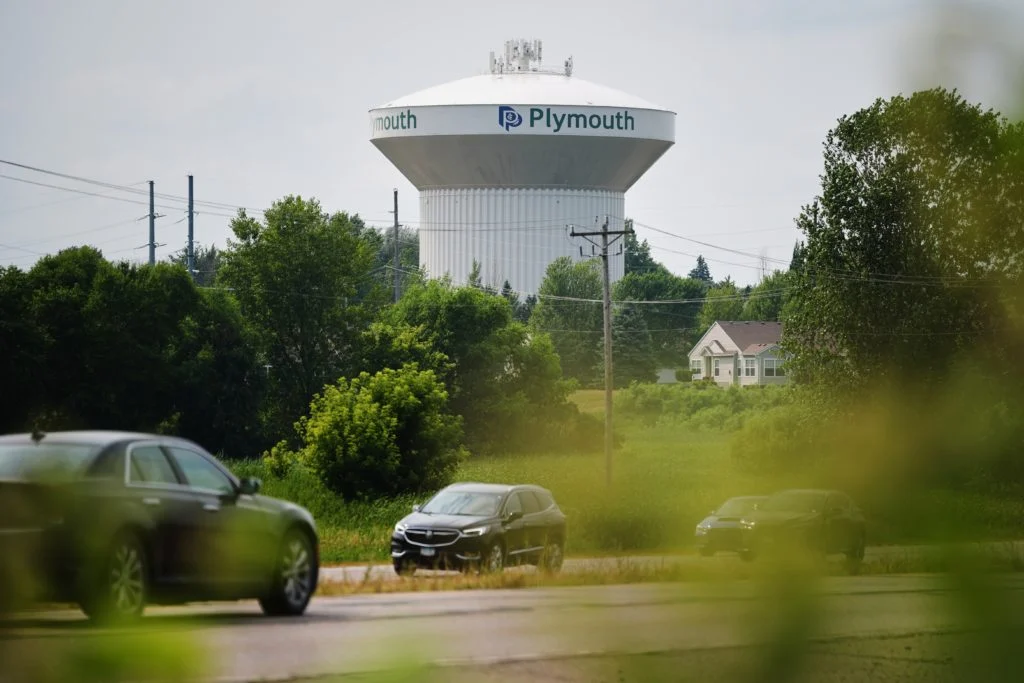
A chilling trend has emerged across the American landscape, as federal authorities confirm a coordinated wave of cyberattacks targeting critical municipal water infrastructure. Spanning at least seven states—with recent reports suggesting that number may be growing—these digital incursions have prompted urgent alarm from the FBI, the Environmental Protection Agency (EPA), and the Cybersecurity and Infrastructure Security Agency (CISA).
As utilities providers scramble to fortify their networks, the focus of the investigation has shifted toward a state-sponsored actor: Iran. According to cybersecurity experts, these attacks represent a calculated attempt to sow discord, fear, and operational instability within the United States, exploiting the inherent vulnerabilities of small-scale, underfunded public utility systems.
The Anatomy of the Threat: A Chronology of Incursions
The current campaign of digital aggression did not materialize in a vacuum. For years, federal cybersecurity agencies have been tracking an uptick in activity targeting Industrial Control Systems (ICS)—the "mini-computers" that manage everything from water pressure to chemical treatment levels in local utility plants.
A Pattern of Escalation
The recent spike follows a series of warnings issued late last year by U.S. officials, explicitly naming Iran as a persistent threat to national infrastructure. The strategy employed by the attackers is distinct; rather than seeking financial gain through ransomware—a common tactic for criminal syndicates—these operations are characterized by "disruptive intent."
In Minnesota, local authorities recently disclosed that at least 30 municipal water systems were compromised. The breach sent shockwaves through the state, raising immediate concerns about the safety and reliability of public water supplies. Since the initial reports, the scope has widened, with officials in Michigan and other regions confirming that their systems were also targeted. This geographic breadth suggests a coordinated, nationwide effort to probe the digital perimeters of the American heartland.
Expert Analysis: Why Iran?
Cynthia Kaiser, a former deputy assistant director of the FBI’s Cyber Division and current senior vice president at the cybersecurity firm Halcyon, suggests that the evidence points definitively toward Iranian state actors. In an interview, Kaiser outlined the three pillars of attribution that lead experts to this conclusion:
- Consistent Targeting: The current attacks mirror the specific techniques and targets identified in intelligence briefings released by CISA and the FBI just weeks ago.
- Motive: Unlike profit-driven hackers, the perpetrators of these attacks appear uninterested in financial extortion. Their objective is geopolitical: to signal capability and incite fear.
- Historical Precedent: Iran has a documented history of crossing the "red line" regarding critical infrastructure. Previous operations have targeted similar ICS devices, demonstrating a long-term interest in holding American domestic systems at risk.
"I would be shocked if Iran wasn’t behind this," Kaiser stated. "They have the motive, the history, and the specific interest in these devices. There isn’t really a plausible alternative scenario."
The "Soft Underbelly" of American Infrastructure
One of the most concerning aspects of these attacks is the strategic choice of targets. Rather than attempting to breach major metropolitan water authorities—which often possess robust security budgets and dedicated IT departments—the attackers are focusing on small, rural, or suburban municipalities.
Resource Scarcity as a Vulnerability
Many local water utilities operate on razor-thin budgets. They often lack the specialized cybersecurity personnel necessary to monitor networks 24/7 or to implement the sophisticated multi-factor authentication and endpoint protection required to stop a state-sponsored actor.
For an adversary, these smaller systems are "low-hanging fruit." By targeting them, the attackers achieve their goal of creating widespread anxiety without the logistical hurdles of breaching a Tier-1 target. The message being sent is one of omnipresence: We are already inside.
Political Friction and Federal Responsibility
The discourse surrounding these attacks has become increasingly heated as the political climate infiltrates the technical conversation. Recent remarks from the executive branch, which castigated the state of Minnesota and its leadership for the breaches, have been criticized by security experts as a misunderstanding of the systemic nature of the threat.
Experts like Kaiser point out that because the attacks span at least seven states, labeling them as a failure of a single administration or local government is a distraction. The vulnerability is a national, structural issue—not a localized one. The focus, they argue, should remain on the shared responsibility between federal agencies and local providers.
Implications: The Cybersecurity Gap
The looming threat to water security comes at a time when the federal government’s approach to cybersecurity is undergoing significant change. Recent reports concerning the mass resignation and firing of staff at CISA, combined with proposed budget cuts, have sparked intense debate regarding the nation’s ability to defend its civilian infrastructure.
The CISA Conundrum
CISA serves as the primary liaison between the federal government and local critical infrastructure providers. If the agency’s workforce is depleted, its ability to disseminate timely threat intelligence and offer technical assistance to municipalities is severely diminished.
"When we talk about budget cuts, I worry about the day-to-day operations," Kaiser noted. "If we don’t have the personnel to track the lower-level noise, we miss the signals that precede a major attack. We need to maintain a baseline of vigilance that only comes with adequate staffing."
The Legislative Cliff
Perhaps the most immediate concern is the potential expiration of federal cybersecurity grants. These grants provide the essential funding that small municipalities use to upgrade their legacy systems and hire cybersecurity experts. With these grants currently pending Senate renewal, the potential for a "funding cliff" threatens to leave rural communities even more exposed. If the funding lapses by this fall, the very infrastructure that is currently under siege will find its primary defense mechanism stripped away.
The Path Forward: Resilience and Vigilance
The threat to America’s water infrastructure is a sobering reminder of the new reality of modern warfare. The battlefield is no longer confined to physical borders; it is found in the digital interfaces that control the flow of water into our homes and schools.
Strengthening the Defense
To address these vulnerabilities, several steps are required:
- Resource Allocation: Congress must prioritize the renewal of state and local cybersecurity grants to ensure that municipalities have the tools to defend themselves.
- Information Sharing: The partnership between the FBI, CISA, and local utility providers must be strengthened, ensuring that intelligence regarding new tactics is shared in real-time.
- Infrastructure Modernization: Many water systems rely on aging, "dumb" technology that was never designed for an internet-connected world. Moving toward a "secure-by-design" architecture is essential for long-term safety.
A Call for National Awareness
Ultimately, the resilience of the American water system depends on acknowledging that these attacks are not isolated incidents but a calculated strategy by foreign adversaries. As the FBI and EPA continue their investigations, the public and policymakers alike must recognize that the security of our most basic resource—water—is a national security priority that requires sustained attention, robust funding, and a unified strategy.
The "silent siege" may not involve traditional weapons, but its potential for disruption is profound. As we look toward the coming months, the ability of the U.S. to protect its small-town utilities will serve as a bellwether for its ability to defend the nation against a new generation of cyber-adversaries. The time to harden these systems is not after a catastrophic event, but in the immediate wake of these warnings, while the window of opportunity for prevention remains open.