









In the silent, often agonizing battle against chronic wounds, millions of patients worldwide are caught in a cycle of stagnation. For those suffering from diabetic foot ulcers, pressure injuries, or venous leg ulcers, a simple break in the skin can become a life-altering ordeal. Now, a groundbreaking international study led by Nanyang Technological University, Singapore (NTU Singapore) has unveiled a novel mechanism that explains why these wounds refuse to heal, pointing toward a transformative new therapeutic approach that bypasses the limitations of traditional antibiotics.
The Silent Crisis of Chronic Wounds
Chronic wounds represent a pervasive and escalating global health crisis, frequently overshadowed by more acute medical emergencies. The scale of the challenge is immense: an estimated 18.6 million people worldwide suffer from diabetic foot ulcers annually. For individuals living with diabetes, the lifetime risk of developing a foot ulcer is as high as one in three.
These injuries are not merely superficial; they are a leading cause of lower-limb amputations, robbing patients of mobility and significantly diminishing their quality of life. In Singapore alone, the burden is palpable, with over 16,000 cases of chronic wounds reported each year. As the global population ages and the prevalence of diabetes continues to rise, the healthcare infrastructure faces an increasing strain to manage these persistent, non-healing infections.
Deciphering the Biological Sabotage: The Role of E. faecalis
For decades, the medical community has understood that bacterial infection is a primary culprit in stalling the natural wound-healing process. However, the exact molecular mechanism behind this phenomenon has remained elusive—until now.
In a study published in the prestigious journal Science Advances, an international team led by NTU Associate Professor Guillaume Thibault and Professor Kimberly Kline of the University of Geneva revealed that a widespread bacterium, Enterococcus faecalis (E. faecalis), does not merely sit in a wound; it actively sabotages the body’s repair machinery.
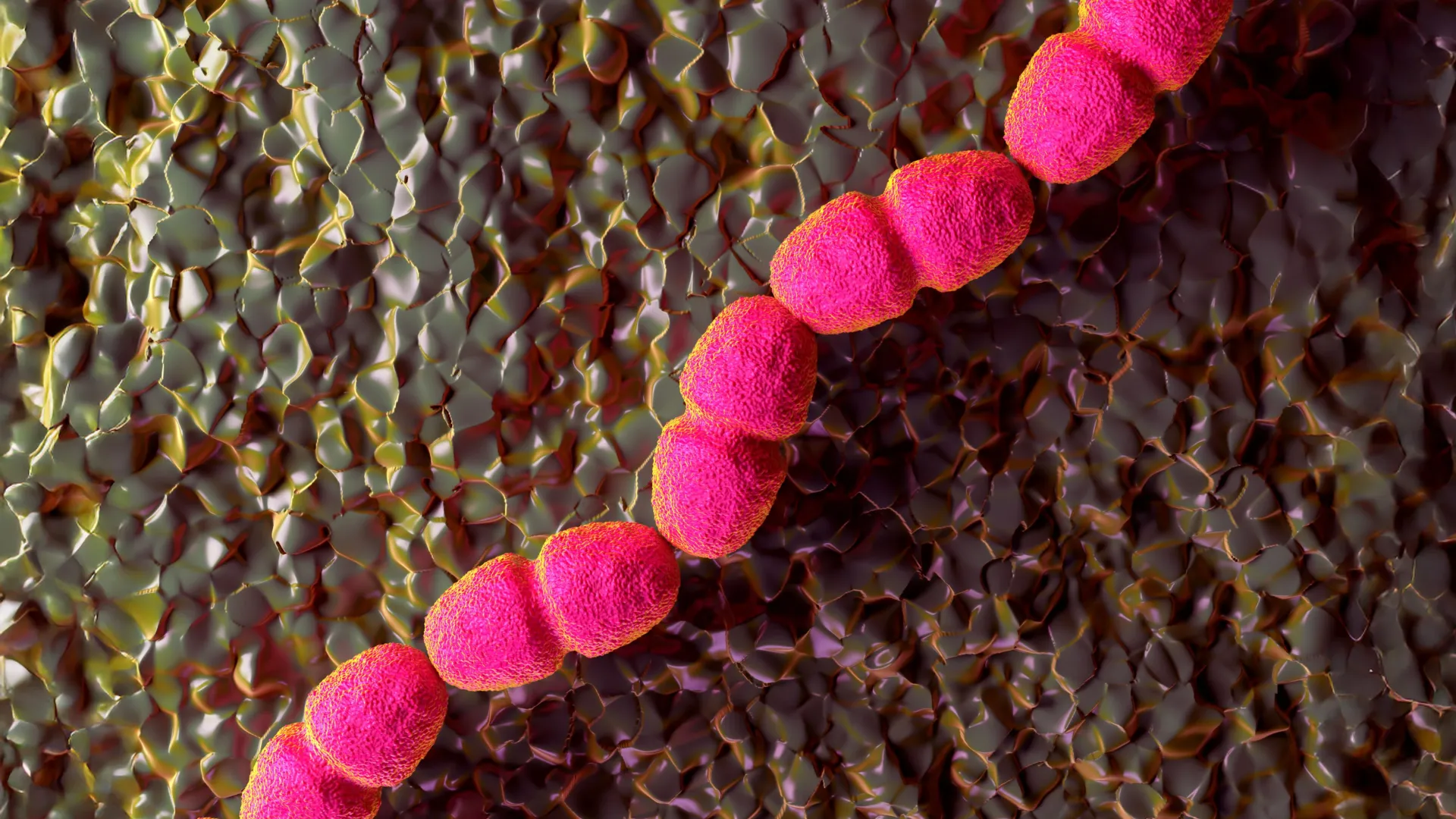
E. faecalis is an opportunistic pathogen frequently isolated from chronic, stalled wounds. Unlike many other bacteria that rely on secreting toxins to damage host tissues, E. faecalis utilizes a more sophisticated, metabolic form of warfare. The research team discovered that the bacterium employs a process known as extracellular electron transport (EET).
Through EET, the bacterium continuously generates hydrogen peroxide—a reactive oxygen species (ROS)—as a metabolic byproduct. In a healthy biological environment, ROS can serve as signaling molecules, but in the context of a chronic infection, the persistent, concentrated presence of hydrogen peroxide acts as a chemical barrier to recovery.
Chronology of a Discovery: From Lab Bench to Breakthrough
The journey to this discovery began with a fundamental question: Why do certain infections cause skin cells to stop functioning, even when the wound is not inherently fatal?
Phase 1: Identifying the Metabolic Culprit
Dr. Aaron Tan, the study’s first author and a Research Fellow at NTU, spearheaded the investigation into the metabolic behavior of E. faecalis. By comparing the behavior of the pathogen against human keratinocytes—the primary cells responsible for re-epithelialization or "skin closing"—the team observed a direct correlation between bacterial metabolism and cellular paralysis.
Phase 2: The Unfolded Protein Response
The research revealed that the hydrogen peroxide produced by E. faecalis induces significant oxidative stress in keratinocytes. Under normal circumstances, these skin cells possess a sophisticated internal defense mechanism called the "unfolded protein response" (UPR).
The UPR is designed to help cells survive acute stress by temporarily pausing protein production and focusing on recovery. However, in the presence of E. faecalis, this response is hyper-activated and hijacked. Instead of a temporary pause, the UPR enters a state of chronic activation, effectively "paralyzing" the cells. This prevents the keratinocytes from migrating to the wound bed, leaving the tissue open and susceptible to further infection.
Phase 3: Validating the Mechanism
To confirm that this metabolic pathway was the root cause, the team utilized a genetically modified strain of E. faecalis that lacked the capability for extracellular electron transport. When these modified bacteria were introduced to the cells, they produced significantly less hydrogen peroxide. Crucially, they lost their ability to block wound healing. This confirmed that the metabolic byproduct, not the bacterium’s presence alone, was the primary mechanism of injury.
Supporting Data and the Antibiotic Dilemma
The rise of antibiotic-resistant bacteria has rendered many standard treatments ineffective. E. faecalis is notorious for its ability to develop resistance to commonly prescribed antibiotics, leaving clinicians with fewer options and increasing the risk of complications such as gangrene and eventual amputation.
The NTU-led study provides a crucial pivot point in this narrative. By demonstrating that the harm is caused by the metabolism of the bacteria rather than just the bacterial load, the researchers suggest that we do not always need to kill the bacteria to restart the healing process.
"Our findings show that the bacteria’s metabolism itself is the weapon," explains Assoc Prof Thibault. "Instead of focusing on killing the bacteria with antibiotics, which is becoming increasingly difficult and leads to future antibiotic resistance, we can now neutralize it by blocking the harmful products it generates."
Official Responses and Implications for Future Care
The research team’s approach is elegant in its simplicity: treat the environment, not just the pathogen. By introducing catalase—a naturally occurring antioxidant enzyme capable of breaking down hydrogen peroxide—the researchers successfully neutralized the oxidative stress in the lab-grown skin cells.
Once the hydrogen peroxide levels were managed, the keratinocytes regained their mobility and resumed the healing process. This suggests that the clinical application of antioxidant-infused wound dressings could be a game-changer.
Clinical Potential
Because catalase is a well-understood, naturally occurring enzyme, the path toward clinical application is significantly shorter than that of a new drug or antibiotic. The researchers believe that by integrating antioxidants into existing wound care materials, they can create a "pro-healing" environment that allows the body to fight off infection while simultaneously repairing damaged tissue.
"We are essentially shifting the strategy," says Professor Kimberly Kline. "Instead of targeting the source, we neutralize the actual cause of the chronic wounds—the reactive oxygen species."
Moving Forward: The Road to Clinical Trials
The findings hold profound implications for the treatment of diabetic foot ulcers and other chronic conditions. By shifting the focus from "killing" to "healing," this methodology offers a potential shield against the rising tide of antibiotic resistance.
The next steps for the research team involve transitioning these laboratory successes into animal models to determine the most effective delivery systems for these antioxidants. Once safety and efficacy are established in these models, the team intends to move toward human clinical trials.
If successful, this strategy would provide clinicians with a powerful, accessible, and safe tool to manage chronic wounds, potentially saving thousands of patients from the life-altering consequences of non-healing infections. As the global healthcare system looks for innovative solutions to the silent epidemic of chronic wounds, the work of the NTU-led team stands as a beacon of progress—a testament to the power of understanding fundamental biology to solve complex medical challenges.
References:
- [1] Global incidence data on diabetic foot ulcers and lower-limb amputation statistics.
- [2] National health data regarding chronic wound prevalence in Singaporean elderly and diabetic populations.
- Study Source: Science Advances, "Extracellular electron transport by Enterococcus faecalis disrupts host wound healing," led by NTU Singapore and the University of Geneva.