










By Medical News Desk
August 3, 2026
In a somber development for public health officials, the Michigan Department of Health and Human Services (MDHHS) announced on Monday that two individuals have died following infections related to the ongoing nationwide Cyclospora outbreak. These fatalities represent the first confirmed deaths in the United States associated with the microscopic parasite, marking a grim milestone in what has become one of the most significant foodborne illness surges in recent memory.
While the Centers for Disease Control and Prevention (CDC) maintains that cyclosporiasis is "rarely deadly," these recent deaths underscore the serious risks the pathogen poses, particularly to vulnerable populations with underlying health conditions. As the investigation into the outbreak continues to widen, federal and state agencies are struggling to contain a parasite that has now affected more than 20,000 individuals across the country.
The Current Crisis: Facts and Clinical Context
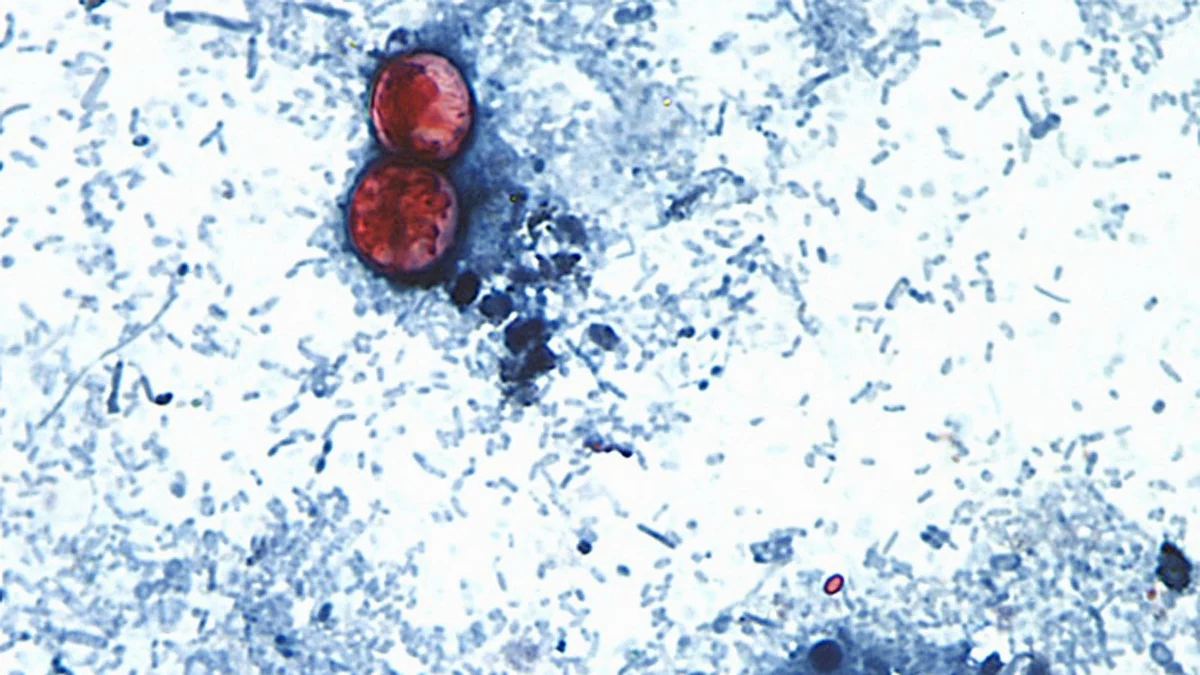
Cyclosporiasis is an intestinal illness caused by the consumption of food or water contaminated with the Cyclospora cayetanensis parasite. Unlike many other foodborne pathogens, Cyclospora is not a bacterium or a virus; it is a single-celled protozoan. Once ingested, the parasite infects the small intestine, leading to symptoms that can be debilitating.
The hallmark of the illness is sudden, watery diarrhea, which is often described by patients as "frequent and sometimes explosive." Other common symptoms include loss of appetite, weight loss, severe stomach cramps, bloating, nausea, and fatigue. While most healthy individuals recover within a few weeks, the severity of the diarrhea often leads to profound dehydration—a complication that appears to have played a decisive role in the recent Michigan fatalities.
The MDHHS confirmed that both deceased individuals suffered from pre-existing health complications that were exacerbated by the infection. Out of respect for the families, the department has declined to release further details, but the incident has served as a wake-up call for public health officials monitoring the current, massive surge in cases.
A Chronology of the Surge
The current outbreak is part of a troubling trend that has seen Cyclospora cases skyrocket over the last decade. For many years, the parasite was considered a rare, travel-associated illness, typically contracted in tropical regions. However, starting around 2013, the U.S. began witnessing a shift, with domestic outbreaks becoming more frequent.
The 2018–2019 Turning Point
The years 2018 and 2019 served as a warning sign for epidemiologists. In 2019 alone, the U.S. reported approximately 4,700 cases, the highest count on record at the time. This period marked a transition from isolated, small-scale incidents to large, multi-state outbreaks linked to fresh produce distribution networks.
The 2026 Outbreak Timeline
- Late Spring 2026: Public health surveillance systems began detecting an anomalous spike in gastrointestinal illness reports across multiple states, primarily in the Midwest and South.
- Early July 2026: The CDC, in coordination with the FDA, identified a specific vector: lettuce imported from Mexico and distributed to Taco Bell locations across nine states.
- Late July 2026: The case count linked directly to the Taco Bell-associated lettuce reached 1,947, with at least 98 hospitalizations.
- August 3, 2026: Michigan health officials confirm the first two U.S. deaths associated with the current outbreak, prompting a heightened alert level for hospitals and primary care providers nationwide.
Supporting Data: By the Numbers
The scale of the current outbreak is unprecedented. While the CDC has officially confirmed over 18,000 cases, experts suggest this is likely a significant undercount. Because Cyclospora testing is not always standard in routine stool cultures, and because many people recover without seeking medical attention, the actual incidence rate is estimated by state-level data to exceed 20,000 cases.
Breakdown of the 2026 Surge:
- Total Suspected/Confirmed Cases: 20,000+ (nationwide).
- Taco Bell-Linked Cases: 1,947.
- Hospitalization Rate (Linked Group): Approximately 5%.
- Geographic Reach: Multi-state, with clusters specifically identified in the Midwest.
The disparity between CDC figures and state-level data is common in large outbreaks. As states process laboratory results and epidemiological interviews, there is a natural "reporting lag" before the federal agency can officially update its national tally.
Official Responses and Investigative Challenges
The CDC and the Food and Drug Administration (FDA) are currently engaged in a complex traceback investigation. Tracing Cyclospora is notoriously difficult because the parasite is extremely resilient and the supply chains for fresh produce—such as lettuce, cilantro, and berries—are highly fragmented.
The Challenge of Traceability
The parasite thrives in hot, humid climates and is typically spread through feces-contaminated irrigation water. Because Cyclospora is microscopic and does not alter the appearance or taste of the produce it infects, it is virtually impossible to detect without sophisticated laboratory testing.
In the case of the current Taco Bell-linked outbreak, federal officials were able to identify the source through a combination of patient interviews and supply chain records. However, the CDC has warned that this is likely not the only source of the infection. "We are monitoring other brands, restaurants, retailers, and distribution channels," a CDC spokesperson noted. "As the investigation continues, it is highly probable that we will identify additional vectors."
Broader Implications for Food Safety
The emergence of Cyclospora as a major public health threat raises significant questions about the safety protocols governing imported fresh produce.
The Climate Connection
Some infectious disease experts suggest that changing global weather patterns, which have led to increased heat and flooding in regions where produce is grown, may be creating more favorable environments for the parasite. As temperatures rise, the survival rate of the protozoan in the environment increases, leading to higher levels of contamination in water sources used for crop irrigation.
Policy and Industry Shifts
The reality of the first U.S. deaths linked to this parasite may catalyze new regulatory actions. Currently, the FDA’s Produce Safety Rule aims to prevent contamination, but critics argue that enforcement and testing standards for imported produce must be drastically modernized.
- Enhanced Surveillance: Public health departments are calling for more robust, real-time testing capabilities to detect outbreaks earlier in the cycle.
- Supply Chain Transparency: Large restaurant chains are under increasing pressure to implement "farm-to-fork" tracking systems that allow for the immediate isolation of contaminated batches before they reach the consumer.
- Public Awareness: The CDC is emphasizing that while the risk of death is low, the potential for severe, lingering illness is significant. Consumers are advised to thoroughly wash all leafy greens, though health officials note that even vigorous washing is not 100% effective at removing Cyclospora.
Clinical Management
For clinicians, the primary takeaway from the recent deaths is the importance of timely diagnosis. Physicians are being urged to consider Cyclospora in any patient presenting with persistent, watery diarrhea, especially if symptoms last for more than a week. The standard treatment—a specific course of antibiotics (typically trimethoprim-sulfamethoxazole)—is highly effective if administered promptly, which can prevent the severe dehydration that leads to more catastrophic outcomes.
As the summer continues, the medical community remains on high alert. The tragic loss of life in Michigan has transformed the perception of this outbreak from a public nuisance to a critical public health emergency, demanding renewed vigilance from the food industry, regulatory agencies, and the public alike.