






For many home cooks, butter is not just an ingredient; it is a culinary foundation. Whether it is smeared across a warm slice of sourdough, whipped into mashed potatoes, or folded into the delicate layers of a nut roll, butter provides a depth of flavor and texture that is synonymous with comfort. Yet, in the aisles of the modern grocery store, butter sits alongside a myriad of margarine options, leading many consumers to wonder if the choice is merely a matter of preference or a significant nutritional and functional decision.
As a food scientist, I have spent my career unraveling the microscopic mysteries of these kitchen staples. While both butter and margarine serve the same basic purpose—providing fat for cooking and baking—they are chemically distinct entities that behave in vastly different ways once they hit the heat of your oven or the chill of your refrigerator.
The Chemistry of Fat: A Molecular Comparison
To understand the difference between butter and margarine, one must look at them as emulsions—complex, stable mixtures of tiny water droplets suspended throughout a continuous matrix of fat. Both products are essentially comprised of at least 80% fat, with water content hovering around 16%. However, the origin and structure of those fats are where the divergence begins.
Triglycerides and Fatty Acids
The primary component of both substances is the triglyceride. Imagine a three-carbon glycerol molecule acting as a backbone, with three long chains of fatty acids attached to it. While the backbone remains constant, the fatty acids themselves can vary in length and structure.
In butter, which is derived from animal cream, the fatty acids are predominantly saturated. Because saturated fats lack double bonds between their carbon atoms, they remain straight and linear. This molecular uniformity allows them to stack neatly and compactly, which is why butter remains firm at room temperature and possesses a distinct crystalline structure.
Margarine, by contrast, is typically crafted from plant-based oils. These oils are rich in unsaturated fatty acids. On a molecular level, these fatty acids contain double bonds, which introduce “kinks” into their structure. These irregular shapes prevent the molecules from stacking neatly, resulting in a fat matrix that behaves differently during the melting process.
A Chronology of Culinary Evolution
The history of these fats is a tale of innovation born from necessity and scientific advancement.
The Rise of Butter
Butter production is a practice that dates back millennia. Historically, it was the result of manual labor: shaking or churning cream until the fat globules ruptured. As the cream is agitated, the fat escapes its membrane, forming semi-solid grains that eventually separate from the watery byproduct known as buttermilk. Once these grains are collected, kneaded, and pressed, the result is the golden, creamy substance we recognize as butter.
Over time, this process was refined. Some producers began “culturing” butter by introducing lactic acid bacteria. These microscopic agents ferment the lactose (milk sugar) in the cream, producing flavor compounds and organic acids that impart the signature tangy, complex flavor profile found in high-end European-style butters.
The Invention of Margarine
Margarine emerged as a 19th-century industrial solution to butter shortages. Initially, it was an animal-fat-based product, but it eventually transitioned to plant-based oils. The challenge for early producers was turning liquid oil into a solid stick. This led to the development of “interesterification,” a sophisticated process that chemically rearranges the fatty acids on the glycerol backbone.
This modern method allows manufacturers to create a solid, shelf-stable product without the need for the hydrogenation process that historically produced harmful trans fats. By controlling the arrangement of the fatty acids, producers can engineer margarines that have precise melting points and consistent textures.
Supporting Data: Composition and Standards
The U.S. government maintains strict regulations regarding what can be labeled as "butter." These standards of identity are among the oldest in the country, ensuring that a product labeled as butter meets a minimum 80% fat threshold, with many premium versions reaching up to 85%.
Nutritional and Structural Breakdown
- Butter: Composed of fat, water, and 1–4% minor components, including vitamins, minerals, lactose, and milk proteins. Its golden hue is a natural result of beta-carotene, a pigment derived from the grass consumed by the cow. Because cows do not metabolize all the beta-carotene in their diet, it is expressed directly into their milk.
- Margarine: Naturally colorless, margarine relies on added synthetic beta-carotene to achieve a "buttery" look. Producers also add a cocktail of emulsifiers—such as lecithin or monoglycerides—to maintain the emulsion, alongside preservatives and flavorings like diacetyl to mimic the aroma of true butter.
Official Perspectives and Regulatory Standards
The food industry is heavily regulated to ensure consumer safety and product consistency. However, the line between "traditional" and "processed" remains a point of contention.
The American Butter Institute and other dairy advocacy groups have long campaigned for clear labeling, arguing that the term "butter" should be reserved strictly for dairy-based products. They emphasize that while margarine can mimic the functional properties of butter, it is fundamentally an "ultraprocessed" food.
From a regulatory standpoint, there is a lack of transparency regarding the manufacturing process of margarines. For example, producers are not currently required to disclose on the packaging whether their product has undergone interesterification. This lack of information makes it difficult for health-conscious consumers to differentiate between simple plant-based blends and highly modified fat structures.
Implications for the Home Baker
When deciding between butter and margarine, the choice should be driven by the chemistry of the desired outcome.
The Browning Factor
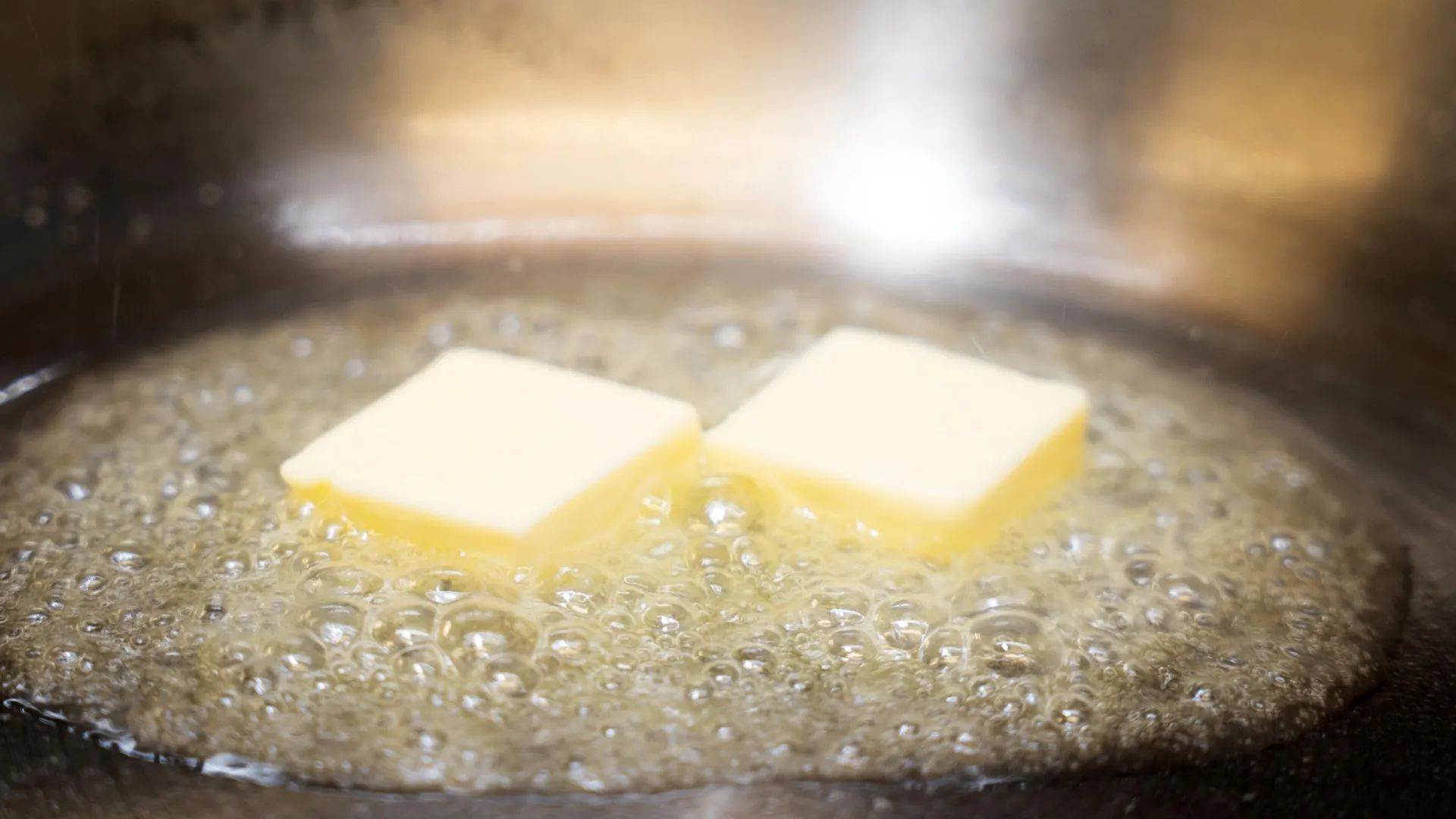
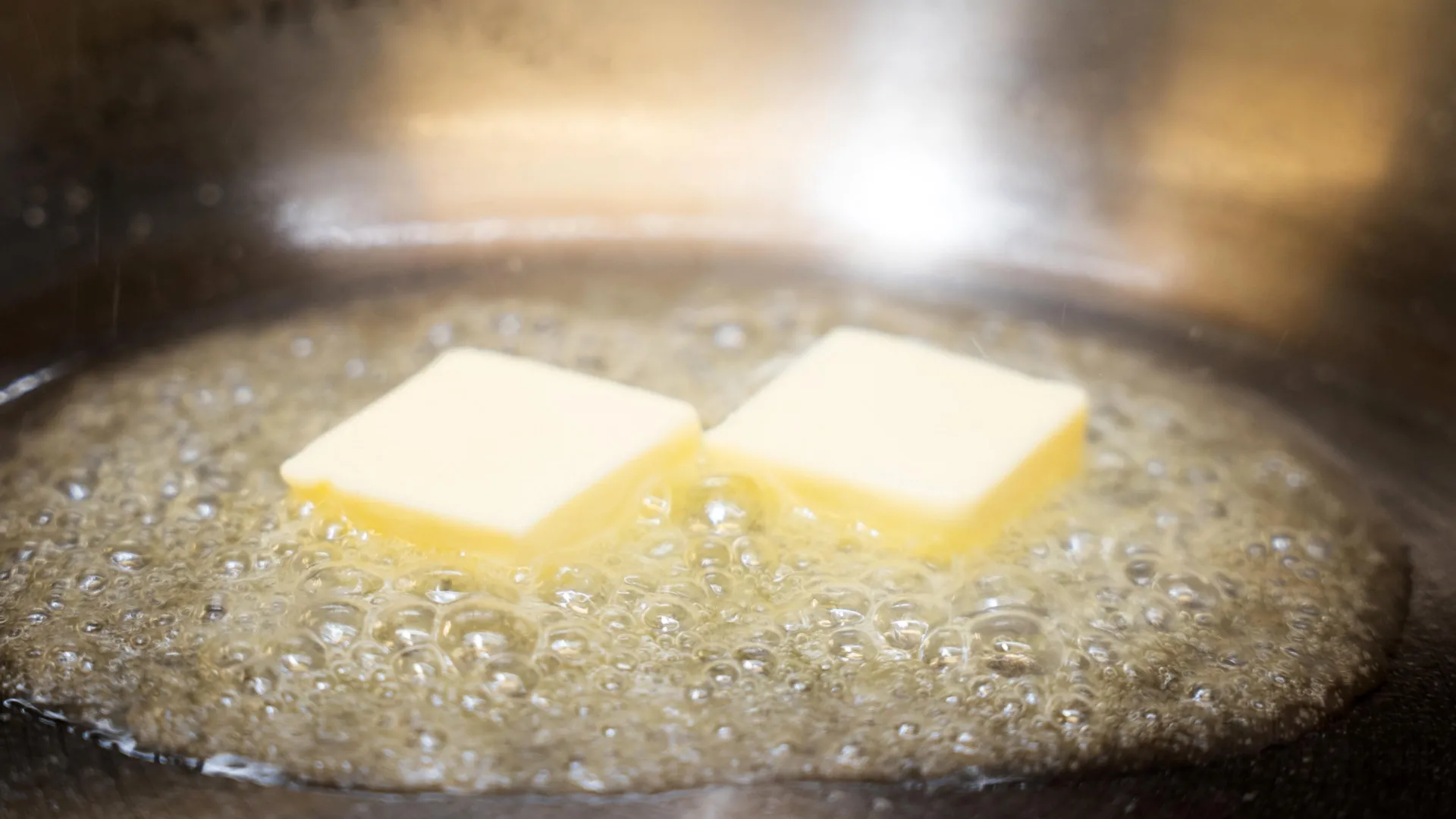
One of the most significant differences arises when heat is applied. Butter contains milk proteins and lactose, which undergo the Maillard reaction—a chemical process that browns the fat and creates a nutty, caramelized aroma. Margarine, lacking these proteins and sugars, does not brown in the same way, resulting in a flatter flavor profile.
Texture and Steam
In baking, butter is a master of structure. When incorporated into doughs for pastries or biscuits, the water content in butter creates steam as it evaporates in a hot oven. This steam pushes against the layers of dough, creating the flaky, airy texture iconic to croissants and puff pastry. While margarine contains water, its behavior under heat is less predictable, often leading to a lack of the "lift" and crispness provided by butter.
Shelf Life and Consistency
Where margarine holds the advantage is in consistency and shelf life. Because it is manufactured with precise control over its melting point, margarine stays solid at higher temperatures, which can be beneficial in certain professional kitchen environments. Furthermore, its stability ensures a longer shelf life compared to the more perishable nature of dairy butter.
Conclusion: Choosing Your Fat
Ultimately, the choice between butter and margarine is not merely about health or price—it is a functional decision. If your goal is to create a masterpiece of flavor, such as a batch of brown-butter cookies or a classic French pastry, the chemistry of butter is difficult to replicate. The natural presence of lactose and the structural integrity of its saturated fats provide nuances that synthetic alternatives struggle to emulate.
However, for those seeking a spreadable fat for everyday use, or a product with a longer shelf life and a more consistent texture, modern margarines offer a convenient, technologically advanced solution. By understanding the underlying science of how these fats are built and how they react to the heat of your kitchen, you can make informed decisions that elevate your cooking from the ordinary to the extraordinary.