









In the modern fitness landscape, the allure of the high-tech gym—filled with rows of selectorized machines and specialized cables—is undeniable. For many, the gym represents a sanctuary of controlled resistance. However, as we cross the threshold into our 50s and beyond, the philosophy of "bigger is better" often gives way to a more nuanced goal: functional longevity.
According to leading fitness experts, if your objective is to build a stronger, more resilient posterior chain, you might actually be better off stepping away from the machines and focusing on standing, gravity-based movements. By ditching the seat, you force your body to engage its natural stabilization systems, leading to better balance, bone density, and a more sculpted physique.
The Core Philosophy: Why Machines Aren’t Always the Answer
While gym machines are effective at isolating specific muscle groups, they often come with a hidden trade-off: they remove the "stabilizer" requirement. When you use a leg press machine, your back is supported and your path of motion is fixed. This allows you to push significant weight, but it does not demand the same level of neurological integration as a free-standing squat or lunge.
Jacob Siwicki, founder of Siwicki Fitness, an NCSF and AFAA certified expert, and a former elite group fitness instructor, notes that the sedentary nature of traditional weight machines is a missed opportunity for total-body health.
"Gym machines can absolutely build lower-body strength, but most of them lock you into one track and take balance out of the exercise," says Siwicki. "A leg press lets you push a lot of weight, but it does not ask your feet, ankles, hips, and core to stabilize you. The hip abductor machine works the side glutes, but you are sitting down while doing it."
Siwicki emphasizes that standing exercises train the glutes in the way we actually utilize them in daily life—climbing stairs, navigating uneven terrain, getting out of a chair, and maintaining balance while walking. By prioritizing standing work, you gain "real-world strength" that carries over far beyond the confines of the weight room.
Supporting Data: The Case for Functional Training
The shift toward functional, standing-based training is supported by a growing body of exercise science research. Studies consistently show that as we age, the ability to maintain balance and core stability is as critical as raw muscle power.
When you perform a standing exercise, your body must recruit the deep core musculature—the transverse abdominis and the obliques—to keep you upright. Furthermore, weight-bearing exercises performed while standing place a mechanical load on the skeletal system, which is a primary driver for maintaining and increasing bone mineral density. This is particularly vital for populations over the age of 50, who are at an increased risk of osteopenia and sarcopenia (the age-related loss of muscle mass).
By removing the chair, you transform a simple strength movement into a compound, full-body integration exercise. You aren’t just training the glutes; you are training the nervous system to coordinate the ankles, knees, hips, and core simultaneously.
The Essential Toolkit: 5 Movements for Glute Development
If you are ready to trade the machines for functional freedom, these five movements are your new blueprint. They require no bulky equipment, just a commitment to form and consistency.
1. The Classic Squat
The squat is the king of lower-body exercises. By requiring your body to lower its center of gravity and return to a standing position, you activate the gluteus maximus, quadriceps, and hamstrings in a single, fluid motion. To maximize the impact on your glutes, focus on driving through your heels and keeping your chest upright.
2. Reverse Lunges
Unlike forward lunges, which can place significant stress on the patellar tendon, reverse lunges are generally more knee-friendly. They require greater balance and force the glutes to act as the primary stabilizers for the moving leg. Stepping back allows you to hinge slightly at the hips, creating a deep stretch in the gluteal muscles that encourages hypertrophy (muscle growth).
3. Standing Hip Extensions
Often performed at a cable machine, this can be done effectively with just your own body weight or a light resistance band. By standing on one leg and extending the other leg backward, you isolate the glutes without the assistance of the quadriceps. This is an excellent "finisher" move to achieve the mind-muscle connection required for a firm, sculpted appearance.
4. Single-Leg Romanian Deadlifts (RDLs)
The single-leg RDL is the ultimate test of balance and hamstring/glute strength. By shifting the entire load onto one leg, you force the smaller, stabilizing muscles in the hip to fire rapidly. This movement not only sculpts the glutes but significantly improves your proprioception, which is the body’s ability to perceive its own position in space—a skill that naturally declines with age.
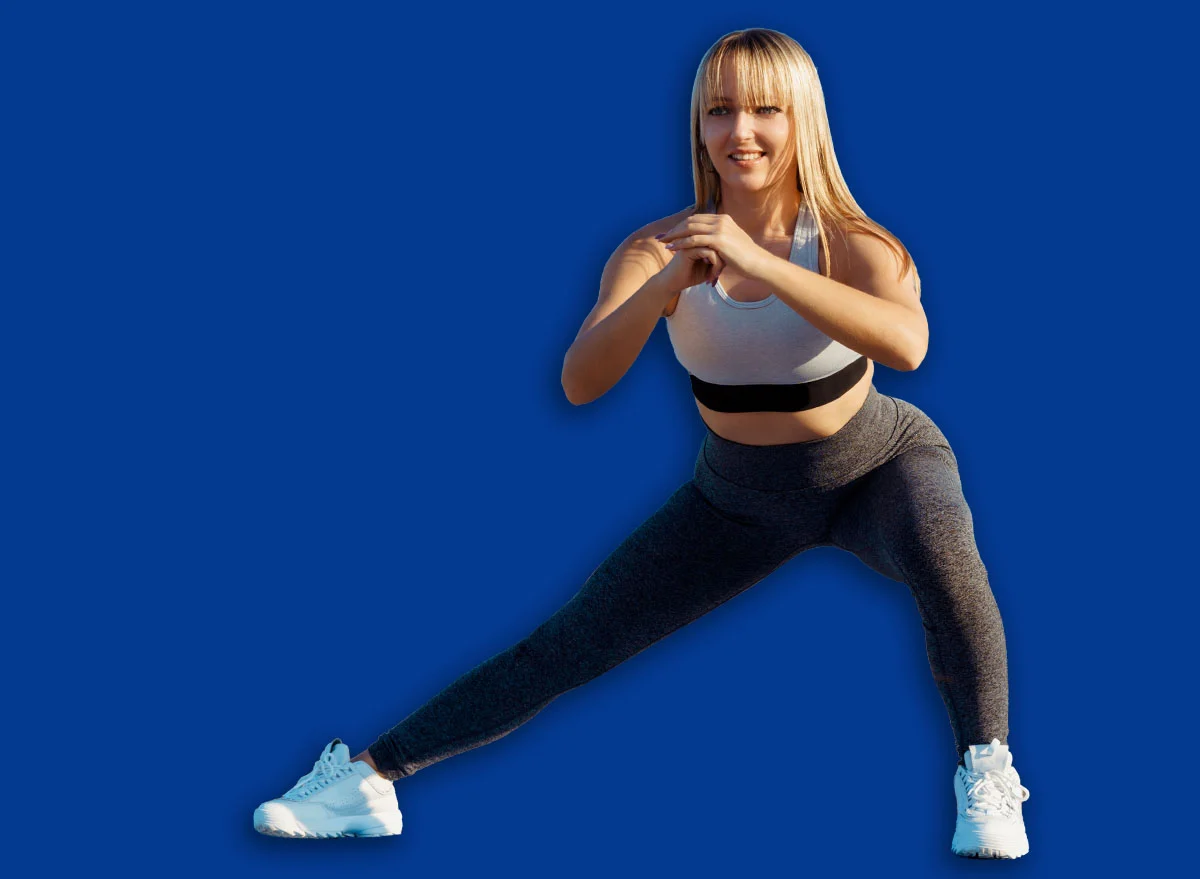
5. Lateral Step Squats
Most gym machines move in a single plane: forward and back. However, human movement is multi-dimensional. Lateral (side-to-side) training targets the gluteus medius—the muscle responsible for hip stability and the "shelf" look of the upper glutes. By stepping laterally and dropping into a squat, you engage muscles that are often completely ignored by standard leg presses and extensions.
Implications for Longevity and Lifestyle
The implications of adopting a standing-based workout routine are profound. By training in a way that mimics real-world movement, you are essentially "future-proofing" your body.
1. Increased Autonomy: By building functional strength in the glutes and core, you improve your ability to perform daily tasks without assistance as you age.
2. Fall Prevention: Improved balance and ankle stability are the most effective defenses against falls, which are a leading cause of injury in older adults.
3. Metabolic Efficiency: Because standing exercises require more coordination and recruit more muscle fibers simultaneously, they are often more metabolically demanding than machine-based exercises, helping to manage body composition more effectively.
Final Expert Recommendation
Transitioning to a standing-only routine does not mean you have to abandon intensity. In fact, many find that the increased complexity of these movements allows them to achieve a higher "quality" of fatigue in a shorter period.
"The goal is not to eliminate challenge, but to ensure that the challenge is meaningful," Siwicki explains. "If you are standing, you are working. If you are balancing, you are working. If you are moving through a full range of motion, you are building a body that is ready for anything the world throws at it."
Whether you are a fitness enthusiast looking to break a plateau or someone beginning their wellness journey at 50, remember that the most effective tool in your gym isn’t a piece of iron—it’s your own body. By prioritizing these five standing moves, you will build a stronger, more sculpted, and significantly more functional posterior chain that serves you for decades to come.
Consistency is the final key. Aim to incorporate these movements into your routine three to four times per week, focusing on slow, controlled repetitions to ensure that your glutes are doing the heavy lifting, not your momentum. The result will be a more capable, confident, and sculpted you.