January 11, 2026
In the rapidly evolving landscape of modern medicine, the intersection of artificial intelligence (AI), diagnostic imaging, and molecular biology is creating new frontiers for respiratory health. Recent research published in leading medical journals has highlighted three significant developments that promise to reshape how clinicians identify, monitor, and treat pulmonary conditions ranging from chronic obstructive pulmonary disease (COPD) to life-threatening infections in the intensive care unit (ICU).
1. AI-Powered ECGs: A New Horizon for COPD Screening
Chronic Obstructive Pulmonary Disease (COPD) remains one of the leading causes of morbidity and mortality worldwide, yet it is notoriously underdiagnosed. Many patients remain unaware of their condition until the disease has progressed to an advanced stage. A groundbreaking study from the Mount Sinai Health System suggests that a ubiquitous clinical tool—the electrocardiogram (ECG)—could be the key to early detection.
The Methodology: Harnessing Big Data
The research team embarked on a massive data-mining project, analyzing 208,231 ECGs from 18,225 patients diagnosed with COPD across five Mount Sinai hospitals. To ensure the robustness of their findings, they compared these against 552,771 ECGs from a control group of 59,356 individuals matched for age, sex, and race.
By feeding this expansive dataset into a Convolutional Neural Network (CNN)—a type of deep learning model specialized for pattern recognition—researchers trained the AI to identify subtle, non-obvious signatures of COPD embedded within the electrical signals of the heart.
Chronology and Validation
The study progressed through a rigorous three-tiered validation process:
- Internal Testing: The model was initially calibrated on internal data to establish baseline performance metrics.
- External Validation: The model was then tested on independent populations to ensure its generalizability across different clinical settings.
- Refined Validation: A final cohort of 258 confirmed COPD cases and 1,290 matched controls was used to stress-test the model’s real-world diagnostic accuracy.
Implications for Clinical Practice
While the researchers are clear that ECGs will never replace spirometry—the gold standard for lung function testing—they argue that AI-enhanced ECG interpretation serves as an ideal opportunistic screening tool.
"Earlier recognition may facilitate timely smoking cessation, targeted therapies, and pulmonary rehabilitation," the authors noted in eBioMedicine. By identifying COPD during routine heart checks, healthcare providers could potentially slow disease progression, reduce hospital readmissions, and significantly lower the systemic healthcare burden associated with late-stage respiratory failure.
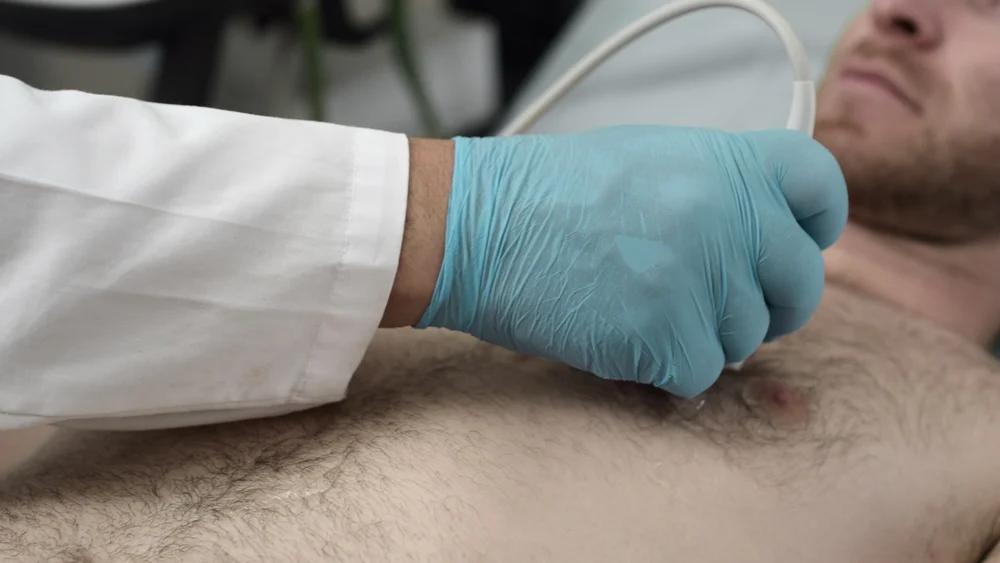
2. Lung Ultrasound: Predicting Extubation Success in Neonates
For very low birth weight (VLBW) infants, the transition from mechanical ventilation to independent breathing is a high-stakes clinical event. Failed extubation can lead to prolonged hospitalization, increased risk of infection, and long-term developmental challenges. Researchers at the University of Chicago have pioneered a method to predict this success using lung ultrasound (LUS).
The Study Structure
The study followed 45 VLBW infants who had been intubated for respiratory distress syndrome (RDS). Over the course of the study, 53 extubation attempts were monitored. The protocol required a standardized LUS scan three to six hours before each attempt. A "failed extubation" was strictly defined as any infant requiring reintubation within seven days.
Key Data and Findings
The research revealed that the neonatal-adapted LUS score acts as a highly sensitive prognostic tool. By evaluating the aeration status of the infant’s lungs in real-time, clinicians can gain a clearer picture of whether the infant’s pulmonary system is ready for the mechanical load of independent breathing.
Furthermore, the study addressed common clinical questions regarding adjunctive therapies. The findings indicated that dexamethasone treatment—often used to reduce inflammation in the airways—was not associated with lower LUS scores, suggesting that the ultrasound score provides an independent assessment of lung readiness that isn’t masked by pharmaceutical interventions.
The Path Forward
The Journal of Perinatology study suggests that adopting LUS as a routine pre-extubation protocol could provide neonatal intensive care units (NICUs) with a non-invasive, radiation-free method to guide clinical decision-making. By reducing the rate of reintubation, hospitals can minimize trauma to the infants’ fragile airways and expedite the recovery process.
3. Combating Antibiotic Overuse with AI-Driven Diagnostics
The overuse of antibiotics is a global health crisis, particularly in the ICU, where distinguishing between bacterial infections and non-infectious inflammation can be notoriously difficult. A team from the University of California, San Francisco (UCSF), has developed an AI-integrated diagnostic strategy that combines molecular biomarkers with Large Language Models (LLMs) to optimize antibiotic stewardship.
The Diagnostic Strategy: The FABP4 Biomarker
The UCSF team focused on the FABP4 gene, which is expressed in lung fluid. In healthy lung cells, this gene helps temper inflammation. However, in the presence of a lower respiratory tract infection (LRTI), its expression drops significantly.
The researchers combined this molecular data with a generative AI analysis of the patient’s electronic medical record (EMR). The AI parsed complex data points, including radiology reports from chest X-rays and unstructured clinical notes written by the care team.
Performance Metrics
In an observational study of critically ill adults, the model achieved a 96% diagnostic accuracy rate, significantly outperforming the human clinicians who were also tasked with diagnosing the patients.
- Clinical Impact: In many instances where the AI identified a non-infectious cause for the patient’s symptoms, human clinicians had opted to prescribe antibiotics "just in case."
- Antibiotic Stewardship: The researchers concluded that implementing this AI model could reduce inappropriate antibiotic use by over 80%.
Future Directions
Published in Nature Communications, this study serves as a proof-of-concept for the integration of host biomarkers and generative AI. The authors have emphasized that the model is designed to be user-friendly, functioning within a standard HIPAA-compliant GPT-4 interface. The team is currently validating the model for broader clinical use and is actively working to apply the same diagnostic architecture to the detection of sepsis—a condition where every minute of accurate diagnosis counts.
Conclusion: The Synergy of Tech and Medicine
These three studies, published in early 2026, underscore a significant shift in medical philosophy. Whether it is using the heart’s electrical signature to find lung disease, using sound waves to predict infant respiratory success, or utilizing AI to parse the complexities of gene expression and medical records, the objective remains the same: precision.
By leveraging these advanced tools, the medical community is moving away from "one-size-fits-all" diagnostic approaches. As these technologies move from research cohorts to bedside clinical application, the promise of improved patient outcomes, reduced healthcare costs, and more targeted treatments becomes increasingly tangible. The integration of AI and novel diagnostic techniques is no longer a futuristic concept; it is the current trajectory of modern, data-driven medicine.
Key Takeaways for Healthcare Professionals
- COPD Screening: AI-interpreted ECGs offer a pragmatic, scalable method to screen for COPD during standard cardiac evaluations.
- Neonatal Care: Lung Ultrasound (LUS) is an effective, non-invasive predictor of extubation success in the NICU, offering a better alternative to current trial-and-error approaches.
- Antibiotic Stewardship: Combining host-response biomarkers (like FABP4) with LLM analysis can drastically reduce inappropriate antibiotic prescribing, helping to mitigate the rise of antibiotic-resistant bacteria.
As the research matures, the medical community looks forward to the standardization of these tools, ensuring that hospitals everywhere can harness the power of AI to improve the standard of care for respiratory patients.