In the landscape of modern health and fitness, few professionals bridge the gap between rigorous discipline and holistic recovery as effectively as those who have spent decades in the trenches. For one veteran of the industry—a U.S. Army retiree turned wellness expert—the journey from the barracks of Germany in 1988 to the forefront of functional movement was never about personal accolades. Instead, it has been a lifelong commitment to the philosophy that "motion is the lotion." With 26 years of experience as a licensed massage therapist and over three decades as an educator, this professional offers a masterclass in how to sustain a career centered on human potential.
The Path to Professionalism: From Military Roots to Wellness Advocacy
The genesis of this career did not begin in a high-end health club, but rather on a U.S. Army base in Germany. In 1988, while serving as a military leader, the future wellness coach enrolled in a certification through the International School of Aerobic Training (ISAT). At the time, the intention was purely functional: to gain a better understanding of physiology to improve the physical readiness of soldiers.
“Initially, I took the course simply for my own knowledge,” the professional recalls. “As a military leader responsible for physical training, I thought I could apply what I learned to help soldiers improve their fitness.”
What followed was an unexpected transition. By incorporating aerobic training, functional movements, push-ups, and sit-ups into standard PT sessions, the instructor discovered that soldiers were not only performing better but enjoying the process. The impact was immediate and measurable; the innovative approach was even featured in a military newspaper. This early success solidified a realization that would define the next thirty years: movement, when executed with intention, serves as a powerful catalyst for both physical capability and psychological morale.
Chronology of a Career: Integrating Disciplines
As the years progressed, the professional’s scope of practice expanded, creating a comprehensive toolkit that blends high-intensity strength with low-impact recovery. This multidisciplinary approach is built on a foundational belief: no single modality is a silver bullet.
- 1988–1990s: The foundational period, characterized by military fitness and the introduction of aerobics as a core component of conditioning.
- 1990s–2000s: The expansion phase, where the focus shifted toward education in strength training, yoga, and Pilates, and the formal pursuit of a career in massage therapy.
- 2000s–Present: The refinement phase, focusing on the integration of recovery science, functional longevity, and mentorship within the global fitness community.
Today, these disciplines function as pieces of a puzzle. Strength training provides the structural integrity and confidence required for daily life; massage therapy addresses the inevitable wear and tear of an active lifestyle; and yoga and Pilates provide the necessary mobility, breathwork, and postural awareness to keep the body functioning optimally as it ages.
The Philosophy of "Motion is the Lotion"
At the heart of this wellness strategy is a simple, recurring mantra: "Motion is the lotion." This phrase captures the essence of the professional’s approach to aging. A common misconception in the fitness industry—and society at large—is that as one grows older, they must scale back physical activity to protect the body.
The professional argues the exact opposite. “Aging does not mean we stop moving,” they note. “In many ways, we age better because we continue moving.” By viewing strength training as an investment in bone density, metabolic health, and cognitive function, the focus shifts from aesthetic gains to the preservation of independence.
This wisdom was hard-won. Early in their career, the approach was defined by the "no pain, no gain" mentality common to military culture. Through the personal experience of endurance sports—including marathons, ultramarathons, and triathlons—the professional suffered through physical setbacks like heel spurs and knee issues. These injuries served as a pivot point. The focus transitioned from "doing more" to "doing what is appropriate." Today, the philosophy is centered on sustainability, prioritizing recovery, proper breathing, and, most importantly, listening to the body’s signals.
The Human Element: Why Empathy Trumps Expertise
While technical knowledge is the backbone of the fitness profession, the human element remains its soul. After 26 years of practice, the takeaway for fellow fitness professionals is profound: "People may forget what you taught, but they will never forget how you made them feel."
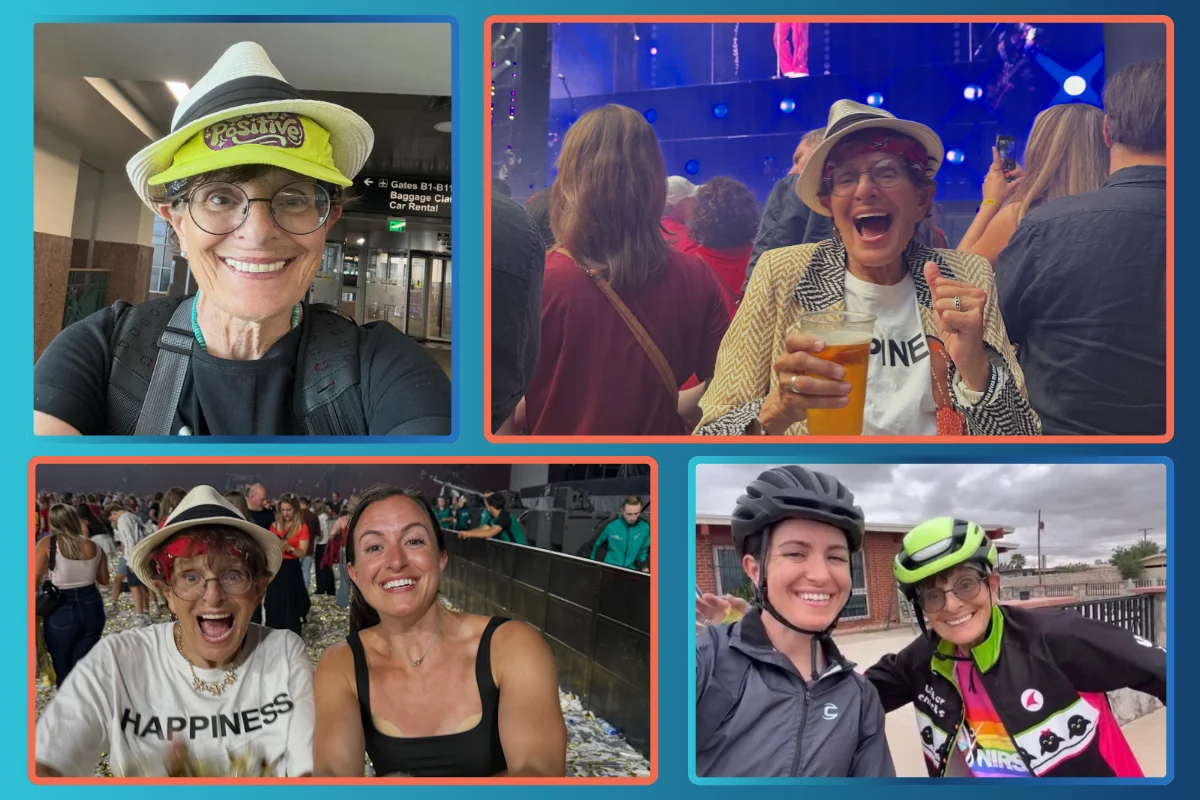
This focus on the emotional and mental aspects of health is what drives the professional’s daily routine. Whether through a group fitness class or a private massage session, the goal is to cultivate an environment where clients feel seen, heard, and empowered. The use of inspirational messaging—such as "Never Conform, Transform"—is not merely a branding choice; it is a pedagogical tool. By creating a space of unwavering positivity, the instructor allows clients to dismantle the mental barriers that prevent them from achieving physical progress.
Community and Contribution: The IDEA Connection
A career in fitness is only as robust as the community that supports it. For over 30 years, the professional has been a stalwart member of the IDEA Health & Fitness Association. This involvement has been a cornerstone of their professional development, providing a bridge between individual practice and the collective wisdom of the global fitness industry.
Volunteering at IDEA conferences provided more than just networking opportunities; it allowed the professional to work closely with visionaries like Peter and Kathie Davis, and to learn from industry leaders such as Lawrence Biscontini and Petra Kolber. These experiences reinforced the value of lifelong learning. “There is always something new to learn and someone new to inspire,” the professional says.
The volunteer experience, which has been described by peers as a "force of lightning," reflects a spirit of service. It highlights a critical implication for the industry: the most successful professionals are those who remain humble enough to serve and hungry enough to grow, regardless of their tenure.
Implications for Future Wellness Professionals
The trajectory of this 26-year career offers several key implications for the next generation of wellness coaches:
- Intentionality over Intensity: Fitness is not a contest of endurance. Sustainability requires a balanced approach where recovery and mobility are given the same weight as high-intensity training.
- The Multi-Disciplinary Edge: The most effective wellness plans are those that integrate different modalities. A trainer who understands the mechanics of massage or the flow of yoga is significantly better equipped to handle the unique needs of a diverse clientele.
- The Power of Community: Professional isolation is the enemy of longevity. Engaging with organizations like IDEA fosters a culture of mentorship and keeps practitioners abreast of the latest research.
- The "Why" Matters: Physical results are fleeting, but the confidence gained through exercise is permanent. Professionals who focus on building self-efficacy in their clients will see higher retention and more profound life changes.
A Legacy of Moving Forward
As this veteran looks back on a career spanning the military, group fitness, and clinical bodywork, the underlying message remains clear: the journey is never finished. Retirement from the military did not mark the end of the mission; it merely changed the theater of operations.
Guided by the motto "Echa Pa’lante y No Para Atrás"—Keep Moving Forward and Don’t Look Back—this professional continues to serve as an example of what is possible when one treats fitness as a lifestyle rather than a task. Whether it is through the gentle instruction of a Pilates class or the therapeutic touch of a massage session, the focus remains the same: helping others discover that their bodies are capable of far more than they realize.
In a world that often emphasizes quick fixes, this dedication to the long game—to health, to consistency, and to the unwavering belief in human potential—stands as a beacon for those who wish to make wellness their life’s work. The career of this professional is not just a collection of certifications or years of service; it is a testament to the idea that if you help people move better, you help them live better. And that, ultimately, is the greatest success story of all.