









The history of oncology was irrevocably altered in 1976 when German virologist Harald zur Hausen, MD, DSc, dared to challenge the prevailing medical orthodoxy. At the time, the scientific community largely attributed cervical cancer to the herpes simplex virus. Dr. zur Hausen, however, hypothesized that human papillomavirus (HPV) was the true culprit. Seven years later, he validated this theory, demonstrating that HPV genetic material was integrated directly into the DNA of cervical cancer cells.
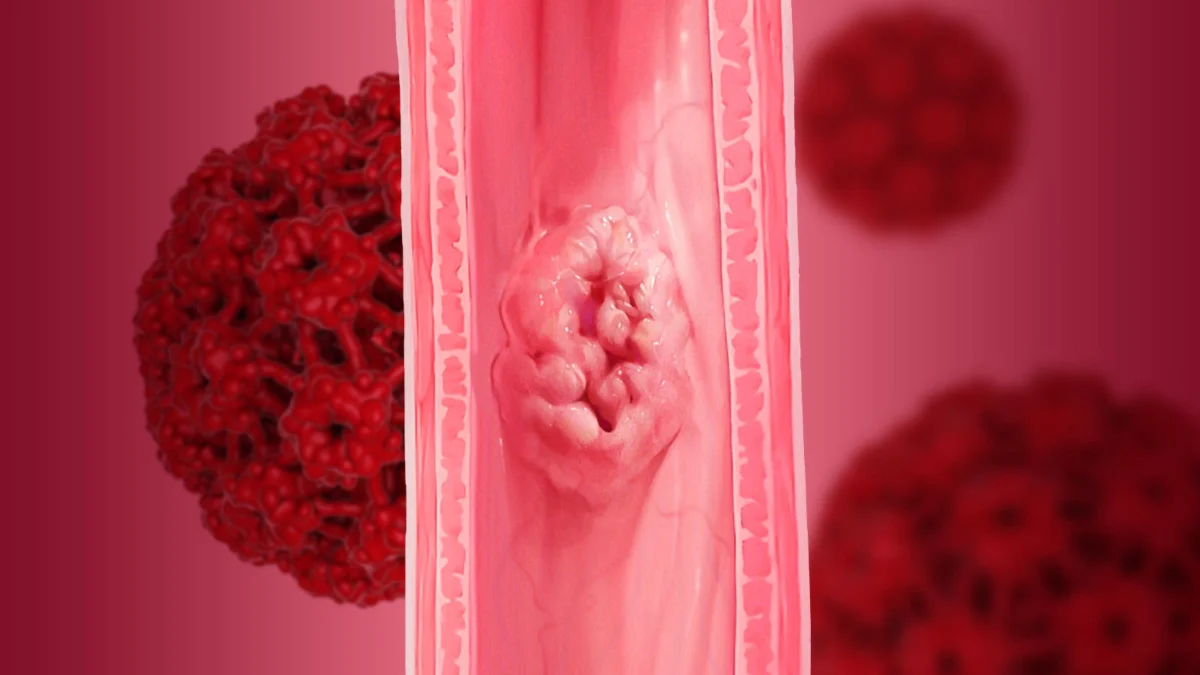
This monumental discovery paved the way for a paradigm shift in how we understand viral oncology. We now know that HPV is the primary driver not only of cervical cancer but also of anal, penile, vulvar, vaginal, and oropharyngeal malignancies. Yet, as the medical community looks toward the next frontier of cancer prevention, a nagging question remains: does this pervasive virus also play a role in the development of esophageal cancer?
A History of Viral Suspicion
The journey to understand the relationship between HPV and esophageal cancer has been marked by inconsistent data and geographic disparity. While HPV is a well-established carcinogen in squamous cell tissues, its potential role in esophageal adenocarcinoma (EAC)—the predominant histologic subtype in the United States—remains a subject of intense academic debate.
The suspicion that HPV might colonize the esophagus stems from its known affinity for mucosal surfaces. Some patients diagnosed with esophageal cancer test positive for HPV, leading researchers to investigate whether the virus acts as a trigger in the gastrointestinal tract, similar to its role in anal or colorectal cancers.
However, the scientific landscape is complicated by widely varying estimates of prevalence. Recent reviews have cited HPV positivity rates in U.S.-based esophageal adenocarcinoma cases ranging from 13% to 35%. Other, older systematic reviews—often drawing from smaller, international cohorts—have reported findings as high as 93%. This statistical volatility suggests that either the detection methods are inconsistent or that the virus plays a vastly different role depending on the environmental and genetic background of the patient.
The Global Disconnect: Asia vs. The West
One of the primary challenges in determining the viral etiology of esophageal cancer is the stark difference in global incidence rates. According to the American Cancer Society, the U.S. expects roughly 22,530 new diagnoses of esophageal cancer in 2026. Conversely, the global incidence of the disease exceeds 500,000 cases annually, with a disproportionately high burden concentrated in Asia.
Because much of the foundational research on HPV and esophageal cancer originates in Asia, where the disease prevalence is significantly higher, clinicians in the West must be cautious when interpreting the data. Allan Lima Pereira, MD, PhD, of the Moffitt Cancer Center in Tampa, Florida, suggests that the incidence of HPV-positive esophageal cancer in the U.S. is likely far lower than international data might imply.
"If HPV has any relationship in terms of causing esophageal cancers [in the U.S.], this would be in the low single digits," Dr. Pereira stated. "It would be far below the 20% that is often cited from Asian studies."
Piecing Together the Biological Puzzle
While a definitive causal link remains elusive, several lines of evidence continue to intrigue researchers. The case for a viral role in esophageal malignancy is built upon a mosaic of biological observations, ranging from animal models to the specific cellular architecture of the esophagus.
1. The Lesson of the Bovine Model
In veterinary medicine, the link between papillomaviruses and upper gastrointestinal cancer is well-documented. Bovine papillomavirus (BPV) is known to cause papillomas and carcinomas in the gastrointestinal tracts of cattle. In these cases, the virus often remains dormant or causes benign lesions that regress spontaneously. However, when cattle consume specific types of ferns—which may act as a chemical co-carcinogen—the viral infection persists, leading to malignant transformation. This model offers a compelling, albeit indirect, argument for how a virus might interact with environmental factors to induce cancer in humans.
2. The Significance of Transition Zones
HPV possesses a biological predilection for "transformation zones"—areas where one type of epithelium transitions into another. Cervical and oropharyngeal cancers, both heavily driven by HPV, originate in these zones. The gastroesophageal junction, where the esophagus meets the stomach, is similarly structured as a transition zone.
Studies from over a decade ago identified a significant association between high-risk HPV genotypes 16 and 18 and both Barrett’s dysplasia (a precursor to esophageal cancer) and EAC. Researchers observed that as the disease severity increased—from metaplasia to dysplasia to adenocarcinoma—the viral load and the integration of HPV DNA also increased, often localized specifically within the transformation zone.
3. The Changing Landscape of Esophageal Adenocarcinoma
The epidemiology of esophageal cancer in the West has shifted dramatically since the 1970s, with a 600% increase in the incidence of EAC. Interestingly, this spike has occurred alongside a decline in the traditional association between EAC and Barrett’s esophagus. Some experts argue that the presence of high-risk HPV could be an overlooked factor in this rise, particularly given the well-documented surge in HPV-associated oropharyngeal cancers observed over the same period.
Current Research Trends and Meta-Analyses
As data collection methods improve, the evidence supporting a viral connection is growing more sophisticated. A recent meta-analysis involving more than 13,000 patients found statistically significant associations for both HPV 16 and 18, leading researchers to propose that the virus might serve as a potent co-factor in the etiology of the disease.
However, a larger meta-analysis published earlier this year, covering nearly 19,000 cases, provided a more nuanced conclusion. While it confirmed an overall HPV prevalence of 31% in esophageal cancer cases, it noted a clear distinction between histological subtypes. The prevalence was consistently higher in esophageal squamous cell cancer (ESCC) compared to adenocarcinoma.
Dr. Pereira notes that this finding aligns with our broader understanding of viral oncology. "The association with ESCC makes sense because other HPV-related cancers, like those in the oropharynx, are also squamous in origin," he explains. "If you look deeper, you might find data suggesting HPV is present in some adenocarcinomas, but it is very difficult to argue for causation. The current impression is that, in adenocarcinoma, HPV is more often a bystander than a driver."
Official Stance and Clinical Implications
Despite the mounting body of literature, the clinical reality remains unchanged: there is currently no consensus to support the use of HPV testing in the diagnosis or management of esophageal cancer.
The National Comprehensive Cancer Network (NCCN) does not include HPV testing in its recommended biomarker panels for esophageal cancer. When asked about the lack of inclusion, experts like Shadia Jalal, MD, of the Indiana University Simon Comprehensive Cancer Center, emphasize that while the research is fascinating, the threshold for clinical practice has not been met. "A lot more research is needed," she noted.
The American Cancer Society maintains a similarly cautious position. While acknowledging that HPV has been identified in esophageal cancers—particularly in endemic regions like Asia and South Africa—the organization explicitly states that HPV infection has not been established as a risk factor in the United States.
Conclusion: The Verdict is Still Out
The search for the truth regarding HPV and esophageal cancer is a testament to the complexity of human biology. We are dealing with a virus that has proven itself a master of mimicry and transformation, yet one that seems to operate under different rules depending on the tissue and the environment.
For now, the link between HPV and esophageal cancer remains a scientific hypothesis rather than a clinical fact. The variability in geographic data, the differences between squamous and adenomatous histologies, and the lack of a clear, reproducible mechanism for oncogenesis keep the theory in a state of purgatory.
As Dr. Pereira succinctly put it, "My honest opinion is that the evidence currently falls short of establishing HPV as a definitive cause of esophageal cancer. But I think it cannot be dismissed entirely. I think it’s not over." Until further studies can isolate the specific role of the virus from the noise of confounding environmental and lifestyle factors, the medical community will continue to observe, analyze, and wait for a definitive answer in the ongoing, complex puzzle of viral carcinogenesis.