





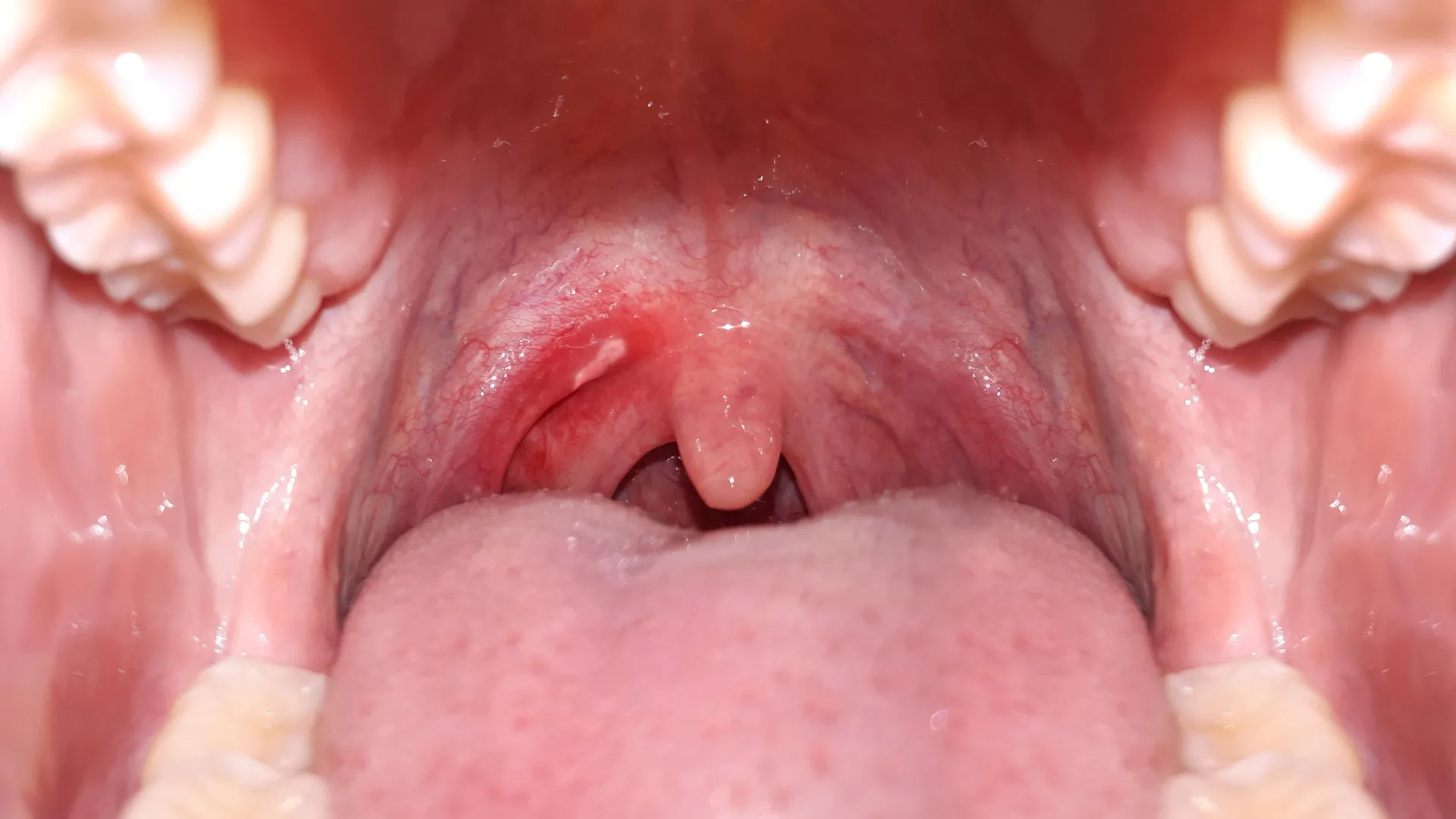
Introduction: A Growing Public Health Emergency
In the bustling streets and rural corners of India, a silent epidemic is claiming tens of thousands of lives annually. Mouth cancer—specifically cancer of the buccal mucosa, the soft, sensitive tissue lining the inner cheeks and lips—has solidified its position as the second most common malignancy in the nation. While the dangers of tobacco have long been recognized by health authorities, a groundbreaking study recently published in the open-access journal BMJ Global Health has cast a stark new light on a primary co-conspirator: alcohol.
The study, which analyzed over 3,700 participants, offers a sobering conclusion that challenges the notion of "moderate" drinking. Researchers found that there is no safe threshold for alcohol consumption regarding oral health, with even minimal intake linked to significantly elevated risks of cancer. When combined with the pervasive habit of chewing tobacco, the resulting health impact is catastrophic, accounting for an estimated 62% of buccal mucosa cancer cases across India.
The Scale of the Problem: By the Numbers
The statistical reality of mouth cancer in India is harrowing. Each year, the country records approximately 143,759 new diagnoses and 79,979 deaths. These figures are not static; they represent a steady, alarming climb in incidence rates. Currently, the national average hovers just below 15 cases per 100,000 men.
For those diagnosed, the prognosis remains grim. The five-year survival rate for patients battling buccal mucosa cancer sits at a dismal 43%. This low survival rate is often attributed to late-stage detection and the aggressive nature of the disease, which directly affects the patient’s ability to eat, speak, and interact socially.
Chronology of the Research
To understand the underlying drivers of this epidemic, researchers undertook a comprehensive study spanning over a decade, from 2010 to 2021. The investigation sought to disentangle the overlapping effects of alcohol and tobacco, two habits that are frequently practiced in tandem within Indian society.
- 2010–2021 (Data Collection): Researchers recruited 1,803 patients already diagnosed with buccal mucosa cancer from five specialized medical centers across India. To establish a baseline, they compared these participants against a control group of 1,903 individuals who did not have the disease.
- Demographic Focus: The study captured a representative cross-section of the population. While participants ranged in age, the most vulnerable cohort—those aged 25 to 45—accounted for nearly 46% of the cancer cases. This indicates that the disease is disproportionately impacting individuals during their most productive years.
- Methodological Rigor: Participants provided exhaustive histories regarding their consumption habits. Researchers tracked 11 internationally recognized alcoholic beverages (such as whisky, vodka, and beer) and 30 distinct locally brewed varieties (including apong, bangla, chulli, desi daru, and mahua).
Supporting Data: Dissecting the Risks
The study’s findings provide a granular look at how different drinking patterns influence cancer susceptibility. The data reveals a clear dose-response relationship, where increased exposure—whether through frequency or duration—correlates with higher risk levels.
The Impact of Locally Brewed Alcohol
Perhaps the most concerning discovery was the disproportionate risk associated with locally produced spirits. While consumers of internationally recognized alcoholic drinks faced a 72% higher risk of buccal mucosa cancer compared to abstainers, those who consumed locally brewed alcohol faced an 87% increase in risk.
Researchers attribute this to the "Wild West" nature of the unregulated alcohol market. Many of these traditional, home-brewed drinks are not subject to quality control standards and have been found to contain dangerous levels of contaminants, including methanol and acetaldehyde—both of which are potent carcinogens. In some documented instances, these brews contained as much as 90% alcohol by volume, far exceeding the strength of commercial beverages.
The "No Safe Limit" Verdict
The study effectively dismantles the idea that low-level consumption is harmless. The findings indicate that even drinking less than 2 grams of beer daily—a negligible amount by most standards—is linked to an increased risk of oral malignancy. When consumption hits 9 grams of alcohol per day—roughly equivalent to a single standard drink—the risk of developing mouth cancer jumps by 50%.
The Tobacco-Alcohol Synergy
The most lethal scenario occurs when alcohol and tobacco are used together. Alcohol acts as a solvent; researchers believe that ethanol alters the fat content of the mouth’s mucosal lining, increasing its permeability. This change allows the potent carcinogens found in chewing tobacco to penetrate the tissue more deeply and efficiently. This synergistic effect creates a "perfect storm," leading to a more than fourfold increase in cancer risk compared to those who do not partake in either habit.
The Regulatory Landscape and Official Responses
The current regulatory framework in India is a patchwork of central and state-level mandates. Under the Seventh Schedule of the Indian Constitution, the control of alcohol production, distribution, and sale falls primarily under the jurisdiction of individual states. While this allows for localized control, it has created a fragmented environment where oversight is often inconsistent.
The unregulated market for traditional, local spirits remains a significant blind spot. Because these beverages are often brewed in small batches or private homes in rural areas, they escape the scrutiny of excise departments and health inspectors.
Public health experts and the researchers behind this study emphasize that the current legal framework is insufficient to curb the rising tide of cancer. They argue that as long as high-alcohol-content, unregulated spirits are widely available and affordable, the burden of disease will continue to grow, particularly in states like Meghalaya, Assam, and Madhya Pradesh, where the connection between local brewing and oral cancer is most pronounced.
Implications for Future Prevention
The implications of this study are both a warning and a roadmap for public health officials. If 62% of buccal mucosa cancer cases are attributable to the interaction between alcohol and tobacco, then these two variables represent the most effective levers for intervention.
Policy Recommendations
- Strict Regulation of Local Spirits: The government must address the production of artisanal and illicit alcohol. Standardizing production, implementing quality testing, and taxing these products could reduce both their accessibility and their toxicity.
- Targeted Awareness Campaigns: Education efforts must move beyond general "anti-smoking" messages. Public health communications should explicitly highlight the synergistic, multiplicative danger of using alcohol and tobacco simultaneously.
- Screening and Early Detection: Given the 43% survival rate, there is an urgent need for widespread oral screening programs, particularly in rural areas where the prevalence of chewing tobacco and local alcohol consumption is highest.
- Integrated Cessation Programs: Because the habits are often linked, cessation programs should be integrated. Helping a patient quit tobacco is significantly less effective if their alcohol consumption remains unchanged, and vice versa.
Conclusion: A Path Toward Elimination
The conclusion drawn by the research team is profound: "Our findings suggest that public health action towards the prevention of alcohol and tobacco use could largely eliminate [buccal mucosa cancer] from India."
This is not a vague aspiration but a scientific observation. By addressing the lack of awareness surrounding low-dose alcohol consumption and tackling the unregulated market for local spirits, India has the potential to prevent nearly two-thirds of its buccal mucosa cancer cases. The path forward requires a shift in social norms, a strengthening of state-level regulations, and a renewed commitment to providing citizens with the tools to break free from the dual grip of alcohol and tobacco. The cost of inaction is measured not just in abstract statistics, but in tens of thousands of lives lost to a preventable, albeit devastating, disease.