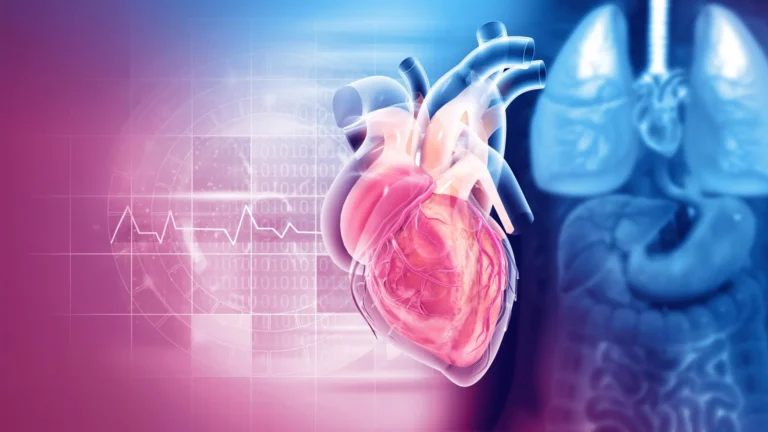











For years, the global rollout of mRNA-based COVID-19 vaccines has been hailed as a pinnacle of modern medical achievement, preventing millions of deaths and hospitalizations worldwide. Yet, within this success story, a rare but concerning side effect emerged: myocarditis—an inflammation of the heart muscle—primarily observed in young adult and adolescent males.
For the first time, researchers at Stanford Medicine have successfully mapped the biological cascade that triggers this rare inflammatory response. By identifying the specific cellular interactions at play, the team has not only demystified the mechanism behind these adverse events but has also unveiled a potential dietary strategy to mitigate the risk. The findings, published December 10 in Science Translational Medicine, represent a significant leap in understanding how the human immune system interacts with mRNA technology.
The Biological Mechanism: A Two-Stage Immune Cascade
The research team, led by senior authors Joseph Wu, MD, PhD, and Masataka Nishiga, MD, PhD, alongside lead author Xu Cao, PhD, sought to understand why the heart, in rare instances, becomes the target of an immune reaction following vaccination.
Through a rigorous analysis comparing blood samples from vaccinated individuals—including those who developed myocarditis and those who did not—the researchers identified two specific proteins acting as the primary drivers of the condition: CXCL10 and IFN-gamma.
The Chain Reaction
The study uncovered a precise, two-stage immune sequence:
- Stage One (The Macrophage Trigger): Upon receiving the mRNA vaccine, the body’s innate immune cells, known as macrophages, act as the first line of defense. When these cells encounter the vaccine components, they release a significant surge of the cytokine CXCL10.
- Stage Two (The T-Cell Response): The presence of CXCL10 and the vaccine particles then signals T cells to produce large quantities of IFN-gamma.
While these cytokines are essential for normal immune defense, the study found that in specific individuals, this combination creates a toxic "crosstalk." When these two proteins reach high concentrations, they promote the infiltration of inflammatory cells—such as neutrophils and macrophages—into the heart tissue. This infiltration leads to the release of cardiac troponin, a protein that signals damage to heart muscle cells, manifesting as the clinical symptoms of myocarditis.
Chronology of Discovery: From Clinical Observation to Laboratory Proof
The path to this discovery was multifaceted, moving from clinical patient data to advanced laboratory models of the human heart.
- Initial Observations: The team began by analyzing clinical data from vaccinated patients who reported chest pain, shortness of breath, and heart palpitations shortly after immunization. These symptoms typically appeared within one to three days.
- Cellular Modeling: Using cutting-edge technology, the researchers cultivated "cardiac spheroids"—beating, three-dimensional clusters of heart muscle cells derived from human stem cells. By exposing these clusters to the CXCL10 and IFN-gamma concentrations found in affected patients, the researchers observed immediate markers of cardiac stress, including impaired contraction strength and rhythm disturbances.
- Animal Studies: To validate the mechanism in a living system, the team vaccinated young male mice. The results mirrored the human data: elevated troponin levels and the presence of immune cells invading the heart tissue.
- The Intervention: By utilizing specific inhibitors to block the signaling of CXCL10 and IFN-gamma, the researchers were able to prevent the immune cells from latching onto heart blood vessels, effectively limiting the tissue damage while maintaining the vaccine’s protective immune benefits.
Supporting Data: Understanding the Risk Profile
The Stanford study is careful to place these findings within the context of the vaccines’ overall safety profile. Despite the potential for myocarditis, mRNA vaccines continue to demonstrate an "excellent safety record" after billions of doses administered globally.
Statistical Breakdown
The incidence of vaccine-associated myocarditis remains statistically rare, though the risk is higher in specific demographics:
- General Population (First Dose): Roughly one in 140,000.
- General Population (Second Dose): Approximately one in 32,000.
- High-Risk Demographic (Males 30 and younger): Approximately one in 16,750.
Dr. Joseph Wu, director of the Stanford Cardiovascular Institute, emphasizes that these cases are generally mild and transient. "It’s not a heart attack in the traditional sense," Dr. Wu explained. "There is no blockage of blood vessels. When symptoms are mild, we monitor the patient, and in most cases, the heart function is fully preserved or restored."
However, the team maintains that the risk of myocarditis from a COVID-19 infection is roughly ten times higher than the risk posed by the vaccine. Furthermore, the infection carries a broader range of systemic dangers that the vaccine successfully mitigates.
Official Perspective: Balancing Risk and Benefit
The scientific community has long been aware that viral infections—and, to a lesser extent, certain vaccines—can cause myocarditis. The ambiguity regarding the why has been a major point of discussion in public health policy.
Dr. Wu notes that public scrutiny of COVID-19 vaccines has been unprecedented, which may influence the perceived frequency of side effects. "If you get chest pains from a COVID vaccine, you go to the hospital and get a troponin test, leading to a diagnosis. If you get achy muscles or joints from a flu vaccine, you often ignore it," he noted.
The Stanford findings provide a concrete biological explanation that shifts the conversation from speculation to evidence-based science. This clarity is essential for clinicians who need to distinguish between benign post-vaccine immune responses and rare, serious inflammatory events.
Implications: A Potential Nutritional Strategy
One of the most intriguing aspects of the study is the potential for a non-pharmaceutical intervention. In their quest for a protective agent, the researchers looked to genistein, a compound found in soy.
The Role of Genistein
Dr. Wu’s team previously identified genistein’s potent anti-inflammatory properties in a 2022 study, where it was shown to protect blood vessels from environmental damage. Because myocarditis is more prevalent in males and estrogen (which has anti-inflammatory effects) may play a role in biological regulation, the team tested whether genistein could curb the vaccine-induced inflammatory surge.
In their experiments, pre-treating cardiac spheroids and mice with concentrated genistein significantly reduced the heart damage caused by the cytokine cascade. While Dr. Wu is quick to clarify that the form of genistein used in the study is highly purified—and not simply a result of eating tofu—the discovery opens the door for future research into dietary or pharmacological "pre-habilitation" to protect organs from vaccine-associated inflammation.
Future Scope
The implications of this study extend far beyond COVID-19. As mRNA technology is increasingly utilized for other pathogens, the ability to predict and block cytokine-mediated toxicity could be transformative. The researchers suggest that the inflammatory pathway identified—involving the excessive production of IFN-gamma—may be a feature of other mRNA-based medical interventions.
"Your body needs these cytokines to ward off viruses; it is essential to the immune response," Dr. Wu said. "The challenge is that it can become toxic in high amounts. If we can modulate that response without dampening the vaccine’s efficacy, we can make these medical tools even safer for everyone."
By identifying the molecular "suspects" and providing a pathway for intervention, the Stanford team has provided a blueprint that could define the next generation of vaccine safety and development, ensuring that the life-saving benefits of mRNA technology are paired with the highest possible standards of cardiac protection.