








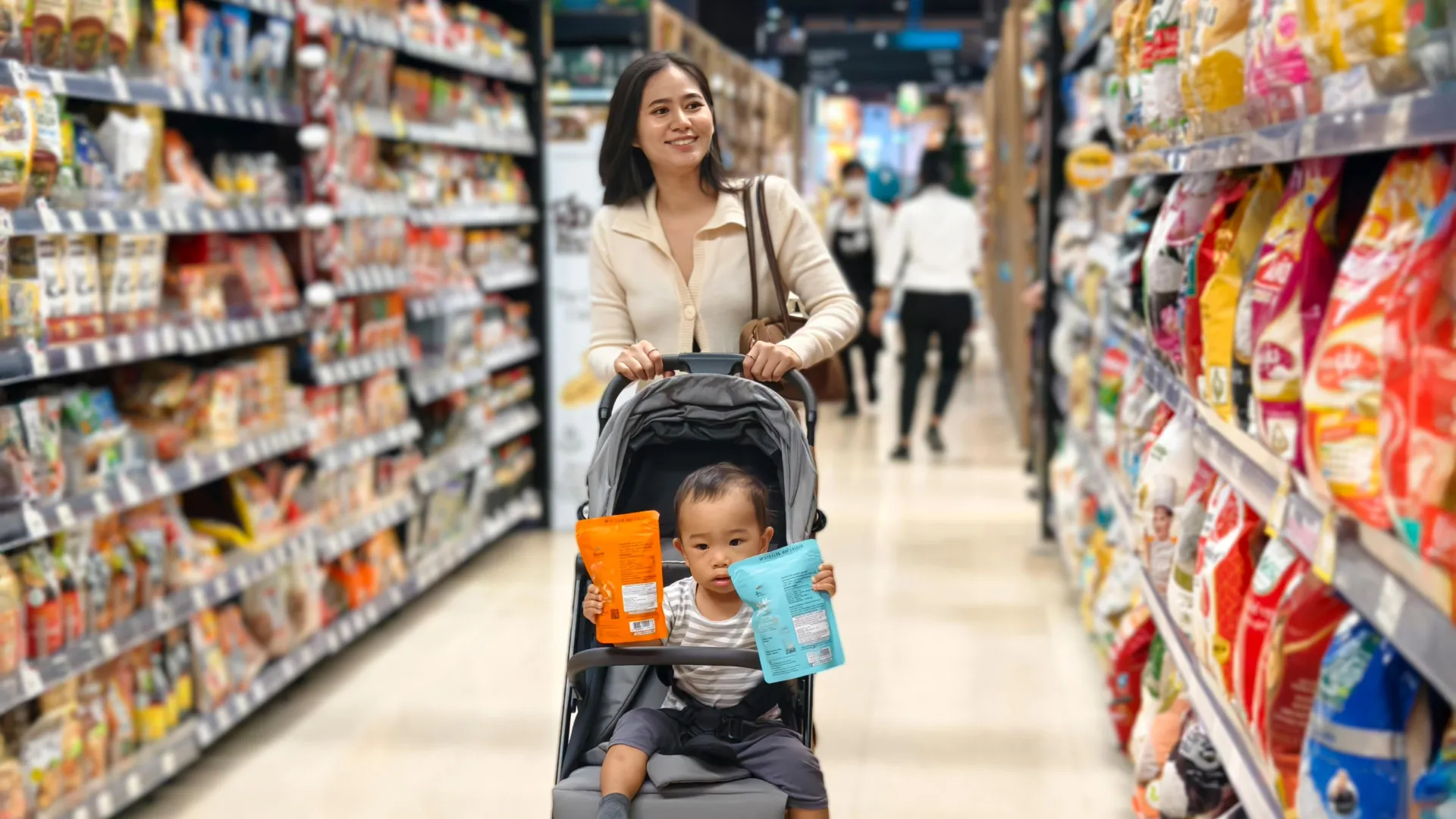
For parents navigating the grocery store aisles, the baby and toddler food section is often viewed as a "safe zone"—a curated collection of products designed specifically for the nutritional needs of growing children. However, a startling new study presented at the American Society for Nutrition’s flagship annual conference, NUTRITION 2026, suggests that this trust may be misplaced.
According to research conducted by a team from The University of Texas at Austin, the vast majority of products marketed for children aged 6 to 36 months are ultra-processed, often failing to meet international health benchmarks for sugar, sodium, and energy density. As federal regulators in the United States weigh potential changes to food labeling and marketing standards, this study serves as a critical wake-up call for parents, policymakers, and the food industry alike.
The State of the Aisle: Key Findings from the UT Austin Study
The research, led by Erin A. Hudson, JD, an ASN Science Policy Fellow and PhD candidate at UT Austin, alongside Marissa Burgermaster, PhD, involved a comprehensive audit of 21 grocery stores in the Austin, Texas area. Researchers photographed and analyzed 2,783 individual products marketed to toddlers.
The results were sobering: 81% of the products surveyed fell into the "ultra-processed" category according to the Nova classification system, which categorizes foods based on the extent and purpose of industrial processing. Furthermore, nearly half (49%) of the products failed to meet at least one nutrient benchmark established by the World Health Organization (WHO) Nutrition and Promotion Profile Model (NPPM).
Breaking Down the Nutritional Deficits
The study identified specific, recurring issues across a variety of product types:
- 17% of products exceeded WHO-recommended limits for sugar.
- 25% exceeded recommended sodium levels.
- 11% failed to meet standards for fat content.
- 12% fell short of recommendations for energy density.
Common offenders cited in the report included fruit pouches, which were frequently found to be high in sugar; oat bars, which often contained excessive sugar and calories; and savory items like mac and cheese, turkey sticks, and various puff-style snacks, which were flagged for high concentrations of sodium, fat, and calories.
A Chronology of Research and Discovery
The process of gathering this data was methodical and exhaustive. Throughout the research phase, the team focused on excluding items that serve as a bridge to solid food, such as infant formula and simple purees, to focus specifically on the complex, packaged "toddler" market.
- Data Collection: Researchers visited 21 distinct grocery locations, capturing visual evidence of the current "toddler food environment."
- Systematic Classification: Using the Nova system, they mapped 2,783 products to determine their processing level.
- Benchmarking: Each product was measured against the WHO’s NPPM, a gold-standard framework for evaluating the nutritional quality of commercial foods intended for young children.
- Presentation: The findings were formally shared on July 26, 2026, at the NUTRITION 2026 conference in National Harbor, Maryland. The presentation took place during the "Ultra-Processed Foods: Methodological Advancements" oral session, drawing attention from peers in the field of nutritional science.
The Long-Term Stakes: Why Toddlerhood Matters
The importance of this study extends far beyond the grocery basket. The toddler years—specifically the window between 6 and 36 months—are a critical developmental period. During this time, children are establishing their palate and learning dietary habits that can persist for a lifetime.
"What children eat during their toddler years can influence the flavors they prefer and the dietary patterns they follow later in childhood," the researchers noted. The concern is that regular consumption of ultra-processed, high-sugar, and high-sodium foods in early development may predispose children to chronic health issues, including obesity, hypertension, and metabolic disorders later in life.
The study found a clear correlation: ultra-processed products were statistically much more likely to contain high levels of sugar compared to their less-processed counterparts. While scientists acknowledge that not all fats or calories are created equal—for instance, a whole-food product might be high in fat due to healthy, natural ingredients like peanuts—the ultra-processed products in the study offered these calories without the corresponding nutritional "package" of vitamins, minerals, and fiber.
Policy Implications and the Call for Transparency
The timing of this research is significant. In the United States, the Food and Drug Administration (FDA) is currently reviewing potential updates to rules regarding front-of-package nutrition information and health claims on food marketing.
Unlike many other nations, the U.S. does not currently mandate warning labels on foods that contain high levels of sugar, sodium, or calories. Hudson, who has been vocal about the implications of her team’s findings, argues that this regulatory gap places an undue burden on parents.
The "Vigilance" Tax
"Many parents may assume that products sold on the baby/toddler food aisles of their grocery stores have to meet certain nutrient standards," Hudson said during the presentation. "Our findings highlight that half of the toddler foods available in local grocery stores do not. As a result, parents have to be vigilant in checking labels and ingredients to determine the nutrient content and processing level of products for their toddlers."
For the average parent, deciphering a complex ingredient list while managing a toddler in a grocery store is a daunting task. The researchers suggest that the solution should not rely solely on parental "vigilance" but rather on structural changes in how these foods are marketed and labeled.
Moving Toward Structural Reform
The UT Austin team suggests that the implementation of clear, front-of-package warning labels could be a transformative step. Such labels would accomplish two goals:
- Consumer Empowerment: They would allow parents to make informed decisions at a glance, helping them navigate a crowded and often misleading food environment.
- Industry Accountability: They could incentivize manufacturers to reformulate their products to meet healthier standards to avoid the "red flag" of a warning label.
While the study offers a compelling case for reform, the researchers are careful to maintain scientific rigor. They acknowledge that their findings were based on shelf-stable, packaged foods and may not account for the entirety of a toddler’s diet, which also includes home-prepared meals. Furthermore, they note that the study results presented at the conference are preliminary and represent the high-quality, expert-vetted abstract process typical of large scientific gatherings, yet they await the full scrutiny of a peer-reviewed journal publication.
Conclusion: A Call to Action
The "toddler food environment" described by the UT Austin team reveals a disconnect between parental expectations and the reality of the food industry. As manufacturers continue to pack store shelves with ultra-processed options, the need for transparency becomes more urgent.
For now, the advice to parents remains clear: look past the marketing, ignore the colorful packaging, and scrutinize the nutrition label. Until the FDA moves to implement more robust labeling requirements, the responsibility for navigating the "ultra-processed" landscape rests with the consumer. However, the data presented at NUTRITION 2026 provides a powerful foundation for a movement toward a healthier, more transparent marketplace for our youngest citizens.
Note: The findings presented at NUTRITION 2026 are considered preliminary. As is standard practice in the scientific community, the data will undergo a formal peer-review process before being published in a scientific journal. The research team continues to advocate for deeper investigations into the long-term health impacts of ultra-processed toddler foods.