










14 July, 2026
As the medical community continues to navigate the complexities of rare respiratory diseases, the upcoming European Respiratory Society (ERS) Alpha-1 Antitrypsin (AATD) Conference stands out as a critical juncture. Scheduled as a two-day deep dive into the latest diagnostic, therapeutic, and collaborative advancements, this event is poised to redefine how clinicians and researchers approach this genetic condition.
For respiratory professionals—ranging from seasoned pulmonologists to early-career researchers—the conference represents more than just an academic gathering; it is a tactical assembly designed to bridge the gap between laboratory bench science and the patient’s bedside.
The Core Objective: Advancing Care Through Collaboration
Alpha-1 antitrypsin deficiency remains one of the most underdiagnosed genetic conditions in the world. Often mistaken for chronic obstructive pulmonary disease (COPD) or asthma, AATD requires a specialized, multidisciplinary approach to ensure patients receive appropriate care.
The ERS Alpha-1 Antitrypsin Conference is architected to facilitate this exact type of care. By convening the brightest minds in the field, the conference aims to move beyond theoretical discussions. Instead, it prioritizes practical insights that attendees can integrate into their clinical practice immediately. Whether the goal is to master the intricacies of diagnostic screening or to understand the burgeoning landscape of emerging therapies, the two-day programme provides a comprehensive framework for professional development.
Chronology of a Shifting Landscape
To understand why this 2026 summit is so vital, one must look at the recent evolution of AATD research:
- 2022–2024: The "Data Expansion Phase." During these years, global registries—such as the European Alpha-1 Research Collaboration (EARCO)—began to yield significant longitudinal data, highlighting the phenotypic diversity of AATD across different European populations.
- 2025: The "Therapeutic Breakthrough Year." Clinical trials for novel therapies began showing promise in stabilizing lung function and addressing the liver-related manifestations of the deficiency, setting the stage for the intense focus on treatment innovation seen today.
- July 2026 (The Conference): The current moment serves as the point of integration. The focus has shifted from merely identifying the disease to optimizing patient management through personalized medicine and expanded global collaboration.
Expert Insight: Five Pillars of the 2026 Conference
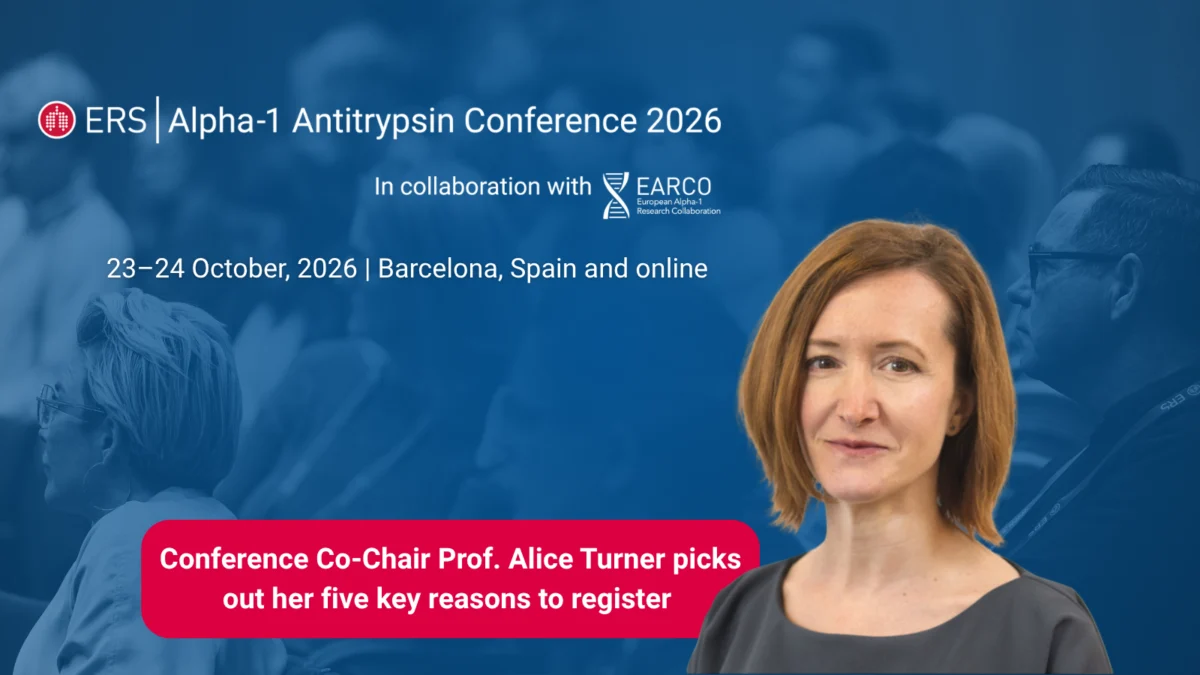
Prof. Alice Turner, Co-Chair of the event, emphasizes that the structure of this year’s conference is intentional. She identifies five primary reasons why this gathering is indispensable for those involved in respiratory health.
1. Unparalleled Access to Global Research Leaders
The conference functions as a microcosm of the global AATD research community. All major research groups currently investigating the condition will be present. For attendees, this offers a unique window into the current state of the art. It is an opportunity to hear focused updates on research directly from the investigators who are conducting the work, ensuring that knowledge transfer is both accurate and immediate.
2. Navigating the Fast-Moving Field of AATD Science
AATD is no longer a static area of medicine. With emerging therapies—ranging from gene-silencing technologies to novel augmentation strategies—the field is evolving at a breakneck pace. The conference provides a centralized forum to filter this influx of information. Attendees will gain a synthesized view of the latest science, allowing them to remain at the cutting edge of respiratory care without getting lost in the noise of individual studies.
3. Fostering Meaningful Connections in an Intimate Setting
One of the most praised aspects of the ERS approach is the scale of the meeting. Unlike massive, impersonal medical congresses, this conference is intentionally kept to a size that facilitates genuine interaction. For early-career professionals, this is a career-defining opportunity. The presence of the EARCO research committee provides a platform for young clinicians to discuss potential placements, research fellowships, and collaborative projects with world-renowned experts in a supportive and approachable environment.
4. Tackling Controversy Through Engaging Formats
Medicine thrives on debate, and the ERS conference leans into this. Rather than simple lecture-style presentations, the program utilizes interactive formats, including "pro-con" debates. A highlight of the 2026 event will be the focus on AATD and bronchiectasis—a topic that remains a point of contention and active investigation. By dissecting these controversial areas, the conference helps attendees develop a nuanced understanding of clinical ambiguity, which is essential for informed decision-making in the clinic.
5. Uniting Stakeholders to Expand Access
The final, and perhaps most important, pillar of the conference is the inclusion of a diverse stakeholder group. By bringing together healthcare providers, patient advocacy groups, charities, and industry representatives, the conference creates a cohesive strategy. This multi-perspective approach is vital for ensuring that new treatments are not only developed but that they reach the patients who need them most.
Supporting Data and Clinical Implications
The clinical importance of this gathering is underscored by the current diagnostic gap. Despite being a common genetic cause of emphysema, a large percentage of patients remain undiagnosed or misdiagnosed for years. The conference addresses this by emphasizing the use of global registries and standardized screening protocols.
Data from the EARCO network, which will be a focal point of the discussions, highlights that early intervention can significantly alter the disease trajectory. By implementing the insights shared at the conference, clinicians are equipped to identify the disease earlier, advocate for better diagnostic resources in their local institutions, and contribute to the growing body of knowledge that will eventually lead to a cure.
Official Responses and Strategic Vision
The leadership at ERS has signaled that this conference is a long-term investment in respiratory health. By promoting a culture of transparency and collaboration, the organizers hope to break down the silos that often separate basic science from clinical application.
"The goal is to ensure that every attendee leaves with a better understanding of how to translate the complex science of AATD into tangible benefits for their patients," notes the organizational committee. "When we bring the laboratory to the clinic and the patient to the table, we change the trajectory of the disease."
Implications for the Future of Respiratory Medicine
The 2026 ERS Alpha-1 Antitrypsin Conference is a clear signal that the field is moving toward a more integrated, patient-centered future. For the attendees, the implications are three-fold:
- Professional Growth: Access to networking and mentorship opportunities that are rarely found in larger, more commercialized medical meetings.
- Clinical Precision: A better grasp of the diagnostic nuances and therapeutic options, leading to more precise, personalized care plans for patients.
- Systemic Change: By participating in a dialogue that includes industry and patient advocates, professionals are contributing to a broader advocacy movement that aims to improve global access to AATD treatments.
As the respiratory medicine landscape continues to change, the ability to synthesize research, foster collaboration, and challenge current paradigms will define the next generation of pulmonary specialists. Those who attend the 2026 conference are not merely witnessing the evolution of AATD medicine—they are actively participating in it.
How to Get Involved
For those looking to secure their place in this pivotal discussion, registration is now open. The conference organizers have made resources readily available to help attendees prepare for the sessions.
The 2026 ERS conference promises to be a milestone event. It is an invitation to move beyond the status quo, engage with the leading edge of genetic respiratory science, and, ultimately, improve the lives of patients suffering from AATD. Whether you are a clinician looking to refine your practice or a researcher looking to expand your network, the path forward starts here.