










For billions of people around the globe, the morning ritual is non-negotiable. Whether it’s a meticulously weighed pour-over or a quick espresso, coffee has become the world’s most popular social lubricant and cognitive fuel. On average, humans now consume nearly two kilograms of coffee per person each year. Yet, beneath the aroma and the ritual lies a complex physiological interaction. How much you drink, and how your body reacts to that caffeine, is dictated by a sophisticated interplay between your genetics, your brain’s reward systems, and the efficiency of your liver’s metabolic pathways.
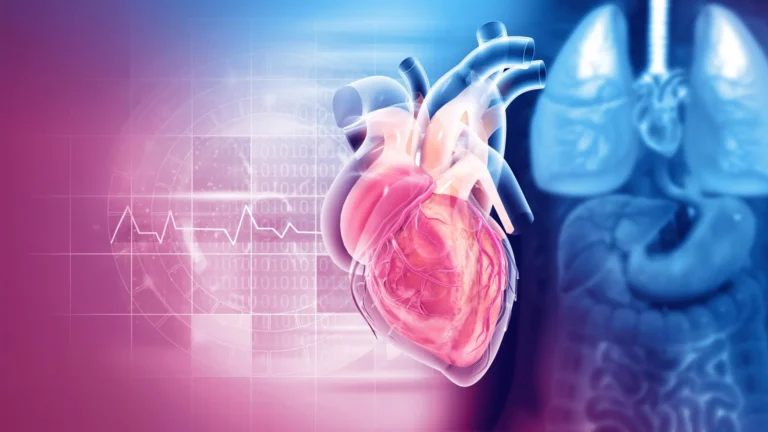
But as coffee consumption reaches record highs, so too does the prevalence of hypertension. This has led many health-conscious drinkers to ask a pressing question: Is my morning cup contributing to silent cardiovascular damage?
The Silent Threat: Understanding Hypertension
To grasp how coffee impacts the heart, one must first understand the mechanism of blood pressure. It is, fundamentally, the force exerted by circulating blood against the walls of the body’s arteries. It is measured using two metrics: systolic (the pressure when the heart beats) and diastolic (the pressure when the heart rests between beats).
A healthy reading is generally defined as below 120/80 mm Hg. Once those numbers consistently climb to 140/90 or higher, medical professionals classify the condition as hypertension. The danger of this state lies in its "silent" nature; hypertension rarely presents with obvious symptoms. If left unchecked, it acts as a slow-moving catalyst for heart attacks, strokes, and the progressive deterioration of kidney function.
Recent data suggests that approximately 31% of adults worldwide live with hypertension, with nearly half of those individuals remaining entirely unaware of their status. Even among those diagnosed and prescribed medication, nearly 47% struggle to maintain controlled levels, making the lifestyle choices—including dietary intake—of these individuals a subject of intense clinical scrutiny.
Chronology of a Caffeine Spike: How Coffee Acts on the Body
When you finish your first cup of coffee, the physiological response begins almost immediately. Caffeine acts as a potent muscle stimulant, directly impacting the central nervous system.
The 30-Minute Surge
Once ingested, caffeine enters the bloodstream, with levels typically peaking between 30 minutes and two hours. During this window, caffeine triggers the adrenal glands to release adrenaline—the body’s "fight or flight" hormone. This causes the heart rate to accelerate and blood vessels to constrict, leading to a temporary but measurable increase in blood pressure.
The Half-Life Factor
The duration of this effect depends on your personal "caffeine half-life," which generally ranges from three to six hours. This variance is influenced by three primary factors:
- Genetics: Your metabolic rate is largely determined by enzymes in your liver that process caffeine. Some individuals are "fast metabolizers," while others retain the stimulant for significantly longer.
- Age: Younger populations and those with immature metabolic systems clear caffeine less efficiently.
- Tolerance: Regular, habitual drinkers tend to clear caffeine more rapidly than infrequent consumers, effectively dulling the acute blood pressure spike over time.
Supporting Data: The Impact on Blood Pressure
Clinical reviews have consistently noted that after consuming caffeine, systolic blood pressure can increase by 3–15 mm Hg, while diastolic pressure may rise by 4–13 mm Hg. However, the significance of these numbers depends heavily on the individual’s baseline health.
For those with existing hypertension, this transient spike can be more concerning, especially if coupled with pre-existing heart or liver disease. While a healthy individual’s vascular system can typically accommodate these fluctuations, a weakened system may be more susceptible to the strain of repeated vasoconstriction.

Beyond Caffeine: The Phytochemical Paradox
It is a common error to view coffee solely as a delivery system for caffeine. In reality, coffee is a dense, complex beverage containing hundreds of distinct phytochemicals. These compounds, which dictate the flavor and aroma of your roast, also play a surprising role in cardiovascular health.
Recent studies have highlighted the role of melanoidins, which help regulate fluid volume and modulate the activity of enzymes involved in blood pressure management. Furthermore, quinic acid has demonstrated potential in improving the endothelial lining of blood vessels. By keeping the lining of these vessels flexible and healthy, quinic acid allows the vascular system to better accommodate the natural rises in pressure that occur throughout the day.
This suggests that coffee is not a monolithic health risk; rather, it is a chemical cocktail where the negative effects of caffeine may, in some cases, be balanced by the protective properties of these secondary compounds.
The Verdict: Does Coffee Cause Hypertension?
For years, medical researchers have sought to link coffee consumption to the development of chronic hypertension. A landmark review of 13 studies, encompassing over 315,000 participants, aimed to settle the debate. During the follow-up periods of these studies, 64,650 participants developed hypertension. Crucially, the researchers concluded that coffee consumption was not associated with an increased risk of developing the condition.
This held true regardless of gender, the quantity of coffee consumed, or whether the participants chose caffeinated or decaffeinated varieties. Even smoking habits and the duration of follow-up did not alter the conclusion.
The "Grade 2" Caveat
However, context is vital. A significant Japanese study involving 18,000 adults aged 40–79 provided a more nuanced warning. While coffee consumption showed no adverse effects for those with normal blood pressure or mild hypertension, the results for those with severe (Grade 2–3) hypertension were striking. In this specific subgroup, those who consumed two or more cups of coffee per day faced double the risk of cardiovascular death compared to non-drinkers.
This suggests a "threshold effect": for the vast majority of the population, coffee is benign or even beneficial, but for those with advanced, uncontrolled high blood pressure, the stimulant effects of caffeine may cross a threshold into danger.
Implications for Your Routine
The scientific consensus is clear: for most of the population, there is no clinical requirement to abandon coffee. However, the "one-size-fits-all" approach to dietary health is no longer sufficient.
Actionable Guidelines:
- Know Your Numbers: Because hypertension is asymptomatic, you cannot "feel" if your blood pressure is high. Regular screenings are the only way to determine if you are in the safe zone or the high-risk category.
- Consult Your Physician: If you have been diagnosed with hypertension, specifically Grade 2 or higher, have a frank conversation with your doctor about your coffee intake. They may suggest a limit or a transition to decaffeinated options.
- Mind the Additives: Much of the health risk associated with coffee culture comes not from the bean, but from the additives. Excessive sugar, syrups, and high-fat creams contribute to metabolic syndrome, which directly exacerbates hypertension.
- Listen to Your Body: If you notice heart palpitations, dizziness, or sustained anxiety after consumption, you may be a "slow metabolizer" of caffeine, and your body is signaling a need to reduce intake.
Ultimately, coffee remains a testament to the complexity of human biology. While it exerts a measurable, acute pressure on the cardiovascular system, its long-term impact is mediated by a fascinating web of genetic, chemical, and lifestyle factors. By staying informed and monitoring your own health metrics, you can continue to enjoy your daily cup with confidence, knowing that for most, the benefits of this beloved brew far outweigh the risks.