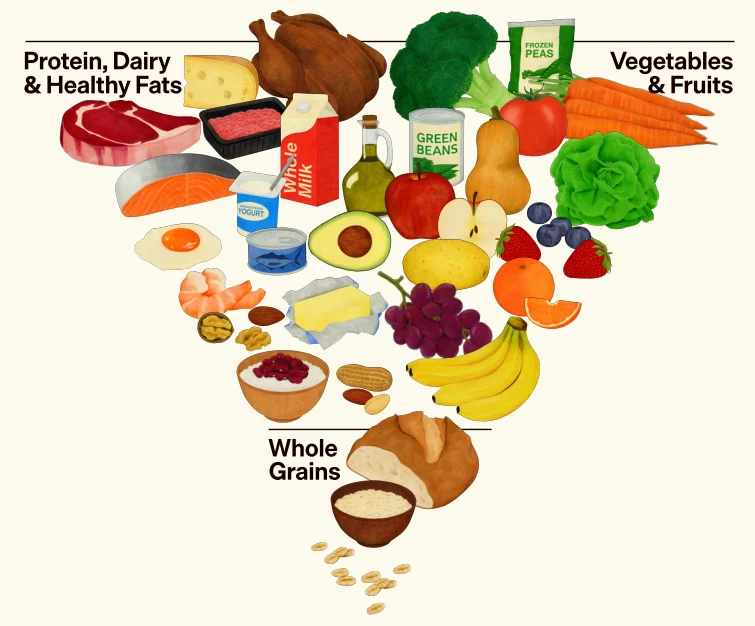







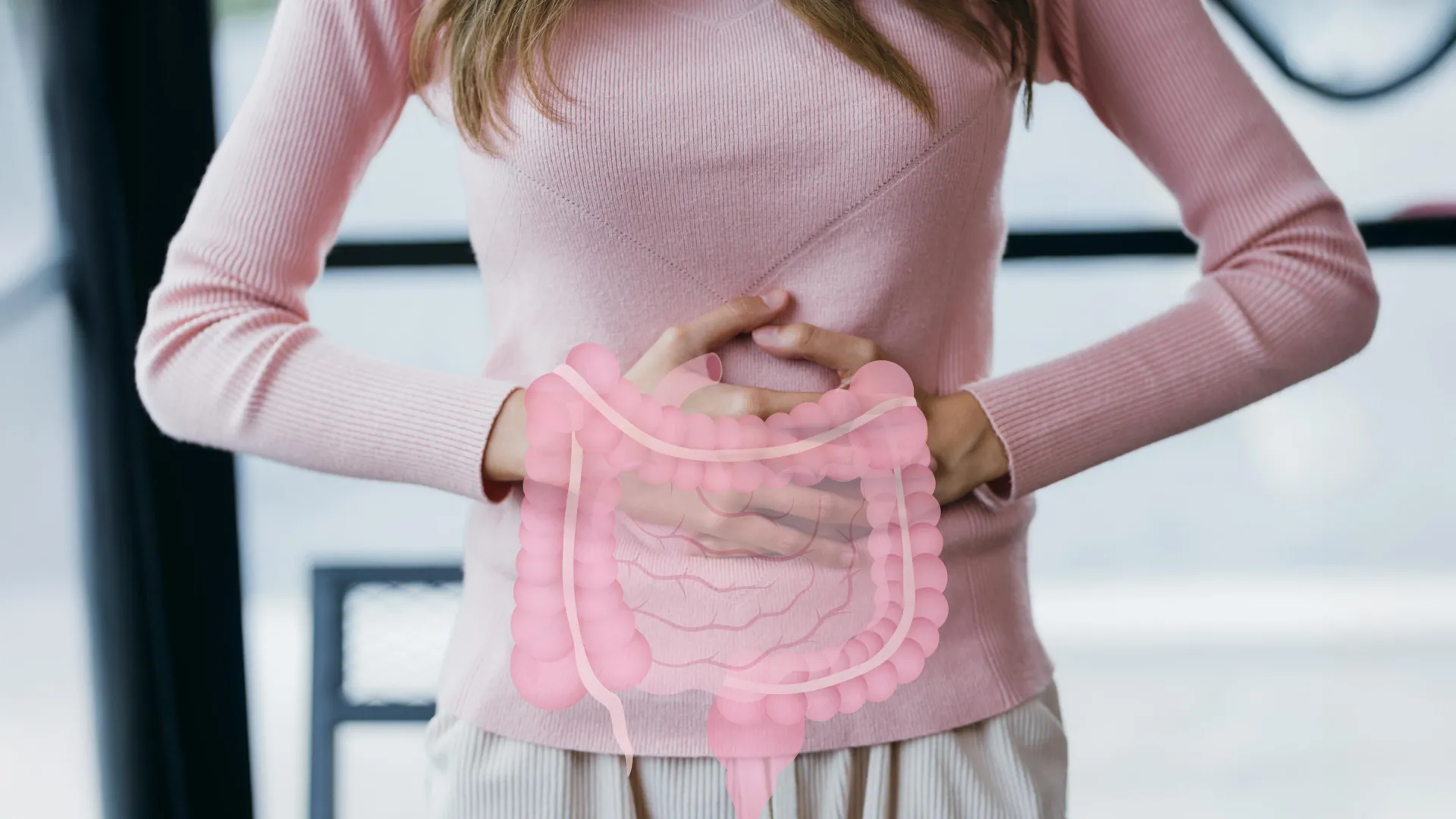
A recent breakthrough from Toho University has cast a spotlight on a humble component of the human diet: ferulic acid. Long celebrated for its antioxidant properties, this polyphenol, naturally occurring in rice bran and various whole grains, is now being hailed as a potential game-changer in the management of gastrointestinal motility disorders. By identifying the mechanism through which this compound influences intestinal muscle contractions, researchers are opening the door to new, non-pharmaceutical approaches to conditions like Irritable Bowel Syndrome (IBS) and Inflammatory Bowel Disease (IBD).
The Main Facts: A New Mechanism for Gut Regulation
The research, spearheaded by Dr. Keisuke Obara, Dr. Kento Yoshioka, and Professor Yoshio Tanaka from the Faculty of Pharmaceutical Sciences at Toho University, centers on the physiological interaction between ferulic acid (FA) and the smooth muscle tissues of the intestines.
At the core of the discovery is the finding that FA acts as an inhibitor of voltage-dependent calcium channels. Intestinal motility—the rhythmic, coordinated movement that propels food through the digestive tract—relies heavily on the contraction of smooth muscle cells. These contractions are triggered by an influx of calcium ions. The Toho University team discovered that FA can effectively dampen these contractions by regulating the flow of calcium, thereby acting as a natural modulator of gut activity.
This discovery is significant because it provides a biological basis for how dietary intake might directly influence the physical mechanics of the digestive system, rather than merely acting as a systemic antioxidant or neuroprotective agent.
Chronology of the Discovery
The journey toward these findings began with a systematic inquiry into the intersection of plant-derived polyphenols and visceral smooth muscle physiology.
- Initial Hypothesis Formulation: The research team sought to bridge the gap between existing knowledge of FA’s systemic benefits and the lack of data regarding its local effects on gastrointestinal motility. They hypothesized that FA might interact with the signaling pathways that dictate muscle contraction.
- The In Vitro Phase: The team utilized guinea pig ileal longitudinal smooth muscle (ILSM) as a model. By introducing various signaling molecules—including acetylcholine, histamine, prostaglandin F2α, and serotonin—they were able to induce high-intensity muscle contractions.
- Observation and Verification: Upon introducing ferulic acid to these stimulated muscle tissues, the researchers observed a marked, concentration-dependent reduction in contraction strength. Crucially, they verified that this effect was reversible; once the FA was washed away, the muscle tissue resumed its normal contractile activity.
- Mechanistic Mapping: Following the initial observations, the team utilized vascular smooth muscle cell models to pinpoint the cellular mechanism. They identified that FA successfully blocked the rise in intracellular calcium induced by potassium chloride, confirming its role as a blocker of voltage-dependent calcium channels.
Supporting Data: The Science Behind the Inhibition
To understand the magnitude of this discovery, one must look at the data provided by the Toho University experiments. The researchers found that FA operates in a "noncompetitive" manner. This is a critical distinction in pharmacology: it suggests that FA does not compete with signaling molecules for receptor sites on the cell surface. Instead, it exerts its influence further "downstream," interfering with the shared machinery—the calcium channels—that all these different signaling molecules eventually rely on to trigger a contraction.
Concentration-Dependency and Reversibility
The experiments demonstrated that the inhibitory effect was not binary. As the concentration of FA increased, the suppression of muscle contraction became more pronounced. This dose-response relationship is a hallmark of an active pharmacological agent. Furthermore, the reversibility of the effect—the fact that the muscle returned to its baseline state—suggests that FA does not cause permanent damage or alteration to the muscle cells, but rather acts as a transient, tunable regulator.
Calcium Signaling Interference
By utilizing potassium chloride (KCl) to stimulate the influx of calcium in vascular smooth muscle cells, the team provided a clear visualization of the inhibition. In the presence of FA, the intracellular calcium spike was significantly blunted. Since calcium is the "on-switch" for muscle fibers, this mechanism explains exactly why the intestines would experience reduced motility when exposed to the compound.
Official Perspectives and Academic Context
The research team, led by Professor Yoshio Tanaka, has been careful to frame these findings within the broader context of human nutrition and clinical application. In their published documentation, the team emphasizes that while the in vitro results are compelling, they represent a "proof of concept" rather than an immediate clinical recommendation.
"Ferulic acid has been a subject of interest for decades, but its specific role in the gastrointestinal tract has been largely overlooked until now," notes Dr. Keisuke Obara. "Our findings provide a mechanistic foundation for future studies, but we must be cautious about extrapolating these laboratory results directly to human dietary recommendations."
The academic community has received the study as a significant contribution to the field of "foodomics"—the study of how food components interact with human biological pathways. By focusing on the direct contact between FA and the digestive tract, the study shifts the narrative from "what the body does to the nutrient" to "what the nutrient does to the gut."
Implications for Gastrointestinal Disorders
The implications for individuals suffering from motility disorders are twofold: there is significant promise for certain patient populations, but also necessary warnings for others.
Potential Benefits for Diarrhea-Predominant Conditions
For patients with diarrhea-predominant IBS or IBD, the gut often suffers from hypermotility—a state where the intestines contract too frequently or with too much force, preventing proper absorption and causing distress. Because FA acts to calm and inhibit these contractions, it presents a compelling case as a potential natural therapeutic. It could, in theory, help normalize bowel transit times by suppressing the over-excited smooth muscles.
Risks and Counter-Indications
Conversely, the study serves as a warning for those suffering from constipation-predominant IBS. If the gut is already struggling with sluggish movement (hypomotility), further inhibition via high doses of ferulic acid could exacerbate the condition. The researchers stress that "one size does not fit all" when it comes to dietary interventions for the gut.
The Road Ahead: From Laboratory to Clinical Trial
While the Toho University study is a major milestone, the researchers are the first to admit that a significant "translational gap" remains.
Bridging the Concentration Gap
A key point of discussion is the concentration of ferulic acid. The levels used in the lab to achieve significant inhibition are higher than what one would typically find in the bloodstream after eating a bowl of rice. However, the researchers point out that the local concentration in the gut lumen—where the food actually sits—may be significantly higher than systemic blood levels. This provides a optimistic pathway for future research, suggesting that direct ingestion might indeed yield high enough local concentrations to be effective.
Future Research Directions
To move this from the laboratory to the pharmacy or the dinner plate, the next steps include:
- Human Clinical Trials: Carefully controlled trials are required to determine if the same inhibition occurs in the human digestive system and to establish safe, effective dosage levels.
- Bioavailability Studies: Scientists must determine how much ferulic acid is absorbed, how much stays in the gut, and how the gut microbiome modifies the compound during transit.
- Targeted Delivery Systems: Researchers may look into encapsulated forms of ferulic acid that ensure the compound reaches the specific areas of the intestine that require regulation.
Conclusion: A Natural Frontier in Gut Health
The research from Toho University highlights the immense, yet largely untapped, power of compounds found in our everyday food. Ferulic acid is no longer just an antioxidant; it is a potential physiological regulator of the digestive tract. By unlocking the mystery of how this compound interacts with calcium channels, Dr. Obara, Dr. Yoshioka, and Professor Tanaka have provided a roadmap for a new generation of gut-focused nutrition.
While it is far too early to replace prescribed medications with rice bran extracts, the potential for using naturally occurring polyphenols to manage chronic digestive disorders is immense. As the scientific community continues to explore the gut-brain axis and the role of diet in systemic health, this study serves as a vital reminder that the answers to complex medical problems may be hidden in the very foods we have been consuming for millennia. The future of gut health may not just be in synthetic drugs, but in a deeper understanding of the functional power of whole foods.