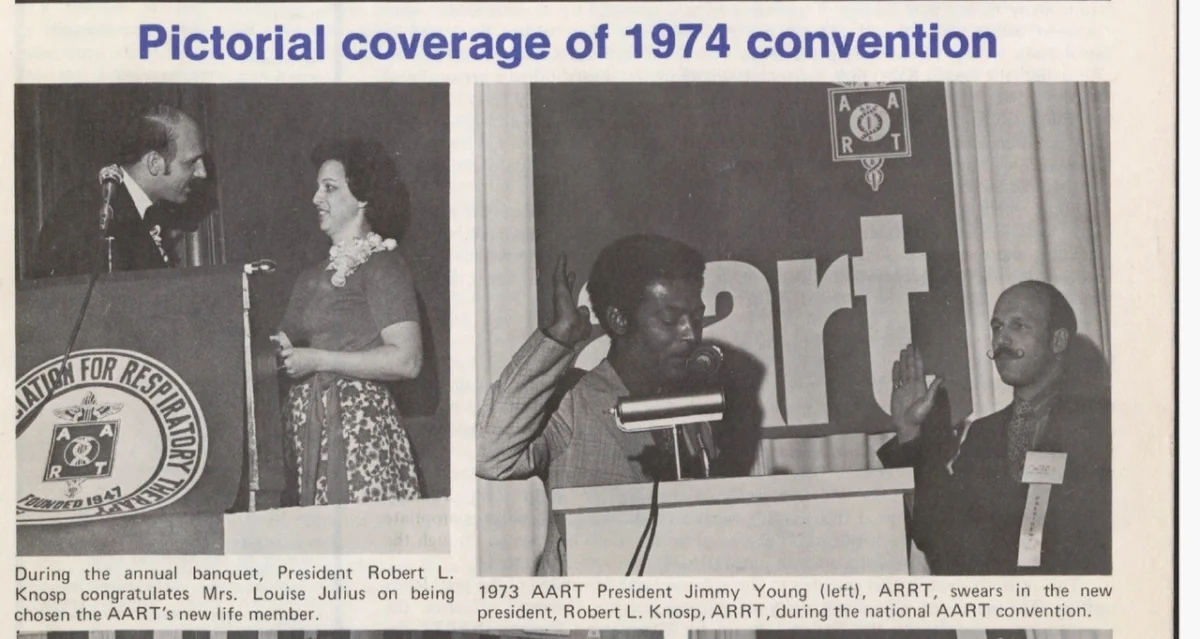
The landscape of modern respiratory care is built upon the foundational work of visionaries who saw potential where others saw only clinical procedure. At the pinnacle of this recognition sits the Jimmy A. Young Award, the highest honor bestowed by the American Association for Respiratory Care (AARC). Named in memory of the late AARC president—a man whose life was synonymous with the professionalization of the field—the award does not merely recognize technical proficiency. It celebrates a lifetime of sustained, systemic contributions that have shaped the very fabric of respiratory medicine.
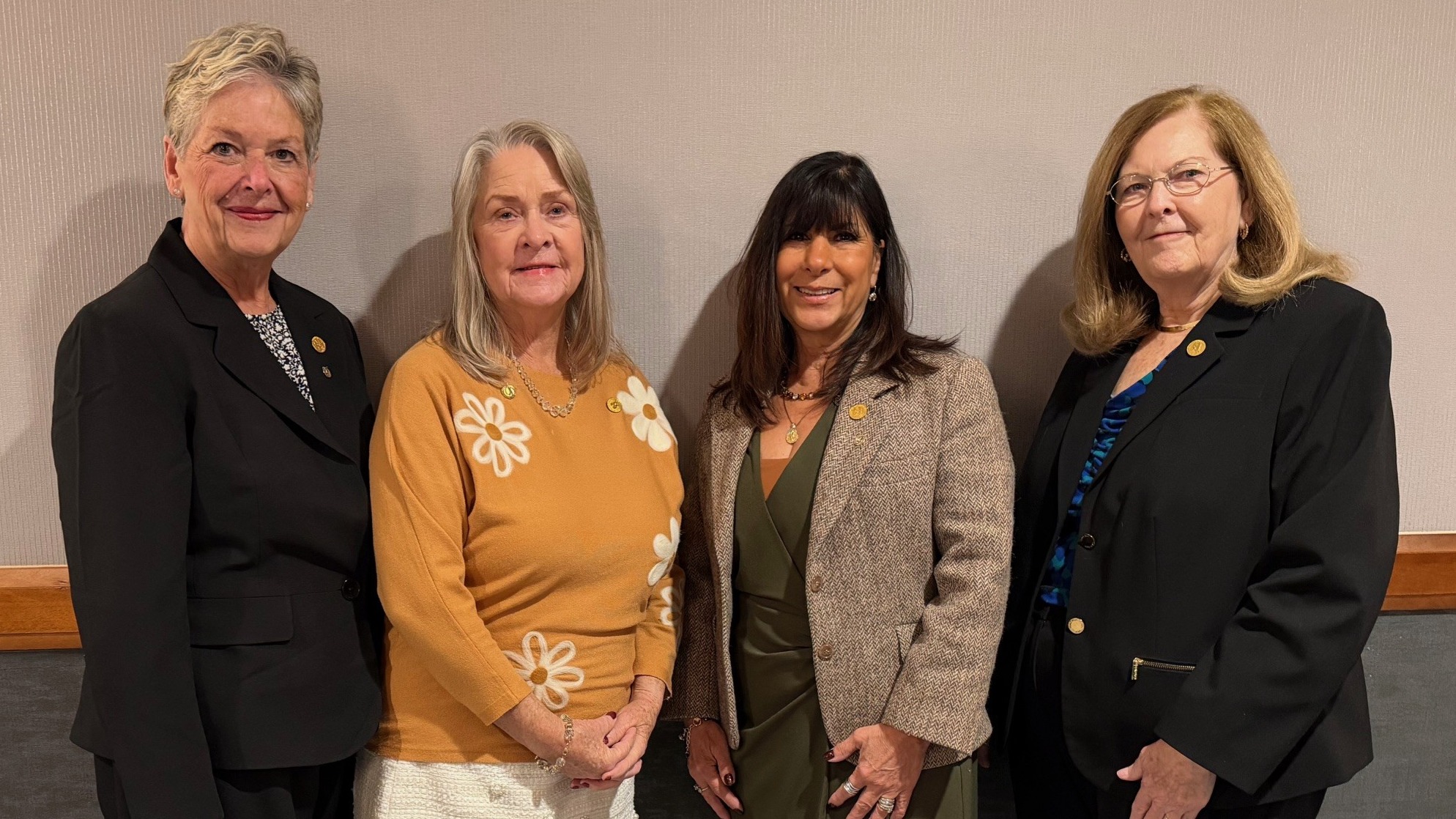
In a recent, deeply reflective roundtable discussion, Lisa Weisenberger, AARC Director of Content and Communications, convened four of the five women who have been honored with this prestigious distinction: Dianne Lewis, MS, RRT, FAARC (2025); Trudy Watson, BS, RRT, FAARC (2018); Margaret Traband, MEd, RRT, FAARC (2011); and Teresa Volsko, MBA, MHHS, LSSBB, RRT, FAARC (2020). Together, these women represent a bridge between the formative years of respiratory therapy and its current high-stakes, data-driven reality. They joined to dissect the evolution of their profession, the persistent challenges of leadership in medicine, and the transformative power of female mentorship in a field once dominated by male leadership.
The Evolution of the Profession: A Chronology of Advocacy
The journey of these four women mirrors the evolution of the AARC itself. Their collective experiences span decades, beginning in an era when the role of a respiratory therapist was often misunderstood, and extending into today’s landscape where RTs are recognized as essential, frontline clinical decision-makers.
The Foundation (1970s–1980s)
For Margaret Traband, who entered the AARC in 1972, the path to national recognition was not paved with strategic ambition, but with local necessity. During this era, respiratory therapy was defining its clinical identity. "We began with our state societies," Traband explained. "You don’t do it looking for what else you need to check off a list to get an award. You’re just moving ahead where you think you can do the most good." This period was characterized by the "Journal Clubs"—intimate, rigorous gatherings where therapists debated emerging research to ensure their bedside practice was rooted in evidence.
The Standardization Era (1990s–2010s)
Dianne Lewis, the most recent recipient, highlights the critical work of the Clinical Practice Guidelines Steering Committee as the turning point for the profession. "My group wrote and published the first clinical practice guideline for the association," Lewis noted. This was a watershed moment; it moved the profession away from disparate, facility-specific practices toward a standardized, nationwide model of care. This transition from "task-oriented" workers to "evidence-based practitioners" allowed the profession to earn a legitimate seat at the table with other healthcare disciplines.
Breaking the Glass Ceiling: Supporting Data and Cultural Shifts
Historically, the respiratory therapy workforce has maintained a high percentage of women, yet for decades, this demographic representation failed to translate into the upper echelons of professional leadership. The roundtable participants underscored that this was not merely a matter of opportunity, but of culture.
Teresa Volsko provided a stark assessment of the professional environment of the late 1970s and 1980s. "In 1979, if you were invited to the table, you didn’t dare bring another woman up with you because there were only one or two seats," she reflected. This scarcity-based mentality created a competitive, often exclusionary environment. However, the trajectory of these award recipients suggests a paradigm shift. Today’s leaders emphasize that the landscape has changed from one of scarcity to one of abundance.
"Now we have the power to change that landscape from being competitive to really lifting each other up," Volsko asserted. This shift in mentorship is perhaps the most significant legacy these women leave behind. By actively pulling the next generation into the fold, they have ensured that leadership in respiratory care is no longer a zero-sum game.
Insights from the Vanguard: Lessons for the Next Generation
The collective wisdom of these four leaders provides a roadmap for the modern respiratory therapist. Their advice is rooted in a philosophy that combines technical rigor with soft-skill mastery.
1. Mastering the Art of Networking
Trudy Watson emphasized that visibility is a currency in healthcare. She encourages therapists to look beyond the clinical walls of their own hospital. By engaging with related organizations like the American Lung Association, therapists broaden their professional ecosystem. "Get involved so your name is known and you are trusted within your own organization," Watson advised. Trust, she notes, is the byproduct of visibility and consistent, high-quality engagement.
2. The Virtue of Being Over-Prepared
Margaret Traband’s advice echoes the necessity of clinical grounding. In a field where lives hang in the balance, "half-prepared" is not an option. "Being over-prepared is status quo for most of us," Traband noted. She argues that the intellectual curiosity cultivated in the 1970s—the habit of reading the latest research and debating it with peers—remains the most effective way to gain the confidence of physicians and administrators.
3. Leading from the Bedside
Perhaps the most crucial insight offered by Teresa Volsko is that leadership is not a title; it is a behavior. Many young professionals fall into the trap of believing that they must occupy an administrative role to be a "leader." Volsko rejects this notion: "Don’t let the fact that you have the title of a clinical respiratory therapist stop you from doing great things. Lead where you are."
The Dual Reality: Challenges and the Horizon Ahead
While the profession has reached new heights of prestige, it faces a complex dual reality. On one hand, the demand for respiratory care is at an all-time high. Dianne Lewis points out that the next decade promises a wealth of job opportunities, driven by an aging population and an increased focus on chronic lung health.
However, this growth is met with the structural challenge of workforce sustainability. Trudy Watson identified the difficulty of "finding the students to fill the seats in the classroom" as a primary concern. The funnel of new talent is not currently matching the velocity of industry demand.
Furthermore, the post-pandemic era has cast a long shadow of burnout. The recipients addressed this with a poignant reminder for those feeling the strain. Traband emphasized the necessity of personal reflection. "The further away you get from the bedside, the less positive reinforcement happens," she noted. She urged therapists to reconnect with the "why" of their work: the immediate, tangible impact of alleviating breathlessness and calming a frightened patient. "Take the time to reflect at the end of the day. Know that you’ve alleviated breathlessness and calmed patients. Steep in that moment."
Implications for the Future of Respiratory Care
The Jimmy A. Young Award is far more than a decorative honor; it is a barometer of the profession’s health. The narratives provided by Lewis, Watson, Traband, and Volsko suggest that the future of respiratory care relies on three pillars:
- Intentional Mentorship: Moving beyond the "only one seat at the table" mentality to create pathways for inclusive leadership.
- Clinical Advocacy: Continuing the work of the early pioneers by standardizing care and fighting for the professional recognition that clinical expertise deserves.
- Resilience through Purpose: Combatting burnout by grounding clinical practice in the profound, human-centered moments that define the patient experience.
As the AARC continues to evolve, the legacies of these women—and the late Jimmy A. Young—serve as a reminder that the profession is not merely a collection of protocols. It is a community of advocates, thinkers, and bedside leaders. Their collective life’s work proves that when professionals possess the courage to lead, the humility to mentor, and the persistence to remain over-prepared, the field of respiratory care does not just survive—it thrives.
The path forward, as articulated by these recipients, is clear: the next generation of RTs must continue to seek the table, bring others with them, and never lose sight of the profound difference made at the bedside. In doing so, they honor the history of the Jimmy A. Young Award and ensure the continued advancement of respiratory medicine for decades to come.