










Published: August 11, 2026
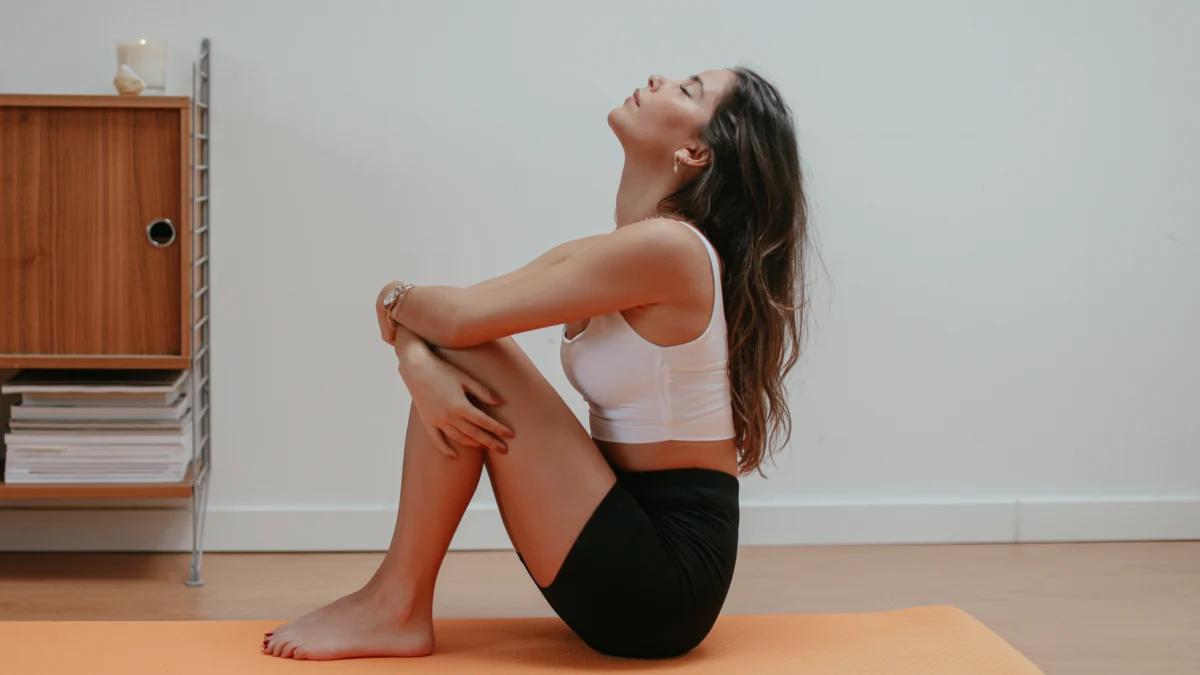
In an era defined by hyper-connectivity and the relentless churn of digital information, the human nervous system is frequently pushed to its physiological limits. Modern existence—characterized by the constant glow of smartphone screens, the erosion of work-life boundaries, and the compounding stress of global uncertainty—has manifested as a collective epidemic of anxiety. For many, the mind has become a "shaken-up snow globe": a turbulent sphere of chaotic thoughts and sensory overload where the clarity of the present moment is obscured by a swirl of stressors.
However, recent advancements in mind-body medicine are shifting the focus from pharmacological intervention to the biological regulation of the autonomic nervous system. At the center of this movement is breathwork, a practice that, while ancient in origin, is being validated by contemporary science as one of the most effective, accessible, and immediate tools for restoring internal equilibrium.
The Physiology of the "Shaken Snow Globe"
To understand why breathwork is so effective, one must first understand the mechanism of the anxious state. When an individual experiences prolonged stress, the sympathetic nervous system—the body’s "fight-or-flight" mechanism—remains in a state of chronic activation. This leads to rapid, shallow breathing, elevated cortisol levels, and a heightened state of hyper-vigilance.
"Restless states typically arise when we are fundamentally disconnected from our internal world," notes yoga practitioner Daria LeGrand. "When we spend too much time on social media or neglect basic self-care, we lose the tether to our own biological rhythm."
This disconnection creates an "aura of anxiousness" that permeates daily decision-making and emotional regulation. By consciously engaging in controlled breathing exercises, practitioners are essentially "hacking" the vagus nerve—the primary component of the parasympathetic nervous system—to signal to the brain that the environment is safe. This triggers a cascade of physiological responses, including a reduced heart rate, lowered blood pressure, and a transition from a state of agitation to a state of restorative stillness.
A Chronology of the 13-Minute Reset
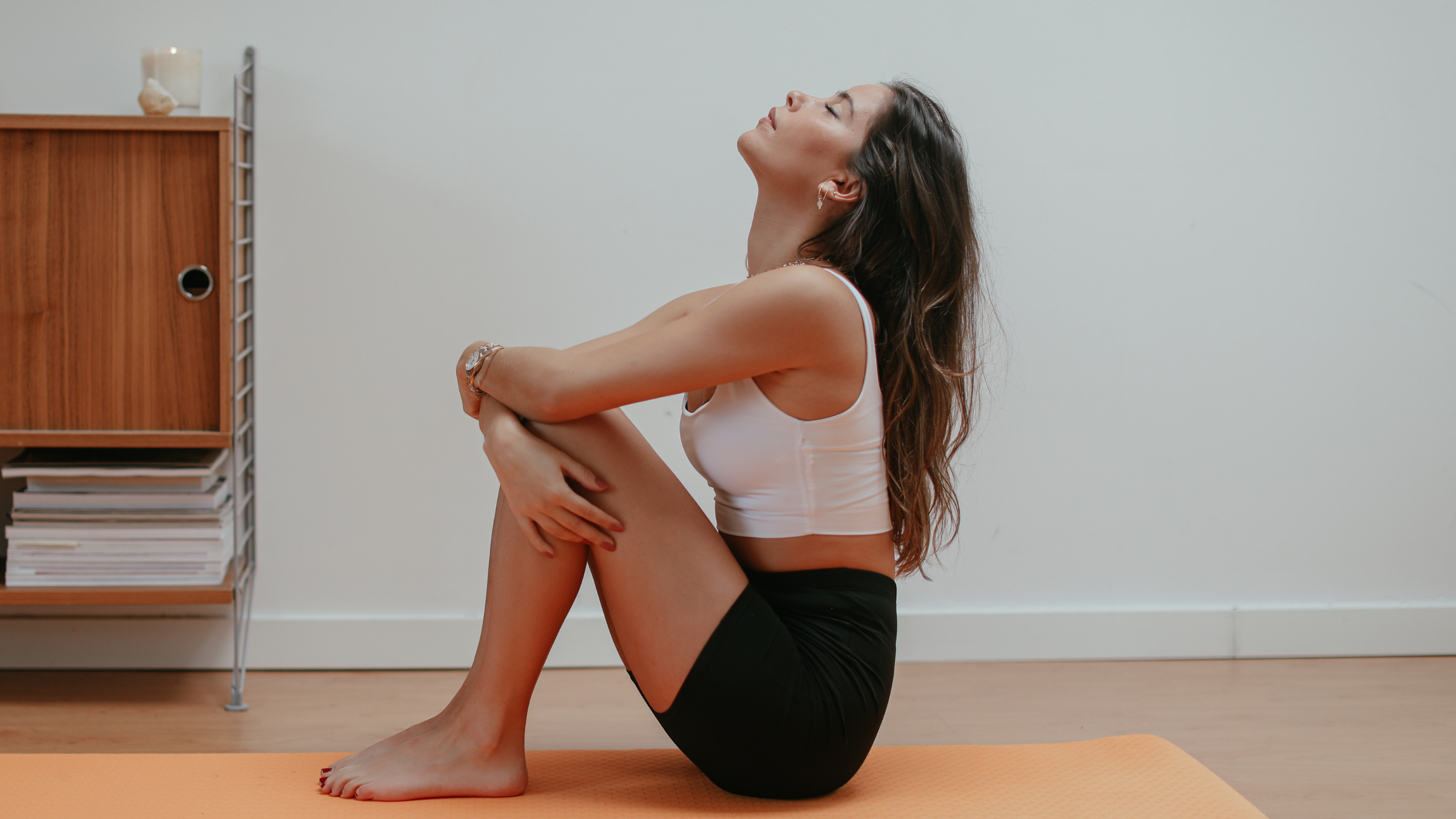
For those seeking an immediate pathway to calm, a structured 13-minute session serves as an ideal entry point. This practice, designed to move the participant from external chaos to internal "home," is structured into three distinct phases: preparation, regulation, and integration.
Phase 1: The Foundation of Supported Easy Pose
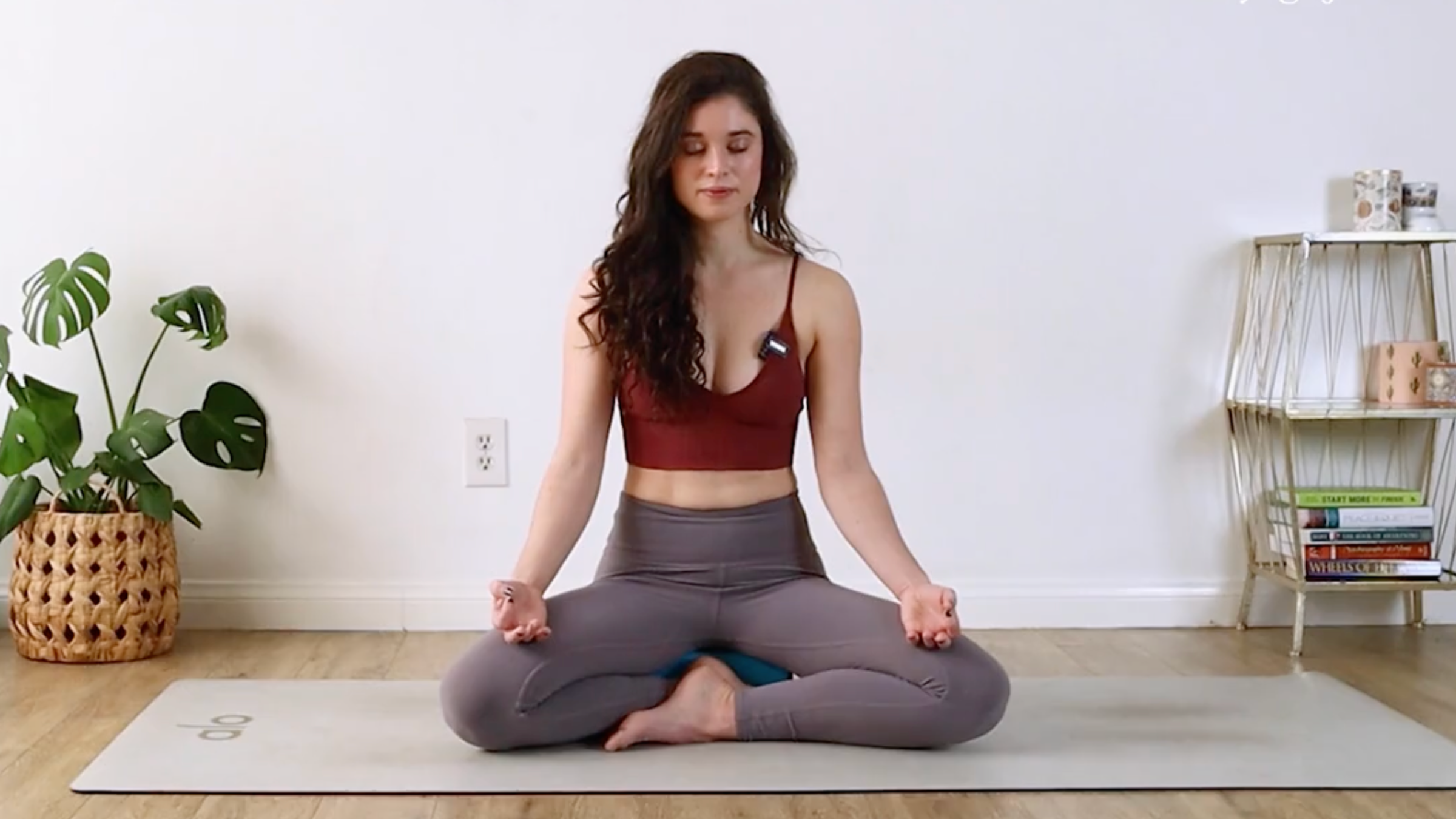
The session begins with the establishment of physical comfort. Breathwork is not about endurance; it is about creating a vessel for the breath to inhabit. Participants are encouraged to use props—yoga blocks, bolsters, or cushions—to elevate the sit bones, ensuring that the spine remains neutral and the diaphragm has ample space to expand.
In the Supported Easy Pose, the body is encouraged to ground itself. By placing hands on the thighs with palms facing upward and touching the index finger to the thumb (a traditional mudra), the practitioner closes a physical circuit. As the eyes close, the individual begins an internal audit, noting the natural cadence of their breath without judgment. To deepen the experience, visualization is introduced: the breath is assigned a soothing color. This mental imagery acts as an anchor, helping the practitioner transition from a reactive state to a receptive one.
Phase 2: The Science of Box Breathing
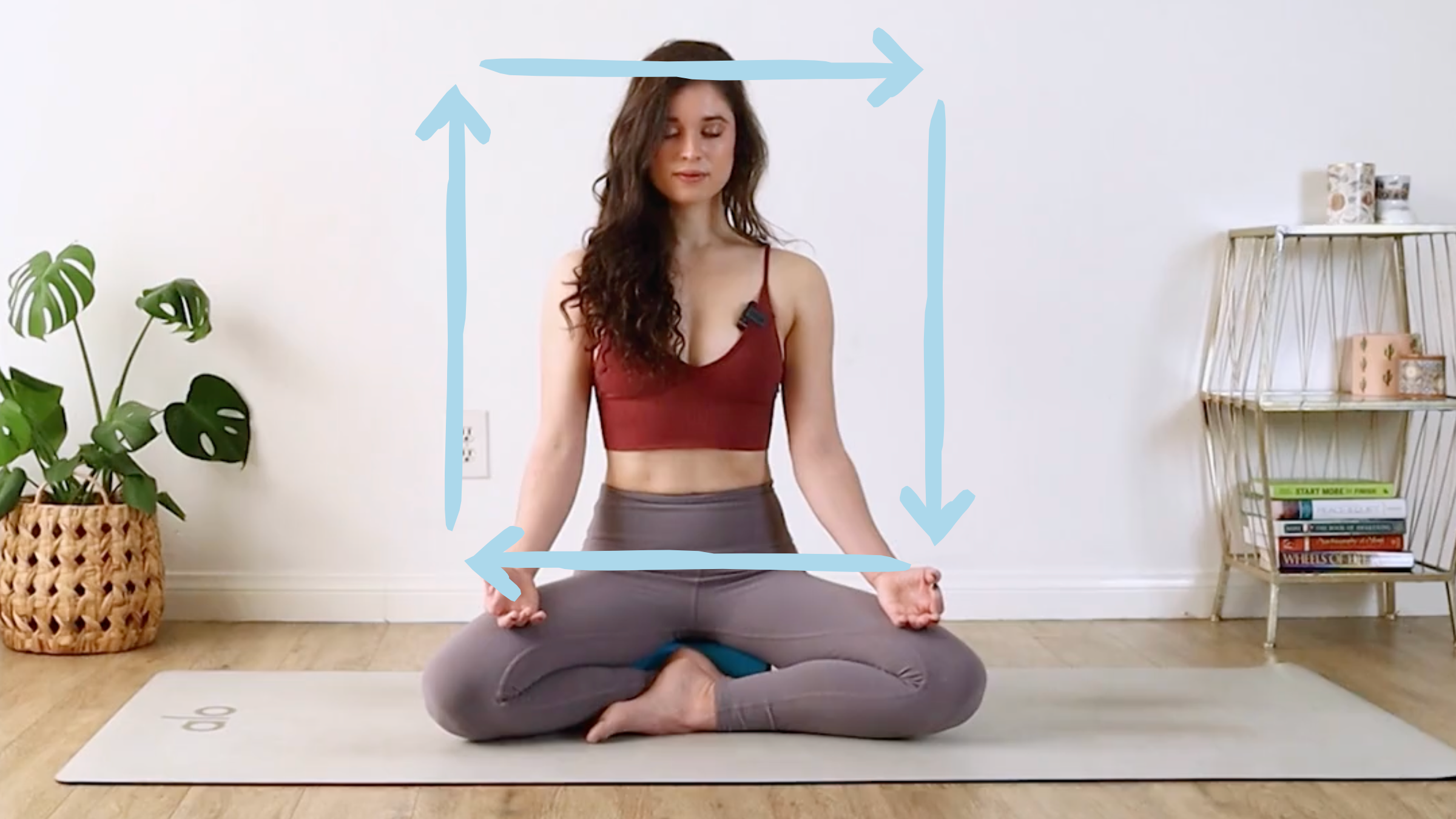
Once the body is settled, the session moves into Box Breathing (also known as sama vritti or "equal breathing"). This technique is favored by high-performance athletes and military personnel for its ability to stabilize the nervous system under extreme pressure.
The structure of box breathing is mathematically precise:
- Inhalation: A steady intake of air.
- Suspension: A pause at the top of the lungs.
- Exhalation: A controlled release.
- Suspension: A pause at the bottom of the breath.
By leveling out these four parts—initially starting at a count of three and progressing to five—the practitioner forces the heart rate to synchronize with the breath. This rhythmic consistency is the biological "kill switch" for panic. As the brain focuses on the count, the intrusive, circular thoughts of the anxious mind are forced to the periphery, replaced by the immediate sensation of air moving through the body.
Phase 3: Closing and Integration
The final minutes of the practice are dedicated to transition. After the structured box breathing, the practitioner returns to intuitive, deep breathing. This allows the body to "settle" into the state it has just cultivated. The session concludes with the setting of an intention—a mental focus to carry into the remainder of the day—and a final, audible sigh to release any remaining tension.
Supporting Data: Why Breathwork Works
While anecdotal success stories for breathwork are abundant, the scientific data is increasingly robust. A 2025 longitudinal study published in the Journal of Behavioral Medicine indicated that individuals who practiced 10 to 15 minutes of guided breathwork daily reported a 34% reduction in generalized anxiety scores over an eight-week period.
The data suggests that the benefits are not merely psychological. Respiratory sinus arrhythmia (RSA)—the variation in heart rate that occurs during a breathing cycle—is significantly improved through regular practice. High RSA is a hallmark of good health and psychological resilience. Conversely, low RSA is often observed in those suffering from chronic stress and burnout.
Furthermore, clinical trials have shown that deliberate, slow-paced breathing exercises increase the production of nitric oxide in the nasal passages, which helps dilate blood vessels and improve oxygen delivery to the brain. This biological boost, combined with the psychological benefit of "taking a moment," creates a cumulative effect that builds emotional resilience over time.
Professional Perspectives on Mental Hygiene
Mental health experts are increasingly advocating for the integration of these practices into the standard wellness curriculum. Dr. Elena Vance, a clinical psychologist specializing in stress management, notes: "We have reached a point where we must treat our mental state with the same preventative care as our physical health. Breathwork is the ‘hygiene’ of the nervous system. You wouldn’t go months without showering; why would you go months without regulating your internal state?"
The professional consensus is shifting toward the idea that anxiety is not a character flaw, but a physiological state that can be managed. While breathwork is not a substitute for therapy or medical intervention in cases of severe clinical anxiety, it serves as an essential "first responder" tool. It empowers individuals to reclaim agency over their internal landscape, turning a state of helplessness into one of proactive management.
The Implications of a Still Mind
The implications of adopting a regular breathwork practice extend far beyond the 13 minutes spent on a yoga mat. In a professional context, the ability to return to a "stiller space" through breathing can prevent the kind of executive dysfunction that leads to burnout. In personal relationships, the capacity to regulate one’s nervous system before responding to conflict can prevent the escalation of arguments and foster deeper empathy.
Ultimately, the act of "coming home to your breath" is a radical statement against the speed of modern life. It acknowledges that while we cannot always control the external pressures of the world—the news cycle, the inbox, the social demands—we possess an immutable internal sanctuary.
As the world continues to demand more of our time and energy, the most revolutionary act one can perform is to stop, settle the snow globe, and breathe. By dedicating time to this practice, we are not just calming a temporary feeling of anxiety; we are training our nervous systems to remain grounded in an increasingly ungrounded world.
For those looking to begin, the prescription is simple: find a quiet space, support your body, and let the rhythm of the breath provide the clarity that a chaotic world so often steals.