





In the world of fitness, the pursuit of "toned arms" is often dismissed as a vanity project—a goal reserved for those looking to look better in a sleeveless shirt. However, as we cross the threshold into our 60s and beyond, the narrative shifts from aesthetics to necessity. Maintaining muscular strength in the upper body is a foundational pillar of healthy aging, directly impacting one’s ability to live an independent, confident, and active life.
According to Jacob Siwicki, founder of Siwicki Fitness and a veteran personal trainer, the degradation of arm strength is a silent thief of independence. "When arm strength fades, people quietly start avoiding things," Siwicki notes. "They carry fewer bags, stop reaching overhead, and ask for help with tasks they used to handle themselves. Keeping the arms and grip strong helps prevent that loss of confidence and independence."
The Core Facts: Why Resistance Training is Non-Negotiable
As we age, our bodies undergo sarcopenia—the natural, age-related loss of muscle mass and function. While this process is inevitable, it is highly manageable. Resistance training acts as the primary defense mechanism against this decline.
Contrary to popular belief, you do not need a commercial gym membership or heavy, intimidating iron plates to reverse this trend. Siwicki emphasizes that the key is consistent, manageable resistance. "The difference is that you do not need heavy barbells or an hour at the gym," he explains. "A pair of dumbbells, water jugs, or even standard household grocery bags can provide enough resistance to make significant progress at home."
For those over 60, the goal is not to maximize one-rep-maxes, but to stimulate muscle protein synthesis and improve neuromuscular coordination. By utilizing accessible household items, you remove the barrier to entry, making it easier to integrate movement into your daily routine.
A Chronology of Decline and Restoration
To understand the importance of this training, we must look at the timeline of physical aging.
- The Mid-Life Transition (Age 45–55): This is often when individuals notice a slight decline in grip strength and overhead reach. It is the optimal window to start incorporating light resistance to stave off the accelerated loss that follows.
- The Threshold (Age 60+): At this stage, muscle loss can accelerate if the body remains sedentary. Daily activities like lifting a suitcase, opening a jar, or reaching for a high shelf become more taxing.
- The Restoration Phase: Through a targeted, low-impact exercise regimen, individuals can see marked improvements in as little as 30 days. By engaging in consistent, twice-weekly resistance sessions, the body begins to signal that it needs to retain muscle tissue, effectively "rebuilding" the strength lost to inactivity.
Supporting Data: The Impact of Functional Movement
Research consistently supports the notion that functional strength training significantly improves the quality of life for older adults. The exercises recommended by experts like Siwicki are not arbitrary; they are designed to mimic the "activities of daily living" (ADLs).
When you perform a Single-Arm Row, you are training the muscles required to stabilize your spine while reaching. When you engage in Farmer’s Carries, you are building the grip strength necessary to carry groceries or luggage without fear of dropping items or losing balance.
Data from the American College of Sports Medicine suggests that seniors who engage in consistent resistance training show improvements in bone density, metabolic rate, and joint stability. By focusing on multi-joint movements, you aren’t just training the biceps or triceps; you are training the nervous system to coordinate these muscle groups more efficiently, which reduces the risk of falls and repetitive strain injuries.
Expert Insight: The Siwicki Protocol
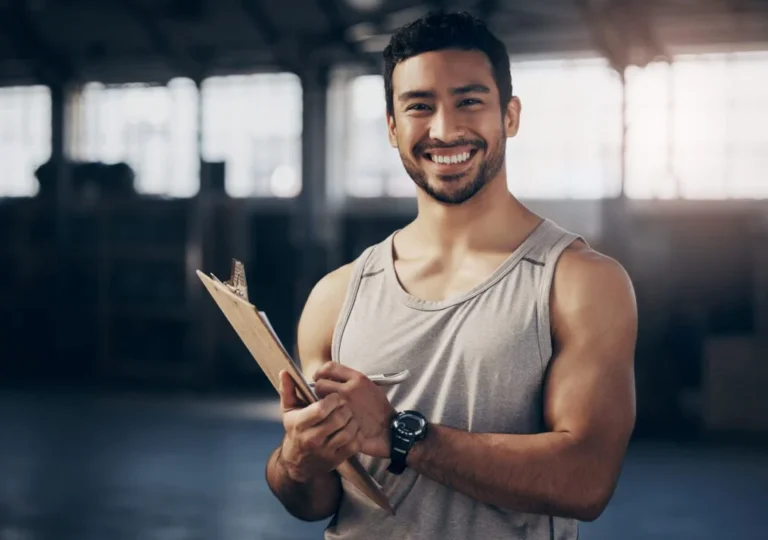
Jacob Siwicki, whose credentials include NCSF and AFAA certifications and a reputation as one of D.C.’s top trainers, outlines a strategic approach to home-based strength. He suggests five key movements that prioritize safety while maximizing mechanical tension.
1. Counter Pushups
The pushup is the gold standard for upper-body pushing power. By using a countertop instead of the floor, you reduce the load on your joints while still engaging the chest, shoulders, and triceps. This is an excellent entry-level movement that can be progressed by lowering the height of the surface as you gain strength.
2. Single-Arm Rows
This movement targets the back and the biceps. It is essential for posture—an area often neglected in senior fitness. By using a sturdy piece of furniture for support, you can safely pull weight toward your hip, mimicking the motion of picking up objects from the floor.
3. Water-Jug Curls
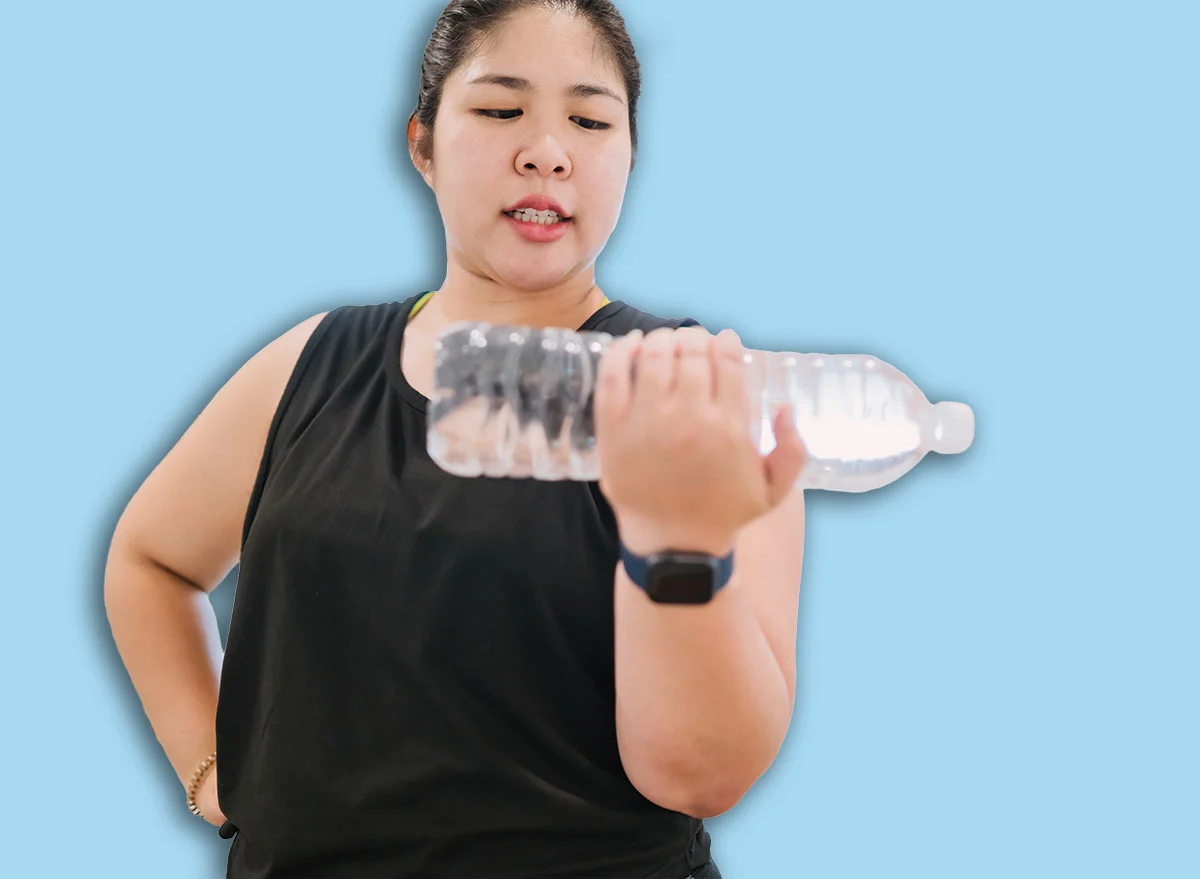
You don’t need specialized equipment to work the biceps. A simple gallon of water provides a variable weight (you can fill it partially or fully). This exercise promotes elbow health and improves the strength needed for lifting and carrying.
4. Overhead Tricep Extensions
The back of the arm (the triceps) is responsible for pushing movements. Overhead extensions help maintain the range of motion in the shoulder joint, which is vital for reaching into high cupboards—a common area of concern for seniors.
5. The Farmer’s Carry
Perhaps the most "functional" of all exercises, the Farmer’s Carry involves holding weight in each hand and walking. This builds "functional grip" and core stability. It is the single best exercise for ensuring you can carry your own groceries for years to come.
Implications for Longevity
The implications of this approach go far beyond the gym. When you commit to a routine of resistance training, you are investing in your "healthspan"—the number of years you spend in good health, rather than just the number of years you are alive.
The Independence Factor: The ability to live alone or maintain a household is directly tied to the physical ability to perform tasks. By maintaining arm strength, you are essentially purchasing a "policy" against the need for assisted living services later in life.
Mental Well-being: Strength training has a profound impact on cognitive health. The act of learning new movement patterns and the release of endorphins associated with physical exertion provide a significant boost to mental clarity and mood.
Community and Connection: As Siwicki notes, the confidence gained from physical capability allows seniors to engage more in their communities. Whether it is gardening, traveling, or playing with grandchildren, the physical freedom to participate is the greatest reward of a consistent training program.
Conclusion: Starting Your Journey
The path to stronger arms is not paved with expensive equipment or grueling, multi-hour sessions. It is built on the foundation of small, intentional acts of resistance. Whether you start with a water bottle in your kitchen or a pair of dumbbells in your living room, the most important step is the first one.
As you embark on this journey, remember to listen to your body, focus on controlled movements, and maintain consistency. By reclaiming your strength today, you are securing your independence for tomorrow. The goal is not to be a bodybuilder; it is to be a capable, independent human being who can navigate the world with ease and confidence.
For those interested in building a comprehensive plan, consulting with a certified trainer to ensure proper form is always a recommended first step. Always clear any new exercise regimen with your primary care physician before beginning.