For millions of people, the nightly ritual of falling into a deep, restorative slumber is not a guarantee, but a struggle. Chronic insomnia—a condition characterized by persistent difficulty falling or staying asleep—affects a significant portion of the global population, leading to impaired daytime functioning, mental health struggles, and long-term physiological consequences.
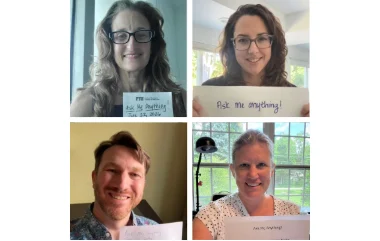
To address this widespread public health concern, the American Academy of Sleep Medicine (AASM) and the Society of Behavioral Sleep Medicine (SBSM) recently hosted their annual "Insomnia Awareness Night." This event serves as a critical bridge between complex clinical research and the general public, aiming to demystify sleep disorders and provide actionable, evidence-based guidance. As part of this year’s initiative, a panel of esteemed sleep specialists—Dr. Spencer Dawson, Dr. Sarah Honaker, Dr. Monica Kelly, and Dr. Jennifer Martin—took to the Reddit community for a live "Ask Me Anything" (AMA) session, offering a rare window into the professional consensus on modern sleep challenges.
The Landscape of Sleep: Understanding Chronic Insomnia
Insomnia is more than just an occasional "bad night." Clinically, it is defined as difficulty sleeping that occurs at least three times per week and persists for longer than three months, significantly impacting daytime life. Despite its prevalence, there is an abundance of misinformation circulating, ranging from the efficacy of over-the-counter supplements to the reliability of consumer-grade tracking technology.
The Reddit AMA provided a unique platform to combat these misconceptions. By engaging directly with individuals struggling with sleep, these experts aimed to redirect the conversation toward proven clinical approaches, most notably Cognitive Behavioral Therapy for Insomnia (CBT-I), which remains the gold standard for long-term treatment.
Chronology of the Conversation: A Deep Dive into Common Concerns
The AMA session was structured around the most pressing questions from the public. Below is a breakdown of the key themes discussed, reflecting the evolution of sleep science in the age of digital technology and wellness trends.
1. The Myth of "Catching Up" on Sleep
One of the most persistent questions in sleep hygiene involves the "weekend warrior" approach to rest. Can a heavy dose of sleep on Saturday and Sunday offset the sleep deprivation accrued during the workweek?
Dr. Jennifer Martin addressed this with nuance. While she acknowledged that limited studies suggest weekend recovery sleep is better than no recovery at all, it is not a cure-all. The biological reality is that consistent, high-quality sleep—seven or more hours per night—is the only proven way to maintain long-term physiological and mental well-being. Using weekends to "catch up" does little to mitigate the chronic stress placed on the body by a persistent pattern of weekday sleep restriction.
2. The Digital Dilemma: Tracking Devices and Orthosomnia
With the rise of smartwatches and fitness trackers, more people are monitoring their sleep stages and heart rate variability than ever before. However, the panel urged caution.
Dr. Sarah Honaker highlighted the phenomenon of "orthosomnia," where the obsession with achieving "perfect" sleep data actually creates the very anxiety that prevents sleep. While these devices can be helpful for building positive habits—such as maintaining a consistent bedtime—they are not clinical-grade tools. Dr. Honaker emphasized that the most important diagnostic metric is not a data point on a screen, but how a person feels during their waking hours. If a device is causing stress, it is doing more harm than good.
3. Supplements and the Placebo Effect
The market for sleep aids, including melatonin and various herbal blends, has exploded in recent years. Dr. Jennifer Martin was candid about the lack of rigorous scientific backing for many of these products.
A critical takeaway from the discussion was the role of the placebo effect. When an individual believes a supplement will help them, their anxiety about falling asleep may decrease, allowing them to drift off more easily. Regarding THC microdosing, the experts noted a lack of high-quality, large-scale studies to confirm safety or efficacy. Melatonin, while useful for circadian rhythm adjustments like jet lag, is frequently misused as a general treatment for insomnia, for which it is not inherently designed.
4. Auditory Aids: The Case for Binaural Beats
For those who use "binaural beats" or white noise to soothe a racing mind, Dr. Spencer Dawson offered a pragmatic perspective. While there is no robust research proving that these sounds physically alter brain waves to induce sleep, they serve a valuable purpose as a psychological distraction. Much like an audiobook or a podcast, they provide a gentle focus that can prevent the mind from ruminating on the day’s stresses, thereby lowering the barrier to sleep onset.
Supporting Data and Clinical Guidance
The experts were adamant that if someone is suffering from persistent insomnia, they should seek a formal evaluation rather than self-medicating. This is especially true for those experiencing "hyperarousals"—a state where the brain feels alert even when the body is exhausted.
Dr. Martin noted that frequent arousals during the night can be a red flag for underlying conditions such as obstructive sleep apnea (OSA). A clinical sleep study (polysomnography) is the only way to determine if the issue is a behavioral sleep disorder or a physiological one that requires medical intervention.
For those dealing with early-morning awakenings, Dr. Spencer Dawson explained that the reasons are varied:
- Circadian Phase Advances: Common as people age, where the body’s internal clock shifts earlier.
- Morning Types: Some individuals are biologically programmed to wake earlier.
- Anxiety and Depression: Mental health conditions often manifest as "early-morning insomnia."
- Sleep Disorders: Conditions like sleep apnea can trigger a wake-up response.
His advice was to avoid "forcing" sleep. If you wake up at 4:00 a.m. and cannot fall back asleep, getting out of bed and engaging in a quiet, low-stimulation activity is often more effective than lying in bed, staring at the ceiling, and fostering a negative association between your bed and frustration.
The Future of Sleep Health: Implications for the Public
The core implication of the AASM and SBSM’s outreach is a shift away from "quick fixes" and toward a more holistic, behavioral approach to sleep medicine. The experts underscored that the most effective treatment for chronic insomnia is Cognitive Behavioral Therapy for Insomnia (CBT-I). Unlike medication, which may mask symptoms or carry side effects, CBT-I addresses the thoughts and behaviors that perpetuate sleep loss.
Key Implications for Patients:
- Prioritize Consistency: The body’s internal clock thrives on regularity. A consistent wake-up time is the single most effective way to regulate your sleep-wake cycle.
- Avoid Technology Over-Reliance: Do not let your tracker dictate your self-worth or your assessment of your own energy levels.
- Seek Professional Help: If insomnia lasts longer than three months, it is time to consult a board-certified sleep specialist.
- Manage Expectations: Sleep is a biological process, not a mechanical one. It cannot be forced; it can only be encouraged by creating the right environment and lowering internal pressure.
Conclusion: A Call to Action
As Insomnia Awareness Night concludes, the message from these experts remains clear: you do not have to settle for poor sleep. By filtering out the noise of trends and supplements and focusing on evidence-based behavioral changes, individuals can regain control over their sleep health.
The Reddit AMA serves as a vital repository of knowledge for those currently struggling. By moving the conversation from private frustration to public discourse, the medical community is helping to dismantle the stigma surrounding sleep disorders. Whether it is through adjusting one’s environment, seeking a referral for a sleep study, or committing to CBT-I, the path to a better night’s rest is paved with patience, professional guidance, and a commitment to healthy habits.
For those who missed the live session, the full thread remains available on Reddit, offering a wealth of tailored advice for specific sleep issues. As we move forward, the goal remains the same: to ensure that the night is a time of restoration, not a source of anxiety.
Disclaimer: The information provided in this article is for educational purposes and is based on the expert insights shared during the AASM/SBSM Reddit AMA. It is not a substitute for professional medical advice, diagnosis, or treatment. Always seek the advice of your physician or other qualified health provider with any questions you may have regarding a medical condition.