When the average person hears the term "strength training," a specific set of images often comes to mind: clanking iron plates, cavernous gyms filled with sweat-drenched athletes, and the pursuit of extreme aesthetic perfection. However, this narrow definition is rapidly becoming obsolete. In the modern landscape of preventative medicine and physical therapy, strength training is being rebranded as a vital, daily necessity for human function. It is no longer the exclusive domain of the bodybuilder; it is a foundational pillar of autonomy, longevity, and quality of life.
At its core, strength training is about maintaining the biological capacity to interact with the world safely, confidently, and independently. From the mundane—lifting a bag of groceries or carrying a grandchild—to the essential—navigating stairs, rising from a chair, or maintaining balance on uneven terrain—our daily existence is predicated on muscular force.
The Science of Sarcopenia: The Silent Decline
The biological necessity for resistance training is dictated by the inevitable clock of aging. Beginning around age 30, adults experience a natural, progressive decline in muscle mass, quality, and strength—a condition clinicians call sarcopenia.
The Chronology of Muscle Loss
- The Third Decade (Ages 30–40): The subtle onset. Metabolism begins to shift, and sedentary habits often replace the high-activity levels of youth. Muscle atrophy begins at a rate of 3–5% per decade.
- The Middle Years (Ages 40–60): The decline accelerates. Hormonal shifts, particularly in growth hormone and testosterone/estrogen levels, contribute to a reduction in protein synthesis.
- The Senior Years (Ages 60+): The "tipping point." If left unchecked, sarcopenia significantly impacts mobility. Reduced muscle fiber density leads to slower reaction times, diminished gait velocity, and an increased susceptibility to falls—a leading cause of injury and mortality among the elderly.
While these biological changes are natural, they are not inevitable. Scientific consensus now views sarcopenia as a manageable condition. Regular, structured resistance exercise serves as the most potent intervention available to slow, halt, or even partially reverse this decline, effectively keeping the body’s "engine" running long after its natural warranty has expired.
Beyond the Muscle: The Systemic Benefits
The benefits of resistance training extend far beyond the superficial goal of hypertrophy. The physiological ripple effects are profound, touching almost every major organ system in the body.
Bone Density and Skeletal Health
Resistance training applies mechanical stress to bones, triggering osteoblasts—the cells responsible for bone formation. This process is crucial for increasing bone mineral density. In an aging population plagued by osteoporosis, strength training is the most effective natural method for reinforcing the skeletal structure, significantly lowering the risk of fractures.
Metabolic Regulation
Muscle tissue is the body’s primary "glucose sink." By increasing muscle mass, individuals improve their insulin sensitivity. Because muscles require glucose for energy, a more muscular body is better equipped to regulate blood sugar levels, making strength training a cornerstone in the prevention and management of Type 2 diabetes and metabolic syndrome.
Joint Integrity and Posture
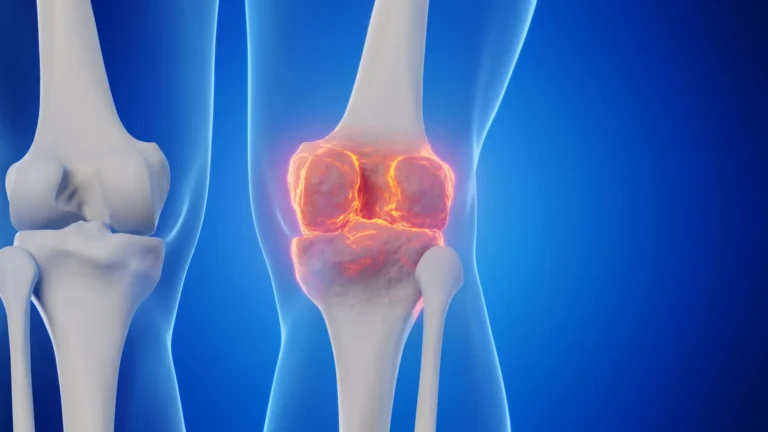
Weak muscles often leave joints unsupported, leading to chronic inflammation and pain. Strength training stabilizes the joints by fortifying the surrounding musculature, which in turn improves posture and alleviates the back and neck pain associated with modern, sedentary desk-bound lifestyles.
Demystifying the "Gym" Barrier
A major misconception persists that strength training requires a significant investment in time, money, or expensive equipment. This perception acts as a psychological barrier for millions of people.
In reality, the body is the ultimate resistance machine.
- Squats: These mimic the foundational human movement of sitting and standing.
- Step-ups: These mirror the mechanics of climbing stairs.
- Wall Push-ups: These build the chest and shoulder strength required for pushing doors or moving furniture.
For those looking to advance, resistance bands, kettlebells, or light dumbbells offer a portable, low-cost way to increase intensity. The goal is not to lift the heaviest weight in the room, but to challenge the body in ways that translate to the real world.
The Shift to Functional Training
The current standard in the fitness industry is "functional training." Unlike traditional bodybuilding, which isolates individual muscles (e.g., performing a bicep curl), functional training focuses on multi-joint movement patterns.
By training the body to move as a coordinated system—hinging, pushing, pulling, carrying, and rotating—individuals develop a level of physical intelligence that prevents injury. If you train your body to squat properly under a light load, you are essentially "training" your knees and hips to handle the daily demands of life with reduced risk of injury. This is the difference between having "gym strength" and "life strength."
Efficiency: The Modern Solution for Busy Lives
One of the greatest arguments for strength training in the 21st century is its efficiency. Current clinical guidelines suggest that two to three full-body sessions per week, lasting between 20 and 30 minutes, are sufficient to produce measurable improvements in muscle mass and metabolic health.
For the busy professional, the parent, or the retiree, this accessibility makes the barrier to entry lower than ever. The efficacy of these shorter, focused sessions has been validated by numerous studies, proving that consistency is far more important than the duration of the workout.
Implications for Public Health
Public health officials and geriatric specialists are increasingly recommending strength training as a first-line treatment for various age-related ailments. The implications are clear: a population that is physically stronger is a population that is more resilient.
By reducing the incidence of falls, improving metabolic health, and fostering independence, strength training reduces the long-term burden on healthcare systems. It allows individuals to "age in place" and maintain a standard of living that keeps them active, mobile, and engaged in their communities.
Implementing a Sustainable Routine
If you are new to resistance training, the path forward is defined by patience and progressive overload.
- Start Where You Are: Do not compare your beginning to someone else’s middle. Focus on mastering the technique of bodyweight movements.
- Progressive Overload: Progress is not defined by massive leaps. It is found in the subtle, consistent increase of repetitions, sets, or slight increases in resistance over weeks and months.
- Consistency Over Intensity: A moderate workout performed consistently for a year will yield infinitely better results than a high-intensity program that leads to burnout or injury within a month.
Conclusion: An Investment in Your Future
Strength is a depreciating asset if it is not maintained. Every session in the gym, every set of lunges in the living room, and every focused repetition is an investment in your future self.
Ultimately, the goal of strength training is not to change how you look in the mirror—though that is a common side effect—it is to change how you interact with the world. It is about maintaining the ability to live life on your own terms. By incorporating resistance training into your weekly routine, you are not just building muscle; you are building the physical capacity to continue doing the things you love for decades to come. Independence is the ultimate reward, and it is built one repetition at a time.