




As the global population ages, the challenge of maintaining robust health becomes increasingly tied to the resilience of our internal defense systems. A groundbreaking new study published in the journal Aging Cell suggests that a naturally occurring compound called spermidine may hold the key to bolstering immune responses in older adults, potentially offering a simple, dietary-based intervention to address the decline in vaccine efficacy that often accompanies the aging process.
The Challenge of Immunosenescence
The human immune system is a sophisticated, multi-layered defense network designed to identify and neutralize foreign pathogens. However, this system is not immune to the passage of time. As individuals enter their sixth, seventh, and eighth decades, the immune system undergoes a gradual, deleterious decline known as "immunosenescence."
This process is characterized by a reduced ability to mount effective responses to new infections and, perhaps more critically, a diminished capacity to respond to vaccinations. For older adults, this means that even after receiving the full regimen of recommended vaccines—whether for influenza, shingles, or COVID-19—they may fail to produce the robust antibody titers or T-cell responses necessary for long-term protection. This vulnerability leaves the elderly at higher risk for severe illness, hospitalization, and mortality during disease outbreaks.
The recent study, spearheaded by Dr. Katja Simon of the Max Delbrück Center and Dr. Ghada Alsaleh of the University of Oxford’s Nuffield Department of Orthopaedics, Rheumatology & Musculoskeletal Sciences (NDORMS), sought to determine if this decline could be reversed or mitigated by supplementing the body with spermidine.
What is Spermidine?
Spermidine is a polyamine—an organic compound containing two or more amino groups—found in every living cell. It plays a vital role in cellular growth, stability, and, crucially, autophagy. Autophagy is the body’s internal "recycling" mechanism, a process by which cells break down and clean out damaged components, misfolded proteins, and dysfunctional organelles.
As we age, the efficiency of autophagy begins to wane. This leads to the accumulation of "cellular debris," which contributes to a state of chronic, low-grade inflammation often referred to as "inflammaging." By supplementing with spermidine, researchers believe they can jump-start this recycling process, effectively clearing out the "biological rust" that prevents immune cells from functioning at their peak.
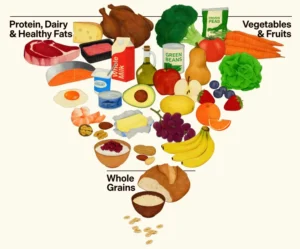
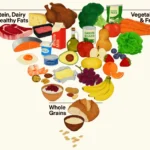
While the human body produces spermidine naturally, its levels decline with age. Fortunately, the compound is abundant in a variety of common foods, including wheat germ, mushrooms, aged cheeses like parmesan and cheddar, legumes, and certain nuts.
A Chronological Look at the Clinical Pilot
The investigation into spermidine was a meticulously designed pilot study involving a cohort of 40 healthy adults, all aged 65 or older. The timeline of the study was structured to coincide with the rollout of the third COVID-19 booster vaccination, allowing researchers to observe how the supplement interacted with the immune system’s response to an antigenic challenge.
Phase 1: Enrollment and Baseline Assessment
The study began with a baseline assessment of the 40 participants. Researchers measured their existing levels of immune function, DNA damage, and markers of cellular senescence. Cellular senescence occurs when cells reach a state of permanent growth arrest; they no longer divide or perform their intended functions but remain in the body, secreting inflammatory signals that can damage neighboring healthy cells.
Phase 2: The 13-Week Intervention
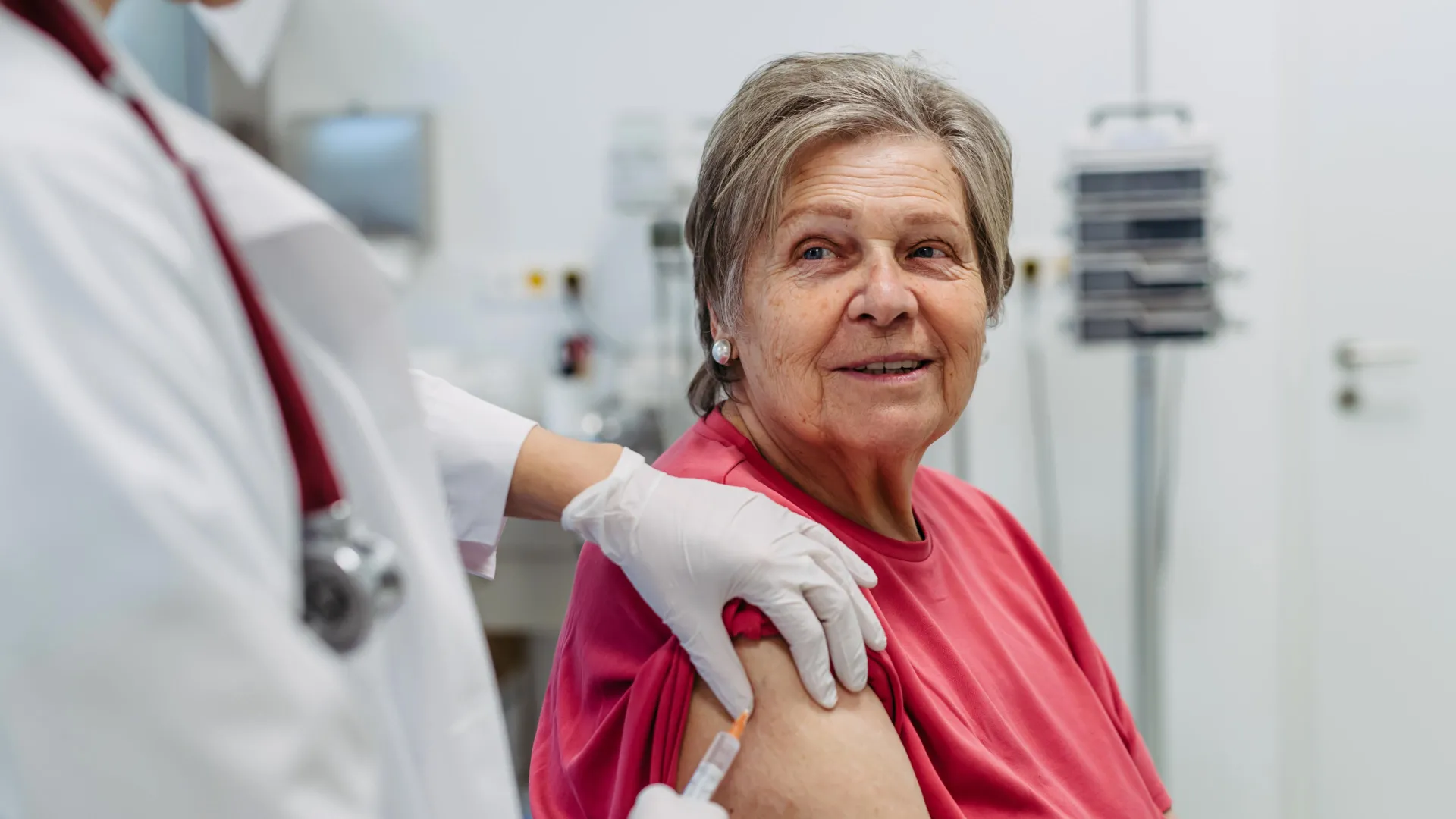
Following their third COVID-19 vaccination, participants were randomly assigned to one of two groups. The first group received a daily dose of 6 milligrams of spermidine, while the second group received a placebo. This double-blind, randomized protocol lasted for 13 weeks. Throughout this period, researchers monitored the participants for safety, tolerability, and any physiological changes in their immune markers.
Phase 3: Post-Trial Analysis
At the conclusion of the 13 weeks, the research team—which included experts from the Oxford Vaccine Group such as Drs. Paul Klenerman, Teresa Lambe, and Lucy Jones, as well as Owen B. Spiller from Cardiff University—conducted a comprehensive analysis of the participants’ blood samples. They looked for antibody titers, T-cell activity, and markers of biological aging within the immune system.
The Data: Turning the Tide on Non-Responders
One of the most striking findings of the study was the identification of a specific subset of "non-responders." Approximately 25% of the participants—even after three doses of the vaccine—showed very weak antibody responses. These individuals were identified as having higher levels of baseline cellular senescence and greater evidence of DNA damage within their immune cells.
For these individuals, the spermidine intervention proved to be a turning point. Among the non-responders who were given the supplement, there was a measurable, substantial improvement in vaccine-related immunity. Not only did these participants develop higher levels of antibodies against the SARS-CoV-2 virus, but their immune systems also exhibited stronger neutralizing activity against various viral variants.
Beyond the raw antibody counts, the molecular data provided a compelling mechanism for these improvements. The spermidine group showed a reduction in markers of immunosenescence and a corresponding increase in autophagic activity. The data suggested that by promoting the clearance of senescent cells, spermidine allowed the immune system to "reset," enabling the immune cells to better focus on the task of generating a targeted, protective response to the vaccine.
Official Perspectives and Expert Commentary
The researchers behind the study remain cautiously optimistic. Dr. Ghada Alsaleh emphasized the significance of the findings during a press briefing, noting that while many older adults maintain decent immune function, the "non-responder" demographic represents a critical vulnerability in public health.
"Many older adults respond well to vaccines," Alsaleh stated. "But some do not develop strong protection, even after repeated vaccination. Biological aging of immune cells may be one reason why this happens. Our findings suggest that spermidine could help restore aspects of immune function in this group."
Dr. Katja Simon, the study’s lead, echoed these sentiments but was quick to provide necessary scientific context. "This study was designed as a pilot trial and involved a relatively small number of participants," Simon noted. She stressed that while the results are promising, they should be viewed as "early evidence rather than definitive proof."
The safety profile of the trial was a significant highlight. Throughout the 13-week period, the researchers found no adverse effects associated with the daily 6mg dose of spermidine, suggesting that the supplement is well-tolerated by the older demographic—a key requirement for any future public health recommendation.
Implications for Future Medicine
The potential implications of this research are vast. If confirmed by larger, multi-center trials, spermidine could become a standard, low-cost adjuvant for vaccination programs targeting the elderly. By improving the "take" rate of vaccines, public health officials could potentially reduce the frequency of booster shots required and significantly lower the burden of disease in high-risk populations.
Beyond COVID-19: A Universal Immune Booster?
While this study focused on the COVID-19 vaccine, the researchers are already looking ahead. The mechanisms of immunosenescence are universal; they affect how the body responds to influenza, shingles, pneumonia, and other preventable diseases. If spermidine can improve autophagic recycling in immune cells, it stands to reason that its benefits could extend to almost any vaccination protocol, potentially closing the "efficacy gap" that currently exists between young and old patients.
The Rise of Nutraceuticals in Immunology
This study also highlights a growing trend in clinical research: the validation of nutraceuticals. For years, the health benefits of substances like spermidine were confined to the realm of nutritional science and observational studies. Now, with rigorous clinical trials in peer-reviewed journals like Aging Cell, these compounds are being elevated to the status of legitimate, evidence-based therapeutic interventions.
Moving Toward Larger Clinical Trials
Despite the enthusiasm surrounding these findings, the scientific community recognizes that 40 participants do not constitute a representative sample of the global population. To move toward clinical guidelines, several steps are necessary:
- Large-Scale Phase III Trials: Researchers must scale the study to include hundreds, if not thousands, of participants across diverse ethnic and geographical backgrounds to ensure the results are generalizable.
- Vaccine Diversity: Trials must test spermidine in conjunction with a variety of vaccines—particularly the seasonal flu shot, which poses a persistent challenge for elderly immunity every year.
- Long-Term Longitudinal Studies: It is vital to understand if the benefits of spermidine are sustained over time. Does the immune system continue to benefit after the supplement is discontinued, or does the effect dissipate?
- Optimal Dosing and Delivery: Further research is needed to determine the most effective dosage and whether natural dietary intake can achieve the same results as concentrated supplementation.
Conclusion: A Step Toward Healthy Aging
The research conducted by Dr. Simon, Dr. Alsaleh, and their colleagues provides a beacon of hope for improving the quality of life in our later years. By targeting the biological mechanisms of aging—specifically autophagy and cellular senescence—we may be able to turn back the clock on the immune system, making vaccines not just a recommendation, but a truly effective shield for everyone, regardless of age.
While we await larger studies, the existing data offers a compelling narrative: that the secrets to a stronger immune system may be found in the fundamental processes of cellular maintenance. As science continues to bridge the gap between nutrition and immunology, the prospect of "immunological rejuvenation" moves one step closer to reality, promising a future where aging does not necessarily mean a loss of protection.