









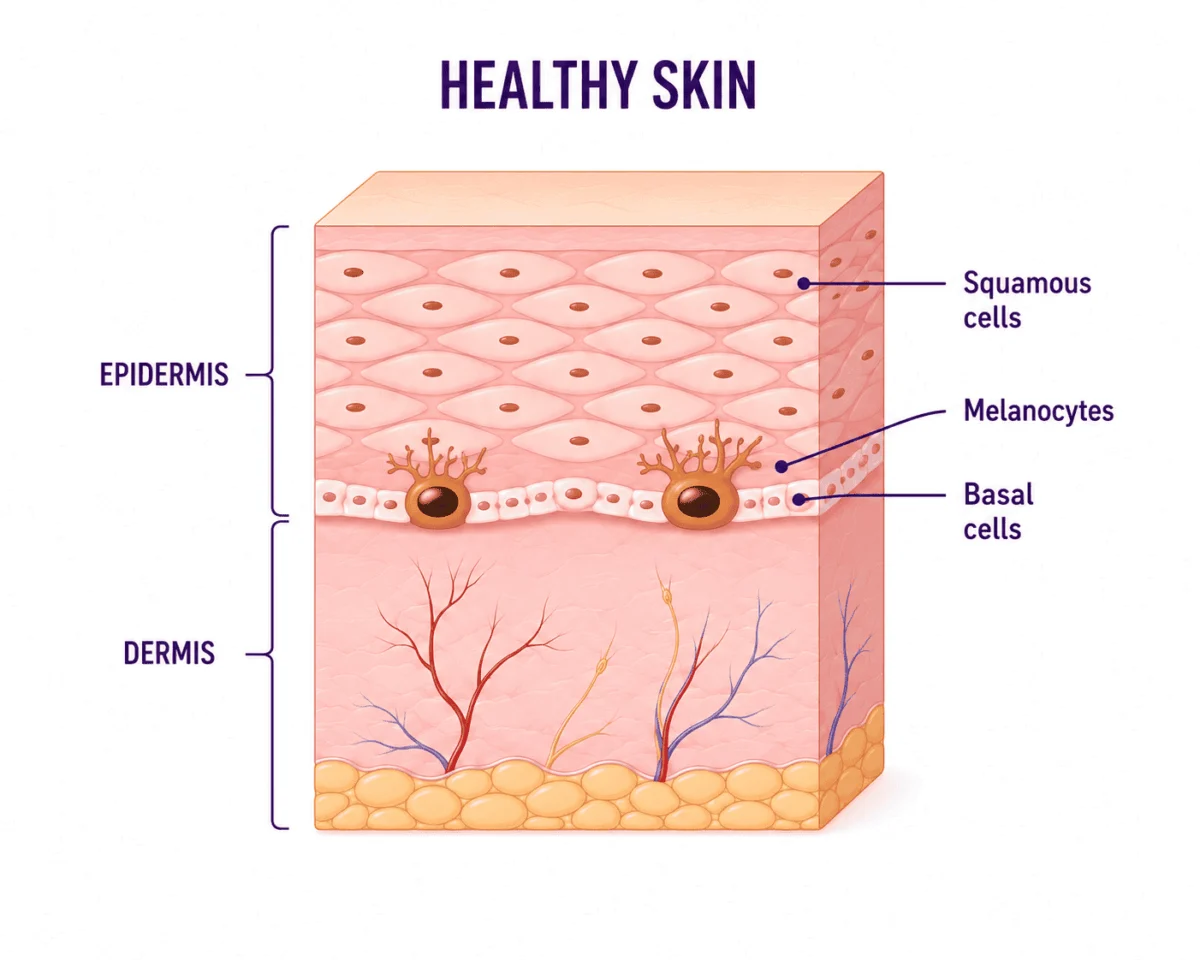
Your skin is the body’s largest and most vulnerable organ. Serving as the primary barrier between your internal systems and the external environment, it endures constant exposure to environmental stressors. Chief among these is Ultraviolet (UV) radiation. As we observe Ultraviolet (UV) Radiation Safety Awareness Month this July, the Cancer Research Institute (CRI) emphasizes that while skin cancer remains a pervasive health challenge, it is also one of the most preventable—and, thanks to modern science, increasingly treatable—conditions in medicine.
The Invisible Threat: Decoding UV Radiation
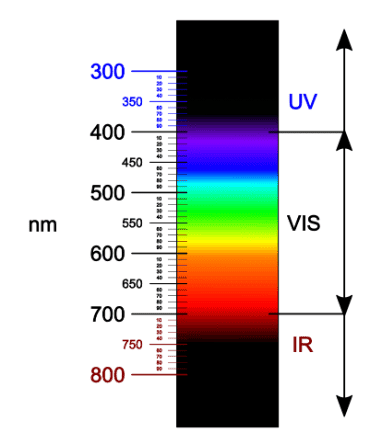
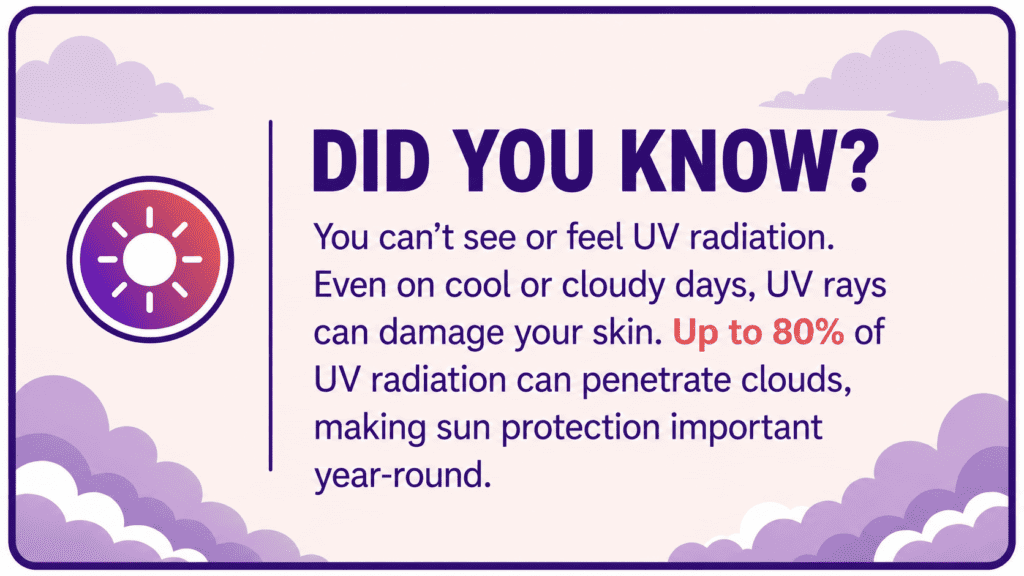
To protect yourself, you must first understand the enemy. UV radiation is an invisible form of electromagnetic energy emitted by the sun. With wavelengths ranging between 100 and 400 nanometers (nm), these rays are shorter than visible light but possess significantly higher energy than infrared radiation. While the sun is the primary source, artificial exposure—such as that from tanning beds—contributes significantly to the global burden of skin disease.
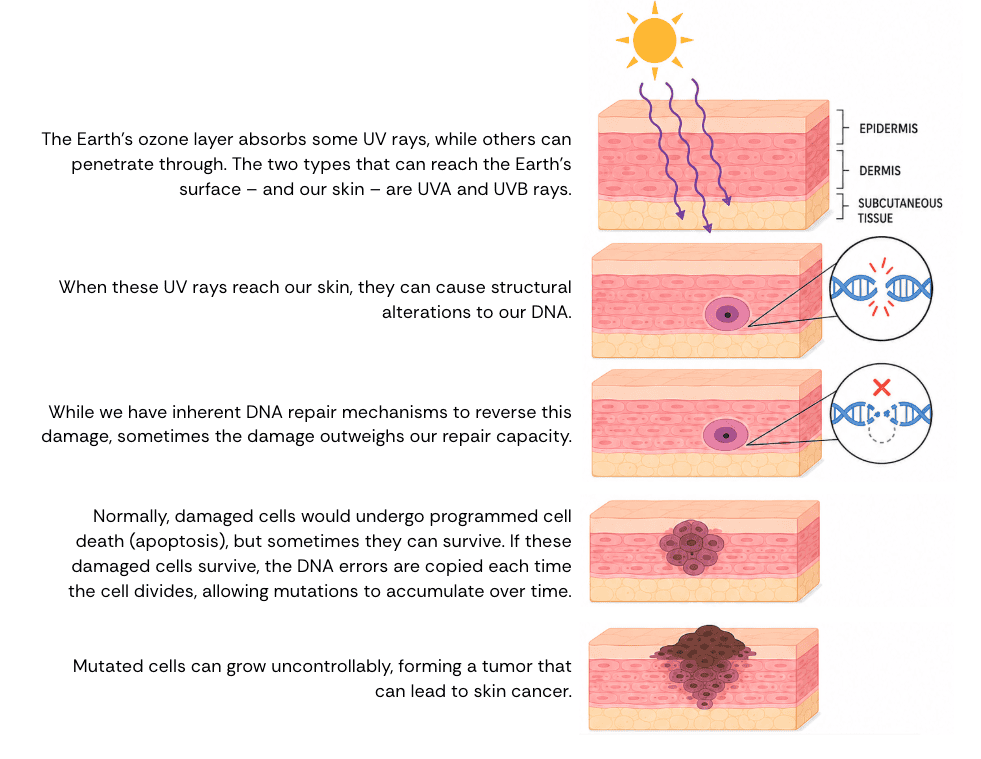
The danger of UV radiation lies in its cumulative nature. Unlike a sunburn that heals in a few days, the underlying DNA damage inflicted on your skin cells persists. Every instance of unprotected sun exposure causes mutations in the skin’s cellular architecture. Over years, these mutations accumulate, potentially overwhelming the body’s natural repair mechanisms and triggering the uncontrolled cell growth we identify as cancer.
The Mechanism of Malignancy
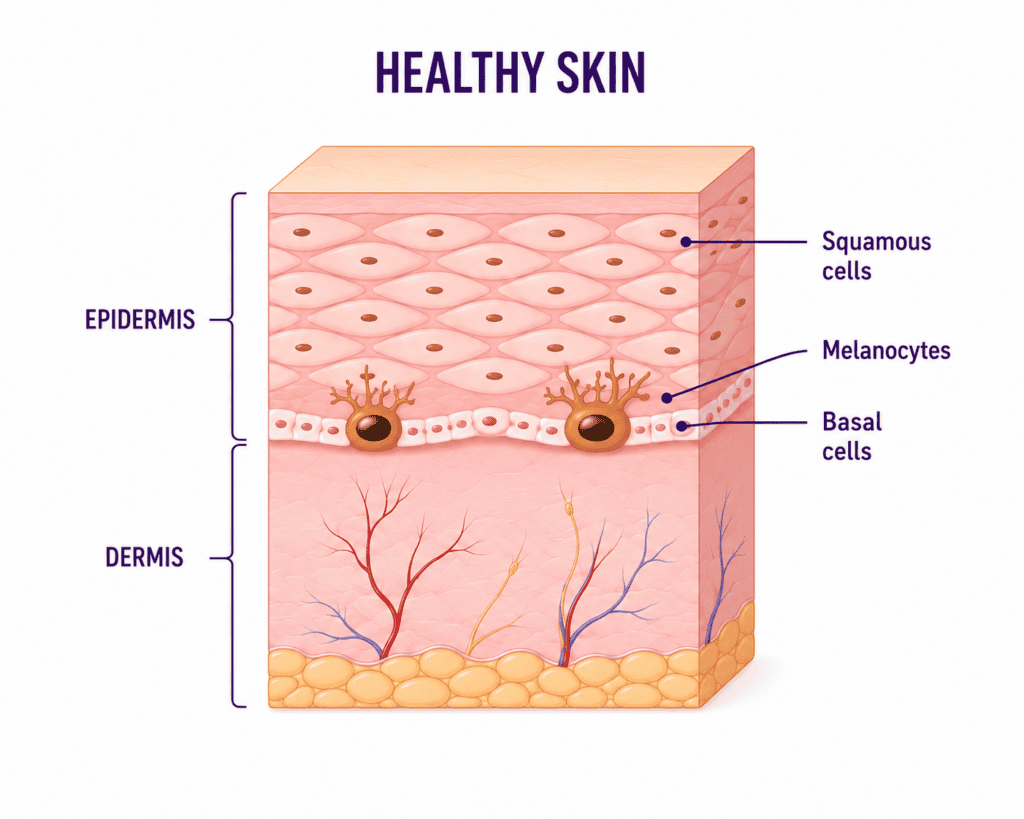
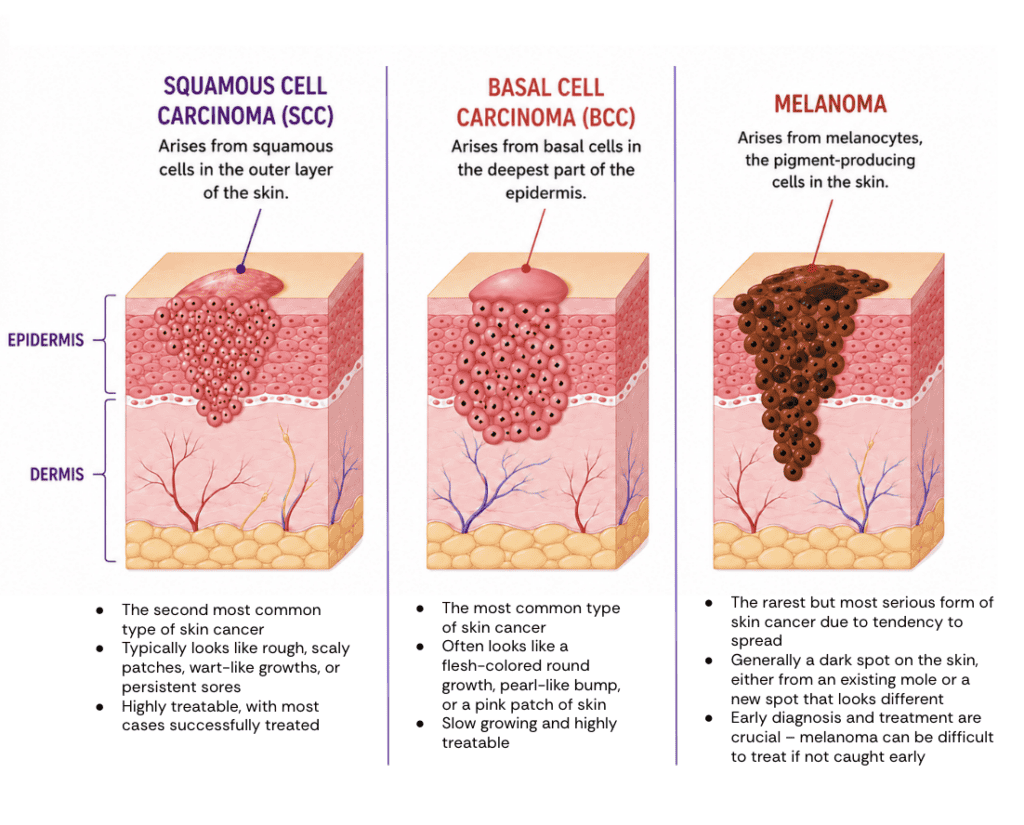
Skin cancer originates when UV radiation penetrates the epidermis and reaches the cellular DNA. When this genetic code is compromised, the cell loses its ability to regulate its own division. These damaged cells may begin to proliferate aggressively, forming the tumors associated with various types of skin cancer. Prevention is fundamentally a game of obstruction: utilizing SPF 30+ sunscreen, wearing UPF-rated clothing, and seeking shade creates a physical or chemical shield that prevents these high-energy rays from reaching the DNA in the first place.
Chronology of a Medical Breakthrough: The Immunotherapy Era
For decades, a diagnosis of advanced melanoma was viewed as a terminal prognosis. However, the last twenty years have witnessed a paradigm shift in oncology, largely driven by the development of immunotherapy.
The Genesis of Immune Checkpoint Inhibitors
The pivotal moment in this evolution was the discovery of "immune checkpoints"—molecular "brakes" that tumors use to suppress the immune system. Cancer cells are experts at camouflage; they display specific proteins that trick the immune system into ignoring them.
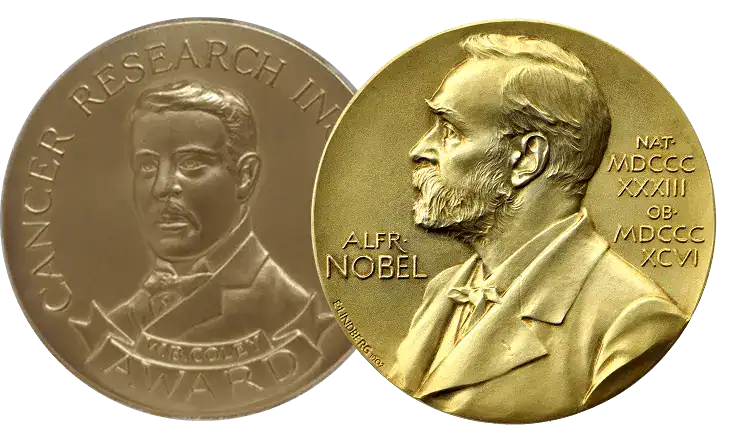
The breakthrough came from the research of Dr. James P. Allison, the Director of the Cancer Research Institute’s Scientific Advisory Council. Dr. Allison theorized that if one could block these inhibitory signals, the immune system would "release the brakes" and recognize cancer cells as foreign invaders. His work led to the development of Immune Checkpoint Inhibitors (ICIs), a class of drugs that has turned terminal melanoma into a manageable—and often curable—condition. For his foundational work in this field, Dr. Allison was awarded the Nobel Prize in Physiology or Medicine in 2018.
A Case Study in Survival: The Story of Sharon Belvin
The human impact of this research is best illustrated through patients like Sharon Belvin. In the early 2000s, as a 22-year-old facing a Stage 4 melanoma diagnosis, Belvin was told she had run out of traditional treatment options. She became one of the first participants in the early clinical trials for ICIs.
"Hearing the words ‘You have cancer’ carries a weight that is almost impossible to describe," Belvin later recalled. "I remember the fear, the uncertainty, and the question that echoed in my mind every single day: How much time do I really have left?"
Today, over two decades later, Sharon Belvin remains cancer-free. Her survival is not merely a medical miracle; it is the culmination of decades of fundamental research in immunology. The labs that Dr. Allison and his colleagues led paved the way for the therapy that saved her life, proving that the gap between theoretical science and clinical reality can be bridged.
Supporting Data: Why Innovation Must Continue
While the success of ICIs is historic, the medical community remains clear-eyed about the limitations of current treatments. Statistics indicate that between 30% and 50% of patients with advanced melanoma still do not respond to standard ICI therapy. Understanding why some patients thrive while others do not is the current "frontier" of cancer research.
The "Cellular Neighborhood" Approach
To solve this, researchers like Dr. Katie Campbell, a former CRI Postdoctoral Fellow and adjunct professor at UCLA, are utilizing spatial biology to analyze the tumor microenvironment. Dr. Campbell posits that the arrangement of cells within a tumor is just as important as the types of cells present.
She describes these environments as "cellular neighborhoods"—complex systems where immune cells, blood vessels, and cancer cells are in constant, dynamic communication. By using high-resolution imaging, her team captures "snapshots" of these neighborhoods both before and during treatment.
"It’s like taking a picture of a bike race before it starts," Dr. Campbell explains. "Before the race, you can just say there’s a bunch of bikes. Once they’re moving, you can say which cyclists are at the front of the pack versus the back—and you can do a lot more inference about what’s happening." By observing the immune system in motion, researchers hope to identify predictive biomarkers that will tell clinicians which patients will respond to therapy before they ever receive their first dose.
Official Perspectives: The Path Forward
The Cancer Research Institute (CRI) maintains that the future of oncology lies in a two-pronged strategy: aggressive primary prevention and precision-based intervention.
Implications for Patient Care
The goal of current research is to move away from "trial and error" treatment models. Currently, patients who fail to respond to a specific immunotherapy may undergo multiple rounds of ineffective treatment, losing both time and physiological strength. The research being conducted by scientists like Dr. Campbell aims to shorten this timeline, allowing for earlier intervention and more personalized care plans.
Official reports from leading oncological institutions suggest that the integration of artificial intelligence and spatial biology into routine diagnostics could revolutionize treatment within the next decade. By mapping the "cellular architecture" of a patient’s tumor, doctors may soon be able to tailor immunotherapy protocols to individual biological signatures, effectively increasing response rates and reducing toxicity.
Conclusion: Protecting Your Health Today and Tomorrow
As we move through UV Radiation Safety Awareness Month, the message is one of empowerment. Skin cancer prevention remains the most effective way to avoid the trauma of a cancer diagnosis. Simple habits—the consistent use of broad-spectrum sunscreen, the wearing of protective clothing, and regular, proactive skin screenings—are not merely minor lifestyle choices; they are fundamental health requirements.
However, for those who do face a diagnosis, the landscape of care has never been more promising. The progress made in the last two decades is a testament to the power of dedicated research. From the foundational discoveries of Nobel laureates like Dr. James Allison to the innovative, spatial-mapping techniques of the next generation of researchers, we are moving toward a future where skin cancer is not just treated, but mastered.
Every step you take to protect your skin today—and every dollar invested in the science of tomorrow—helps bridge the gap between a life-threatening diagnosis and a story of survival. Whether you are applying SPF before heading out for a summer hike or advocating for further cancer research, you are part of a global movement to ensure that fewer people develop skin cancer, and more people survive it.
Disclaimer: This article is for informational purposes only and does not constitute medical advice. If you have concerns about your skin health or have discovered new or changing moles, please consult a dermatologist or healthcare professional immediately.