










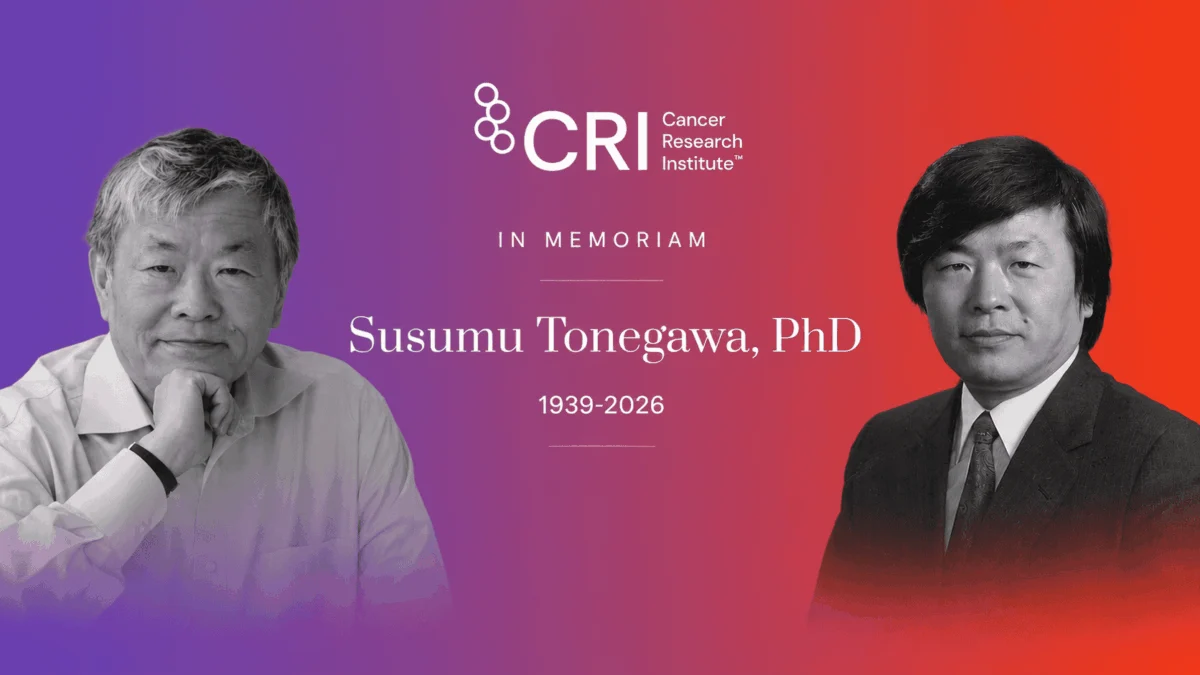
The global scientific community is in mourning following the passing of Dr. Susumu Tonegawa, a visionary molecular biologist whose work fundamentally altered our comprehension of human biology. Dr. Tonegawa, a Nobel laureate and a pillar of the Cancer Research Institute’s (CRI) Scientific Advisory Council, passed away on July 11, 2026, at the age of 86.
Dr. Tonegawa’s life was defined by a relentless pursuit of the unknown. From deciphering the genetic choreography of the immune system to mapping the neural architecture of memory, he operated at the intersection of disciplines, proving that the most profound discoveries often emerge from the courage to challenge established dogma. His death marks the end of a transformative era in biomedical research, yet his legacy remains woven into the very fabric of modern medicine.
The Genetic Breakthrough: Unlocking the Immune System’s Secret
To understand the magnitude of Dr. Tonegawa’s contribution, one must look back to the biological landscape of the 1970s. At the time, immunologists were faced with a paradox: how does the human body, possessing a limited number of genes, generate a vast, nearly infinite repertoire of antibodies to combat an ever-evolving array of pathogens?
Conventional wisdom suggested that the body must possess a separate gene for every possible antibody—a physical impossibility given the constraints of the human genome. Dr. Tonegawa shattered this assumption. In a series of elegant, high-stakes experiments, he demonstrated that immune cells—specifically B cells—undergo a unique process of somatic DNA rearrangement.
He discovered that immune cells "cut and paste" segments of their own DNA as they mature. By shuffling these genetic building blocks, the immune system creates millions of unique combinations, allowing it to produce an antibody capable of recognizing almost any foreign invader. This discovery, published in landmark papers during his tenure at the Basel Institute for Immunology, solved a riddle that had baffled scientists for decades.
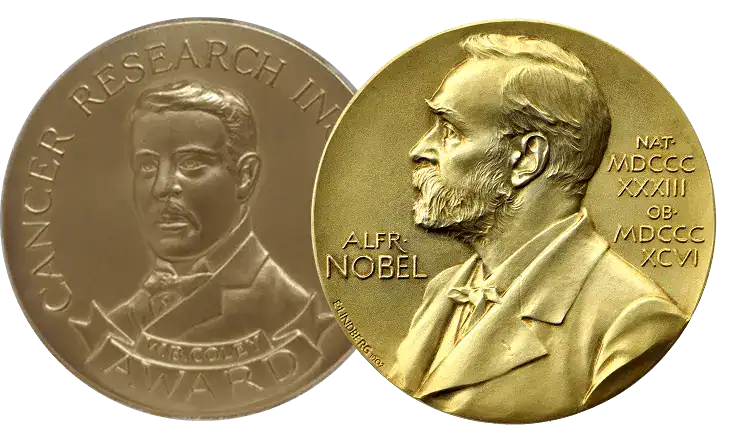
In 1987, his ingenuity was recognized with the Nobel Prize in Physiology or Medicine. The Nobel Committee noted that his work did not merely add to our knowledge; it redefined the fundamental principles of genetic organization in multicellular organisms.
Chronology: A Career of Unprecedented Scope
The trajectory of Dr. Tonegawa’s career was marked by a rare ability to excel in disparate fields.
- 1939: Born in Nagoya, Japan.
- 1963: Graduated from Kyoto University with a degree in chemistry.
- 1968: Earned his PhD from the University of California, San Diego, focusing on molecular biology.
- 1971–1981: Conducted his most pivotal immunological research at the Basel Institute for Immunology in Switzerland.
- 1981: Joined the faculty at the Massachusetts Institute of Technology (MIT), where he would spend the remainder of his professional career.
- 1987: Awarded the Nobel Prize in Physiology or Medicine.
- 1994: Founded the Picower Institute for Learning and Memory at MIT, shifting his focus to neuroscience.
- 2006–2026: Served as a distinguished member of the Cancer Research Institute’s Scientific Advisory Council, guiding the next generation of immunotherapy researchers.
After mastering the mechanics of the immune system, Dr. Tonegawa made a transition that shocked many in the scientific world. He pivoted to neuroscience, applying the same molecular rigor to the study of memory, synaptic plasticity, and the biological basis of learning. His work at the Picower Institute led to groundbreaking insights into how the brain encodes and retrieves information, demonstrating that his intellectual curiosity knew no disciplinary boundaries.
Scientific Implications: The Foundation of Modern Immunotherapy
The impact of Dr. Tonegawa’s work extends far beyond the textbook explanations of antibody diversity. Today, his discoveries serve as the bedrock for the most promising frontier in oncology: cancer immunotherapy.
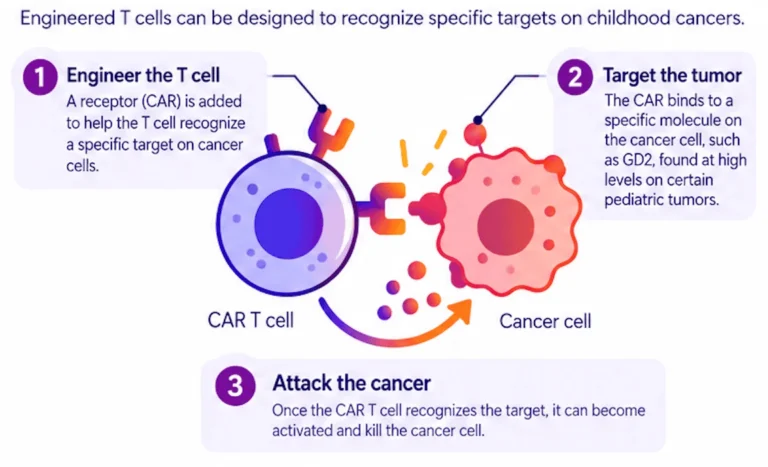
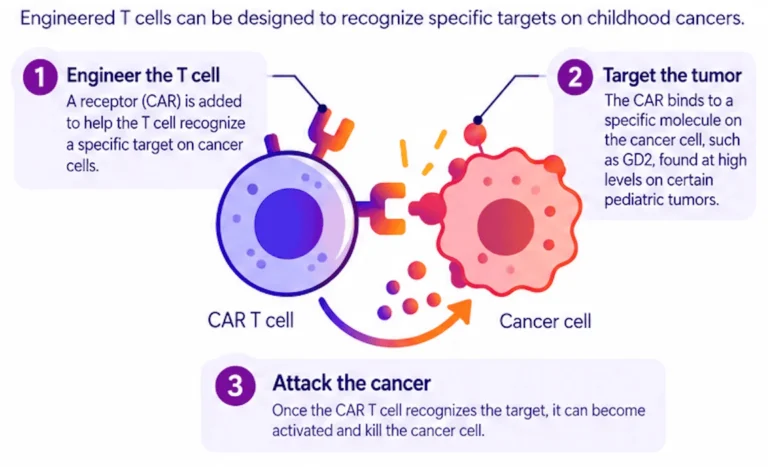
By revealing how the immune system generates specificity, Dr. Tonegawa provided the "how-to" manual for modern medicine. Therapies such as CAR-T cell therapy, which involves engineering a patient’s own immune cells to identify and destroy cancer cells, are direct descendants of his foundational research.
"The history of cancer immunotherapy rests on a handful of discoveries that fundamentally changed how we think about the immune system," says Dr. Alicia Zhou, CEO of the Cancer Research Institute. "Dr. Tonegawa’s discovery of the genetic mechanism that creates antibody diversity is one of them. His work revealed the remarkable adaptability of the immune system and forever changed how scientists study immunity, disease, and cancer."
His influence on cancer research was not merely theoretical. As a member of the CRI’s Scientific Advisory Council, Dr. Tonegawa played an active role in vetting and supporting high-risk, high-reward research. He championed the idea that we must treat the immune system not just as a defensive force, but as a dynamic, trainable, and programmable weapon against malignancy.
The Philosophy of Discovery
In his later years, Dr. Tonegawa became a mentor to a new generation of scientists, often emphasizing that true creativity in science requires more than just technical skill. In an interview that went viral, he distilled his philosophy of creativity into three principles:
- The Courage to be Naïve: He encouraged scientists to approach new problems without being weighed down by the "conventional wisdom" that often stifles innovation.
- The Necessity of Persistence: He noted that breakthrough results are rarely achieved in the first attempt; they are the byproduct of rigorous failure and the willingness to iterate.
- The Power of Collaboration: He believed that the most complex questions—whether in immunology or neuroscience—require a diversity of perspectives.
These principles defined his tenure at the Cancer Research Institute. Colleagues describe him as a man of profound humility who, despite his Nobel status, was always the first to ask the most challenging question in a room, not to undermine, but to elevate the scientific discourse.
Honoring a Lasting Legacy
The loss of Dr. Tonegawa is a profound blow to the international research community. However, his influence persists in the laboratories of MIT, the corridors of the Cancer Research Institute, and in the clinics where patients receive life-saving immunotherapies.
His life serves as a blueprint for the modern scientist: interdisciplinary, courageous, and deeply committed to the betterment of humanity. As we reflect on his achievements, it is clear that his legacy is not contained in the awards on his shelf, but in the countless lives saved by the medical advancements that his fundamental discoveries made possible.
The Cancer Research Institute extends its deepest condolences to his family, friends, and the legions of students who were fortunate enough to learn under his guidance. Dr. Tonegawa’s journey, from a chemistry student in Japan to a global titan of science, reminds us that while our genes may be finite, the human capacity for discovery is truly limitless.
As the world moves forward in the quest to conquer cancer, the intellectual spirit of Susumu Tonegawa will continue to be a guiding light, reminding us all that if we remain curious, diligent, and willing to challenge the status quo, there is no biological mystery that cannot be solved.