










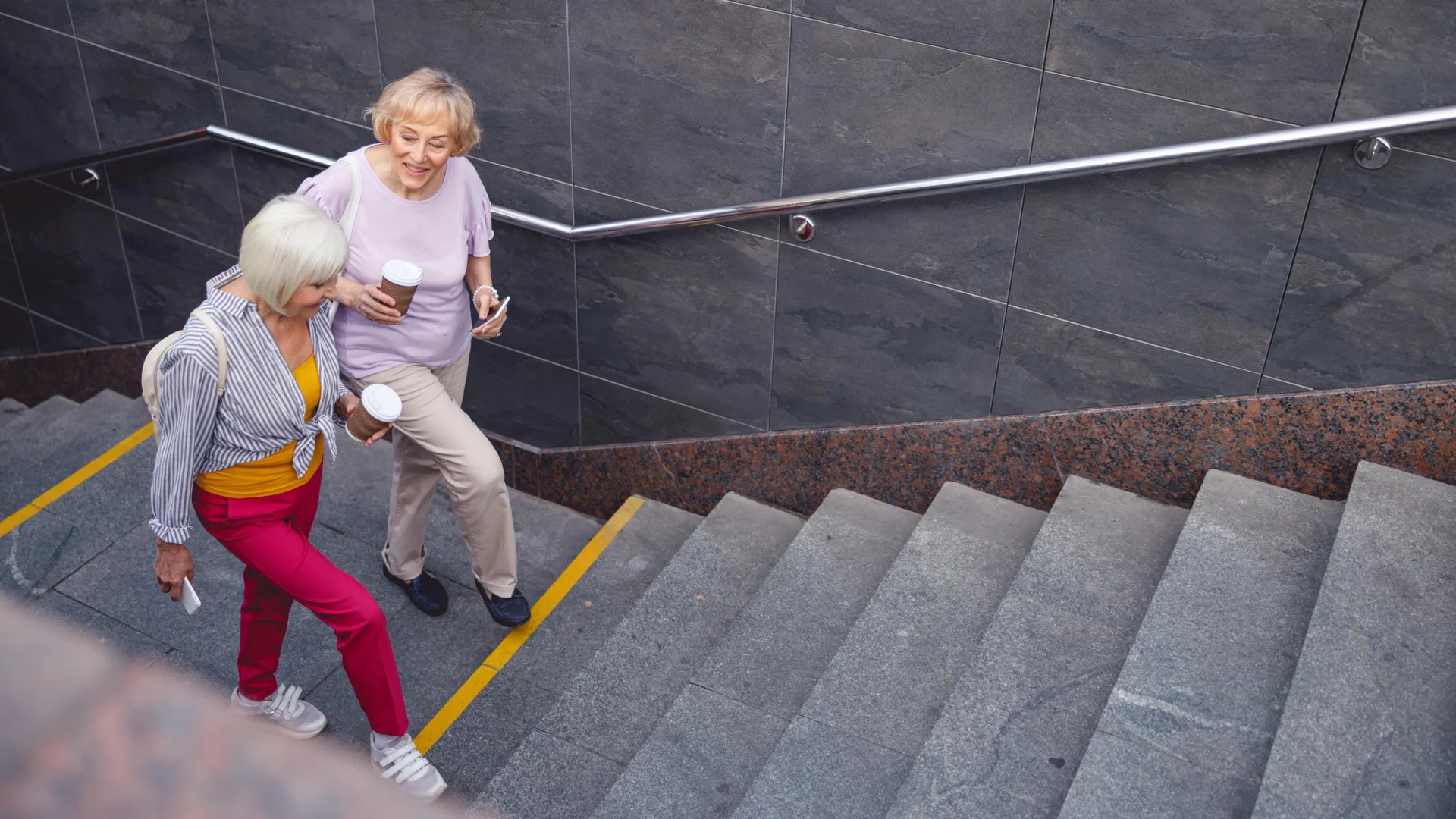
In an era where high-tech fitness trackers and expensive gym memberships often dominate the conversation surrounding longevity, new research suggests that one of the most effective tools for extending your life might already be located in your office lobby or apartment stairwell. A comprehensive study conducted by the University of East Anglia (UEA) and the Norfolk and Norwich University Hospital has provided compelling evidence that choosing the stairs over the elevator is not merely a minor lifestyle choice—it is a significant, life-saving intervention.
Published in the American Journal of Cardiovascular Drugs, the research offers a powerful incentive for the sedentary population: regular stair climbing is linked to a substantially lower risk of death from cardiovascular disease and a lower risk of premature mortality from any cause.
The Core Findings: A Quantitative Leap in Longevity
The scale of the study is what sets it apart in the field of preventative cardiology. Researchers performed a rigorous systematic review and meta-analysis, examining nearly 1,900 initial studies before synthesizing data from nine high-quality trials. The final cohort included over 480,000 participants, ranging from 35 to 84 years old, with a gender split of 53% women. The study tracked these individuals over a median period of 14 years, providing a robust long-term perspective on the impact of physical activity.
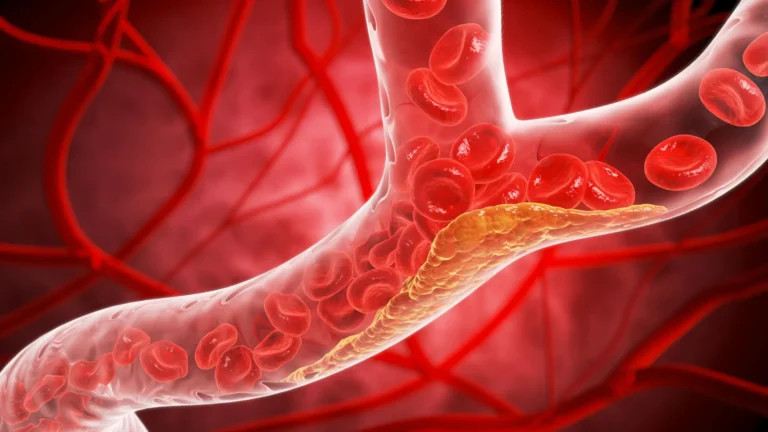
The results are striking. Individuals who made stair climbing a regular habit were found to be 39% less likely to die from heart-related causes and 24% less likely to die from any cause compared to those who avoided stairs. Beyond mortality rates, the study highlighted a significant reduction in the incidence of major cardiovascular events, including heart attacks, strokes, and heart failure.
For a global population currently grappling with a rise in heart-related deaths—cases have nearly doubled between 1990 and 2019—these findings offer a practical, low-cost solution that requires neither special equipment nor significant time investment.
Chronology of the Research: From Systematic Review to Clinical Insight
The journey to these findings began with a fundamental question: Can the small, incidental bursts of physical activity found in everyday life truly compete with structured exercise?
- Initial Screening: The research team, led by experts from the Norwich Medical School, initiated their investigation by auditing nearly 1,900 existing studies related to physical activity and cardiovascular health.
- Data Synthesis: By filtering these for quality and relevance, the team narrowed their focus to nine primary studies, allowing them to consolidate data from nearly half a million people.
- Observation Phase: Throughout the 14-year follow-up period, researchers monitored the health outcomes of both healthy participants and those with a prior history of cardiac issues, creating a diverse dataset that mirrors the general population.
- The "Dose" Analysis: A critical phase of the research involved analyzing whether there was a "threshold" for benefits. While the data suggests that more stairs correlate with better outcomes, the researchers emphasized that even small, consistent changes produced measurable health improvements.
Supporting Data: Why Stairs Work
Why does the simple act of climbing stairs trigger such profound health benefits? The answer lies in cardiorespiratory fitness. Previous research, often cited within the current study, suggests that just a few minutes of climbing stairs several times a week can drastically improve cardiovascular efficiency and lower cholesterol levels.
While the "ideal dose" of stair climbing is still being refined, one large cohort study included in the analysis suggested that climbing approximately six flights of stairs each day may provide the most significant health protection. However, the researchers are quick to caution against viewing this as a rigid prescription. The primary goal is to encourage a shift in behavior.
Dr. Sophie Paddock, a cardiology specialist registrar at the NNUH and a lead researcher on the project, notes that the beauty of stair climbing lies in its "accessibility." Unlike a gym workout, which requires travel time, gear, and mental preparation, stairs are omnipresent. They are an "achievable target" that can be integrated into the most chaotic daily schedules, whether at home, in the workplace, or while navigating public spaces.
Official Responses and Expert Perspective
The implications of this study have drawn significant attention from the medical community. Prof Vassilios Vassiliou, of UEA’s Norwich Medical School, frames the findings within the broader context of the global cardiovascular crisis.
"Cardiovascular disease is the leading cause of death worldwide," Prof Vassiliou stated. "While we often emphasize medication or major lifestyle overhauls, we sometimes overlook the power of the ‘micro-habit.’ Taking the stairs is a practical and often overlooked way to build physical activity into daily life. We wanted to better understand how this everyday activity could have life-saving potential."
The researchers stress that while many people are aware of the benefits of exercise, more than a quarter of the global adult population fails to meet the recommended activity levels. By framing stair climbing as a "realistic, scalable intervention," the authors are calling for a public health strategy that encourages the use of stairs in urban planning, office design, and residential infrastructure.
Implications for Public Health and Urban Design
The findings carry significant weight for policymakers and city planners. If the simple choice between an elevator and a staircase can reduce mortality rates by such a significant margin, then the environment in which we live and work should be designed to facilitate that choice.
The Workplace Shift
Office buildings are prime environments for this intervention. By improving the visibility, lighting, and convenience of stairwells, corporations could inadvertently improve the health of their workforce. As Dr. Paddock suggests, "If you have the choice of taking the stairs or the lift, go for the stairs as it will help your heart."
Population-Level Strategy
On a macro scale, the research supports the integration of physical activity into the fabric of daily life. Rather than relying solely on the "leisure time exercise" model—which often fails to reach the most sedentary segments of the population—public health messaging should emphasize "incidental activity." This is a low-barrier-to-entry approach that does not require a gym membership or specialized athletic ability.
Limitations and Future Directions
While the study is highly optimistic, the researchers are careful to maintain scientific rigor. They acknowledge that stair climbing is not a panacea and is not appropriate for everyone. Specifically, individuals with significant mobility limitations, severe joint conditions, or specific medical contraindications should consult with their healthcare providers before drastically increasing their activity levels.
Furthermore, the team highlights the need for future research to be even more precise. While the current study relies on self-reported data and existing cohorts, upcoming trials should utilize wearable technology—such as pedometers and smartwatches—to track the exact volume and intensity of stair climbing. This would allow researchers to provide a more tailored, evidence-based recommendation for the "optimal dose" of stair climbing needed to maximize heart health benefits.
Conclusion: A Step in the Right Direction
The research from the University of East Anglia and the Norfolk and Norwich University Hospital serves as a refreshing reminder that health is often found in the choices we make throughout the day, rather than in grand, occasional gestures.
By identifying the stairwell as a vital venue for cardiovascular protection, the study empowers individuals to take charge of their own health in the most literal sense. It is a rare instance where the most effective medicine is also the most accessible. As the evidence continues to mount, the simple instruction—"take the stairs"—may well become a cornerstone of future cardiovascular disease prevention strategies, proving that the road to a longer, healthier life might just be a flight of stairs away.