








For many women approaching their seventh decade, the narrative surrounding aging is often one of inevitable decline—a slow surrender of mobility, bone density, and independence. However, a growing body of evidence from the field of exercise physiology suggests that this decline is not an inescapable biological mandate. Instead, it is often the result of "disuse atrophy," a process that can be reversed with surprising efficiency.
As a veteran personal trainer with four decades of experience and co-founder of the fitness education provider TRAINFITNESS, I have spent the last 25 years studying how the female body responds to load. The most significant revelation? You do not need high-impact plyometrics, complex gym equipment, or grueling floor-based routines to turn back the clock. By focusing on four fundamental movement patterns, women over 60 can rebuild their physiological foundation, ensuring not just a longer life, but a more independent one.
The Silent Crisis: Why Strength Matters
The single most accurate predictor of a woman’s ability to remain independent well into her 80s is her muscular strength. Yet, ironically, it is the one metric most women are encouraged to worry about the least.
The Muscle-Aging Connection
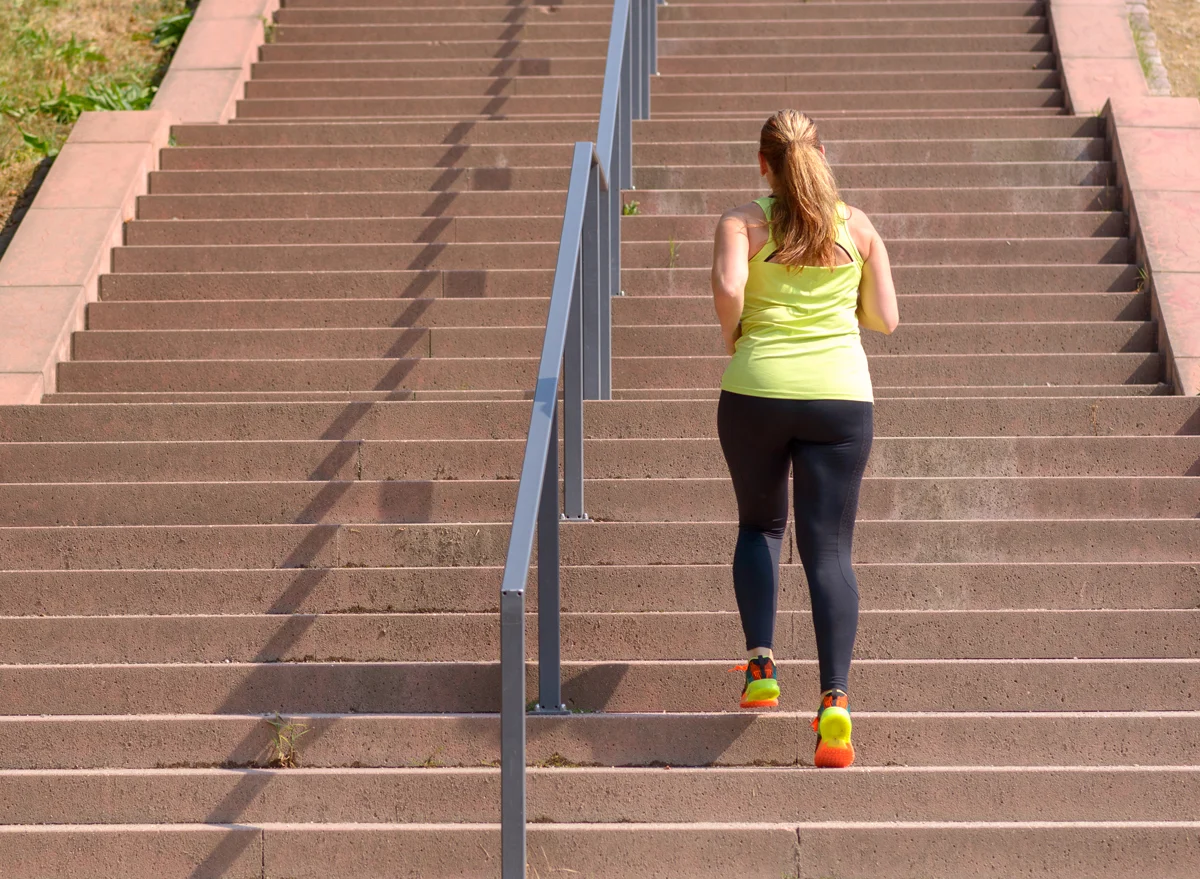
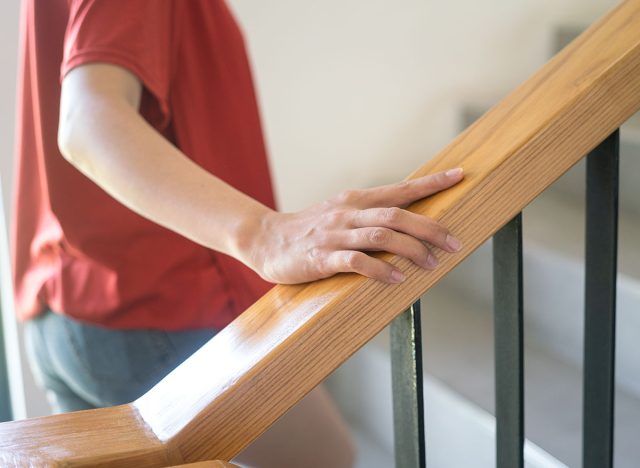
Muscle loss—medically known as sarcopenia—often begins in the 40s and accelerates sharply during the menopausal transition. By the time many women reach their 60th birthday, they have lost 15 to 20 percent of the muscle mass they possessed in their 40s. This isn’t merely an aesthetic concern; it is a mechanical one. When the glutes and quadriceps weaken, the simple act of rising from a sofa, navigating a staircase, or stepping out of a bathtub becomes a taxing physical challenge.
The Hidden Impact of Upper Body Neglect
While lower body strength is vital for mobility, upper body strength is the unsung hero of daily autonomy. Historically, women were discouraged from heavy lifting, leading to a lifetime of under-trained shoulders, chests, and backs. By age 60, this manifests as difficulty carrying groceries, opening stubborn jars, or even lifting a grandchild. These tasks, once performed with subconscious ease, now require deliberate, often exhausting, effort.
Grip Strength and Mortality
Perhaps most startling is the correlation between grip strength and longevity. Research consistently identifies handgrip strength as a vital sign of overall health. A weak grip is often a harbinger of frailty, increased fall risk, and reduced life expectancy. Despite its importance, few women over 60 actively train their grip, allowing it to decline by 30 percent or more relative to their younger years.
The Bone Density Factor
While strength and bone density are distinct, they are deeply intertwined. Muscles act as the primary stimulus for bone health; when we place mechanical load on our muscles, they pull on our bones, signaling them to remain dense and resilient. If the muscles are weak, the bones receive no such signal. By loading the body with resistance, we are effectively protecting our skeletal structure from osteoporosis.
Why We Should Retire "High Impact" and "Floor Work"
Traditional fitness advice for older adults often leans toward jumping exercises or complex mat-based yoga and Pilates. For many women over 60, however, these approaches are either impractical or counterproductive.
The Cost of High Impact
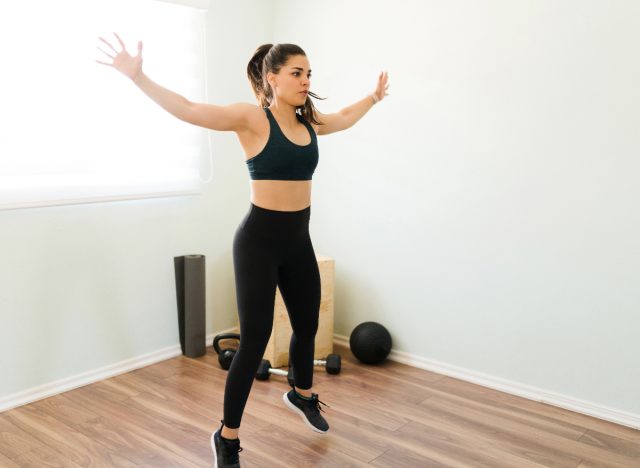
Jumping jacks and high-impact aerobics are excellent for bone density, but they come with a "joint tax." If the knees, hips, and ankles have not been subjected to high-impact stress in decades, introducing it suddenly is a recipe for injury. The risk of inflammation or joint trauma often outweighs the cardiovascular or strength benefits for this demographic.
The Barrier of Floor Work
The "floor barrier" is a significant psychological and physical deterrent. For many, the transition from standing to the floor and back up is the most difficult part of the workout. This takes energy away from the actual exercise and introduces unnecessary frustration. By shifting to standing, seated, and wall-based exercises, we eliminate the need for specialized equipment or the fear of being unable to get back up, making consistency—the true key to success—much easier to achieve.
The Four Pillars of Strength
The following program is designed to be performed in the comfort of your home, requiring no equipment beyond a sturdy chair, a wall, and two water bottles.
1. Chair Squat With Pause
This move mimics the fundamental human movement of sitting and standing. By adding a pause at the bottom, we remove momentum, forcing the glutes and quads to work harder.
- The Technique: Stand in front of a sturdy chair. Lower your hips slowly until your glutes gently touch the seat, hold for a one-second pause, and push back up.
- The Focus: Keep your weight in your heels and your chest upright.
- Reps: 10–12 per set.
2. Wall Push-Up With Slow Lower
This is the gold standard for upper body strength. It targets the pectorals, deltoids, and triceps while engaging the core to maintain a straight line from head to heels.
- The Technique: Place your hands on a wall at shoulder height. Step back slightly. Lower your chest toward the wall over a count of four seconds, then push back to the starting position.
- The Focus: The slow lowering phase (eccentric load) is where the strength gains occur.
- Reps: 10–12 per set.
3. Doorway Row
The antidote to the "forward slump" that often accompanies aging, this move strengthens the rhomboids and lats between the shoulder blades.
- The Technique: Stand in a doorway, gripping the frame with both hands. Lean back slightly, then pull your chest toward the frame by squeezing your shoulder blades together.
- The Focus: Keep your elbows close to your body and your shoulders down, away from your ears.
- Reps: 10–12 per set.
4. Standing Overhead Press With Water Bottles
Overhead strength is critical for maintaining posture and preventing the "forward head" carriage that often occurs with age.
- The Technique: Hold a water bottle in each hand. Start with your hands at shoulder level and press them directly overhead until your arms are straight. Lower with control.
- The Focus: Squeeze your glutes throughout the press to stabilize your lower back.
- Reps: 10–12 per set.
Implementation: The Road to 10 Years Younger
Consistency is the ultimate driver of physiological change. Starting with twice-weekly sessions allows your body to recover, as muscle growth occurs during rest, not during the workout itself.
The Progression Protocol
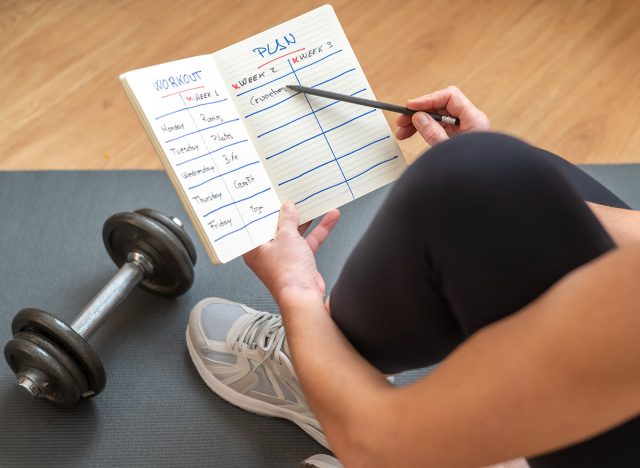
- Month 1: Focus on form and consistency. Two sessions per week, 2 sets of each exercise.
- Month 2: Increase to 3 sets.
- Month 3 and Beyond: Increase the challenge. Add larger water bottles for more weight, hold the squat pause longer, or slow down the push-up phase.
What to Expect: A Biological Retrospective
The beauty of the human body is its responsiveness to stimulus at any age.
- Weeks 1–2 (Neural Adaptation): You will feel "steadier." This is not an increase in muscle size yet, but your brain learning to better recruit existing muscle fibers.
- Weeks 4–6 (Functional Gains): Daily tasks—carrying groceries, climbing stairs, or getting out of a low car—will feel significantly lighter.
- Weeks 8–12 (Measurable Strength): Most participants see a 30–50 percent increase in repetitions. Your upper body will begin to show visible definition.
- 6 Months and Beyond (Systemic Rejuvenation): By this point, you have effectively reset your strength profile by a decade.
The goal is not to become a competitive athlete, but to become an ageless participant in your own life. By committing 20 minutes, twice a week, to these simple, functional movements, you are investing in the most valuable currency of your later years: your independence.