










The modern obsession with arm strength is frequently relegated to the domain of bodybuilding—a quest for sculpted biceps and triceps visible in the mirror. However, a deeper, more functional reality exists: our arms are the primary interfaces through which we interact with the physical world. Whether you are lifting a heavy grocery bag, navigating a challenging yoga sequence, or maintaining the structural integrity of your posture during a long day at a desk, arm strength is the cornerstone of upper-body vitality.
As of August 2026, experts are shifting the narrative from "aesthetic gains" to "longevity and mobility." True strength is not merely about muscle volume; it is about the integration of the arms with the shoulders, chest, and back to create a resilient, aligned ecosystem.
The Physiological Imperative: Why We Need Strong Arms
The human upper body is a marvel of complex articulation, but it is also prone to strain and dysfunction if neglected. Developing arm strength is not just about power; it is about preservation.
Supporting Postural Integrity
Our sedentary habits—often characterized by "tech neck" and rounded shoulders—place an immense burden on the musculoskeletal system. Stronger arms and shoulders act as an anchor, helping to retract the scapulae and open the chest, which counteracts the forward-slumping tendencies of modern life. When the muscles surrounding the humerus and scapula are well-conditioned, the body naturally finds a more efficient, upright alignment.
Guarding Against Injury
Many chronic upper-body injuries, such as rotator cuff impingements or epicondylitis (tennis elbow), stem from muscular imbalances where smaller, stabilizer muscles are forced to compensate for weaker primary movers. By intentionally strengthening the entire chain—from the fingertips to the thoracic spine—we create a "safety net" that guards against these common strains.
Data-Backed Benefits
Recent research underscores that upper-body conditioning is a critical marker of overall health. A study published in MDPI (2023) demonstrated that upper-body training significantly improves endurance performance, allowing individuals to exert force over longer durations without fatigue. Furthermore, research in the Journal of Cachexia, Sarcopenia and Muscle indicates that consistent upper-body resistance training is vital for preserving muscle mass as we age, serving as a primary defense against sarcopenia.
Chronology of Strength: A Holistic Approach
Building strength is not an overnight endeavor; it is a cumulative process that requires patience and a systematic approach. The journey toward a stronger upper body can be categorized into three distinct phases of development:
- The Foundation (Weeks 1–4): This stage focuses on mobility and neural adaptation. Before heavy load-bearing can occur, the joints—specifically the shoulders—must be supple. Stretching and warming up are not optional; they are the prerequisites for safe strengthening.
- The Integration (Weeks 5–12): During this phase, the focus shifts to compound movements. This is where the body learns to recruit multiple muscle groups simultaneously, ensuring that the triceps, biceps, and deltoids work in harmony with the core.
- The Maintenance and Refinement (Ongoing): Once a baseline of strength is established, the focus transitions to "subtlety over performance." This involves refining form, engaging in mindful breath-work, and listening to the body’s feedback to prevent overtraining.
5 Essential Yoga Poses for Functional Arm Strength
To move away from the high-impact, potentially injurious nature of traditional gym weightlifting, yoga provides a low-impact, high-reward alternative. The following five poses are designed to build functional power through sustained engagement.
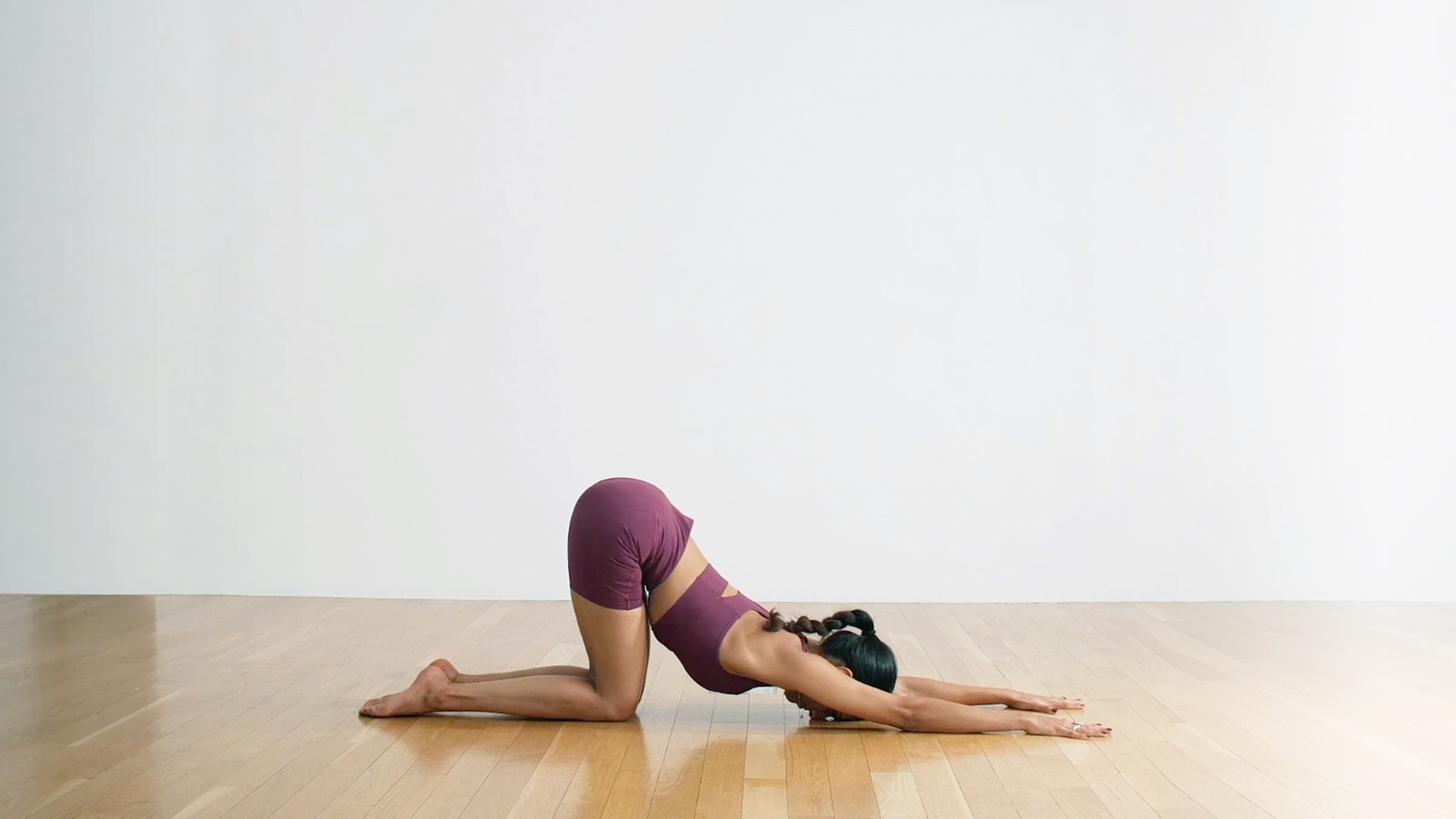
1. Puppy Pose (Uttana Shishosana)
Often overlooked, Puppy Pose is the unsung hero of upper-body preparation. By reaching the arms forward while the hips remain high, you create a traction effect that opens the upper back and shoulders.
- The Benefit: It strengthens the stabilizing muscles of the shoulder girdle while simultaneously stretching the front body, making it an essential "gateway" pose for more advanced strength work.
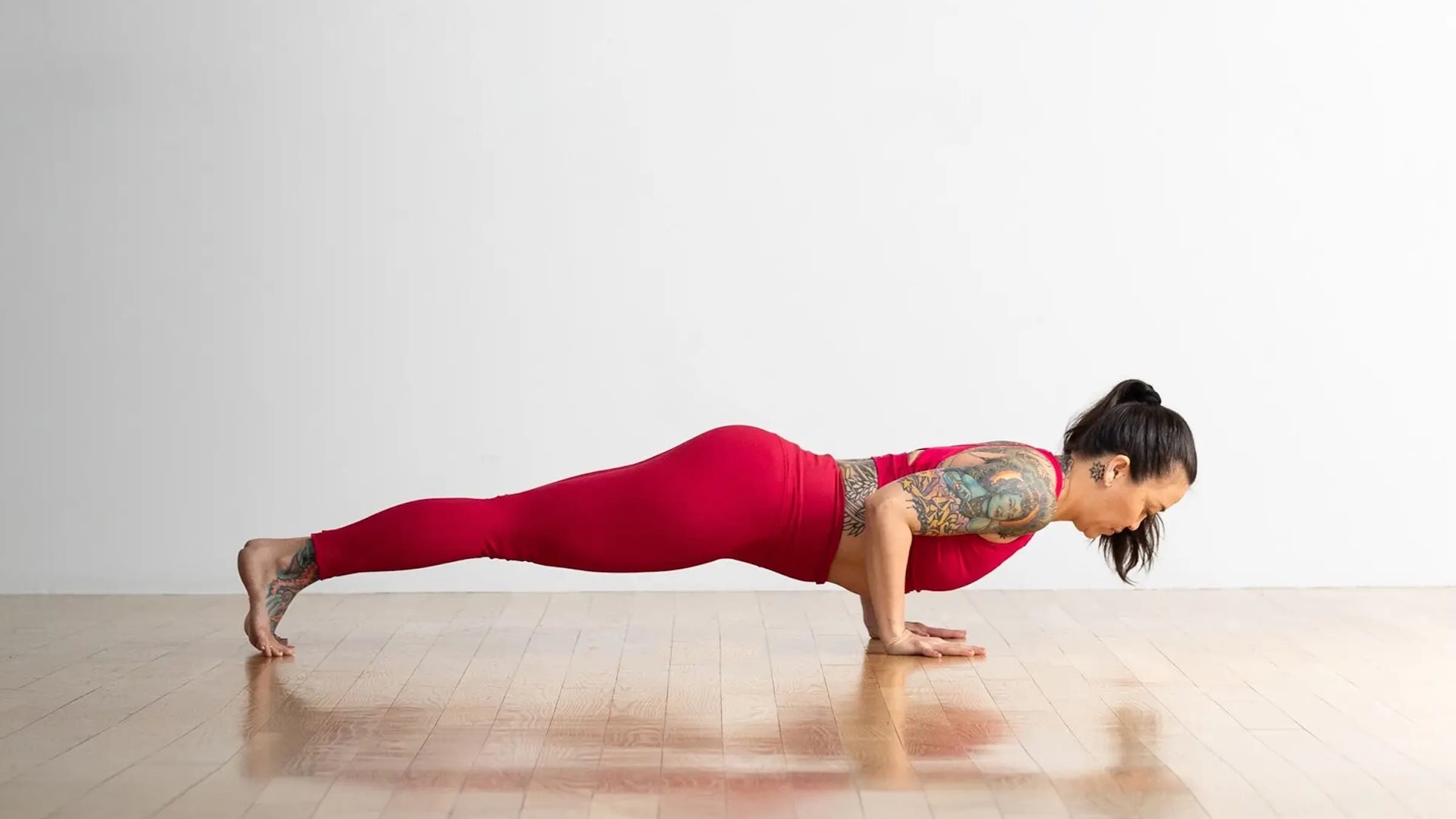
2. Chaturanga (Four-Limbed Staff Pose)
The "yogi push-up" is the quintessential test of upper-body control. Unlike a standard gym push-up, which can sometimes lead to poor form due to momentum, Chaturanga requires the practitioner to hold a low plank position.
- The Benefit: It forces the triceps and chest to maintain constant tension. When performed with a braced core, it recruits the entire body, turning a simple transition into a powerful strengthening exercise.
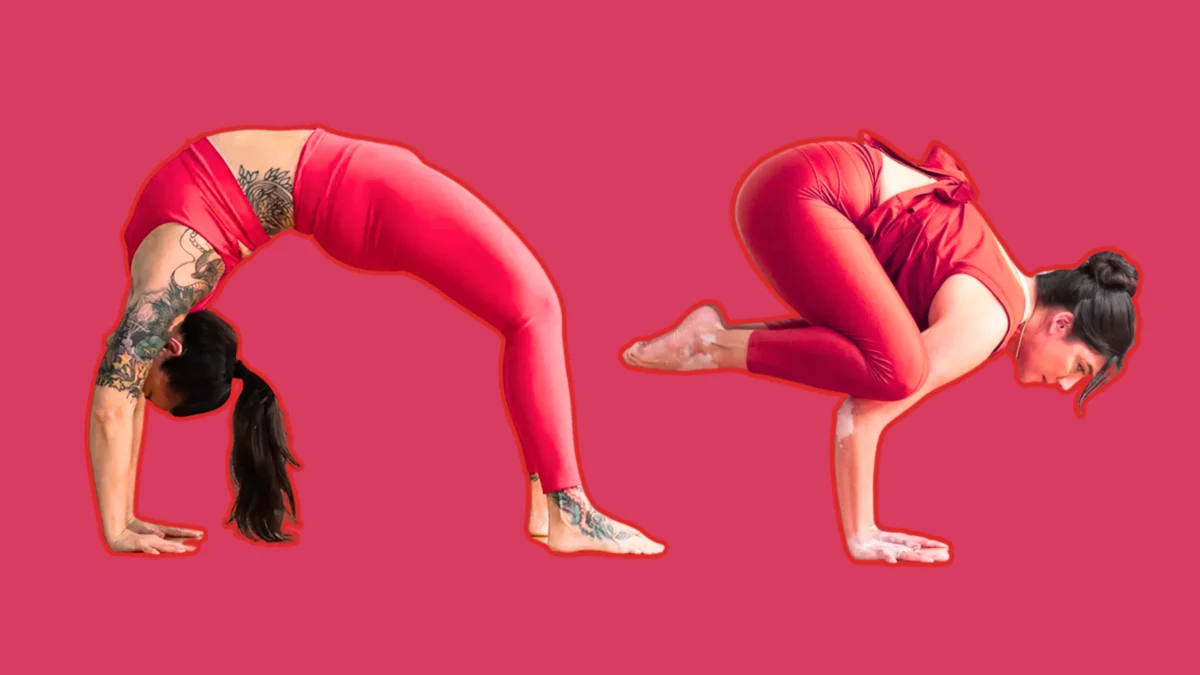
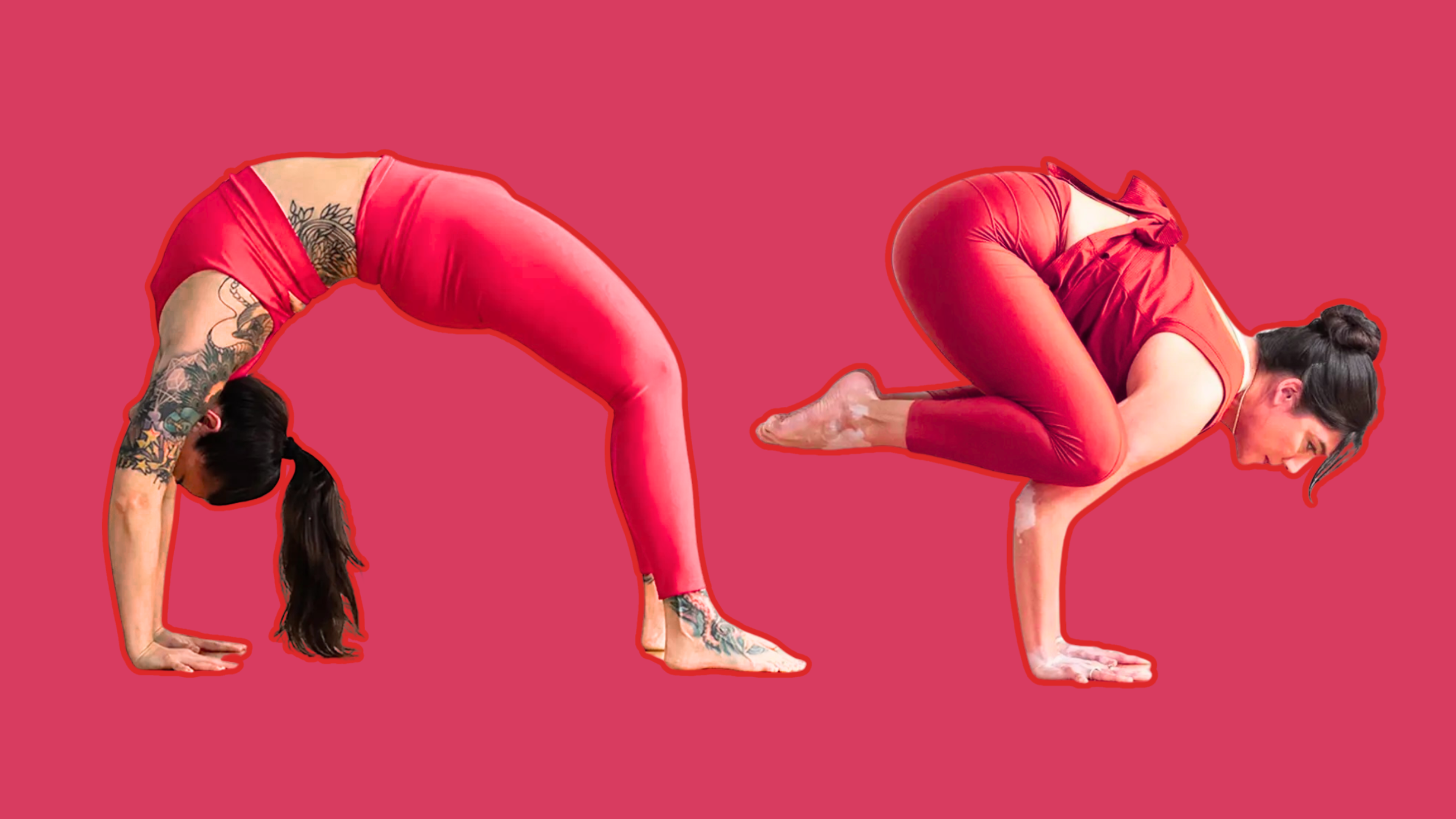
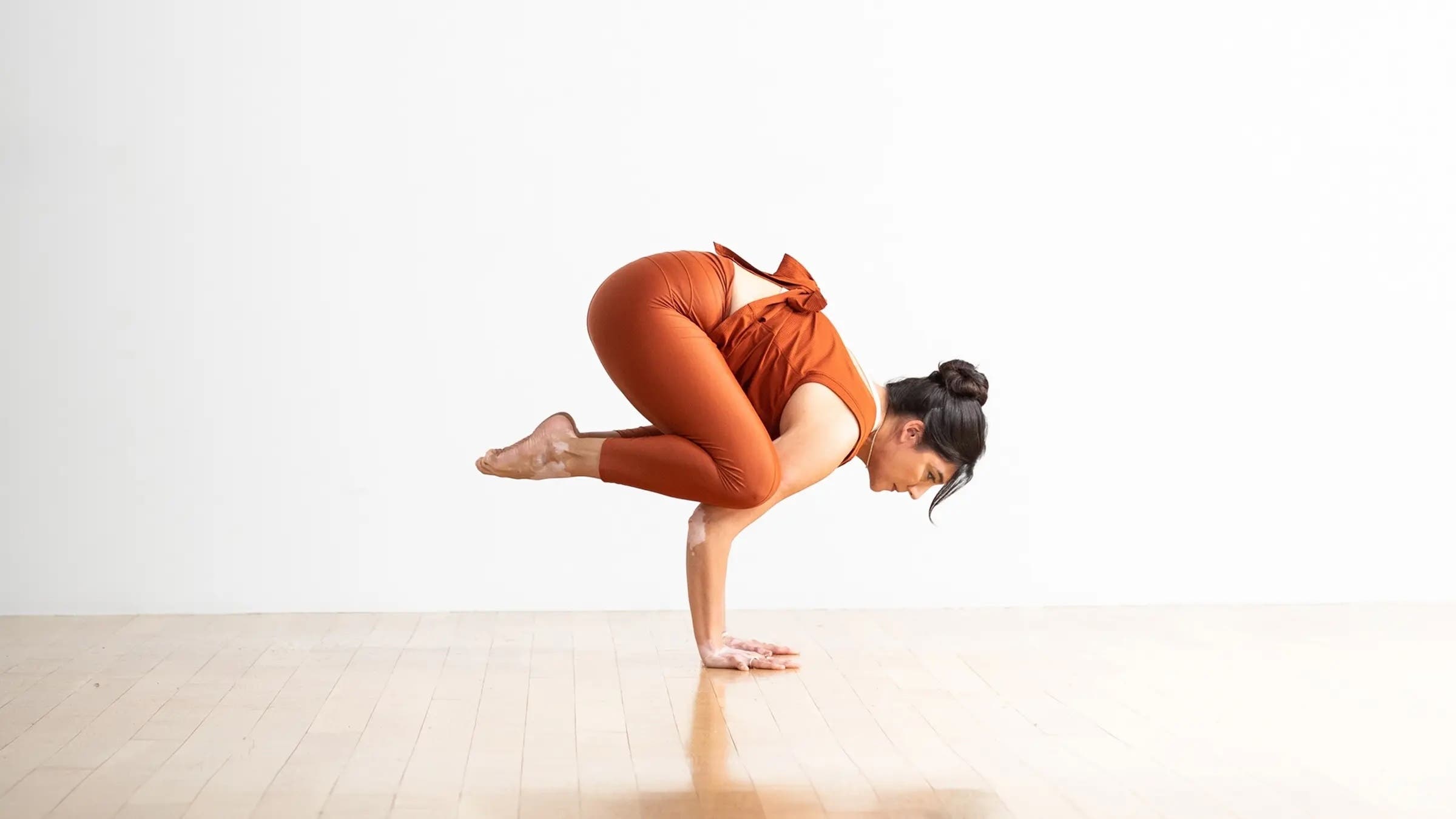
3. Crow Pose (Bakasana)
As an iconic arm balance, Crow Pose serves as a litmus test for the integration of core strength and arm stability.
- The Benefit: It teaches the practitioner that strength is not merely "muscling" through a movement. By engaging the abdominals, the body becomes a light, compact unit that rests atop the elbows. It develops intense isometric strength in the biceps and forearms.
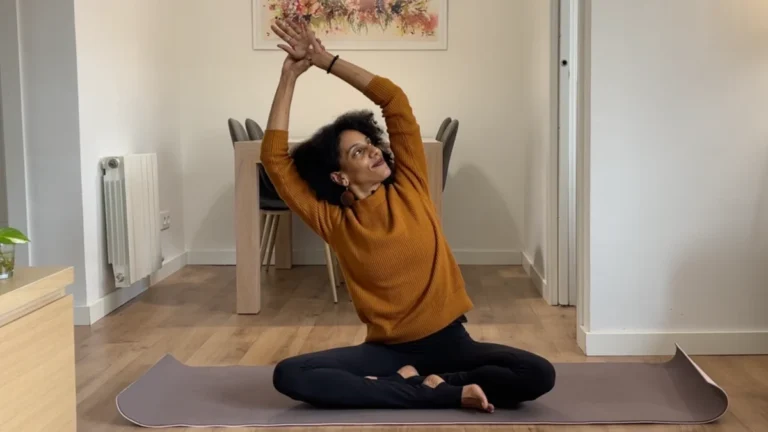
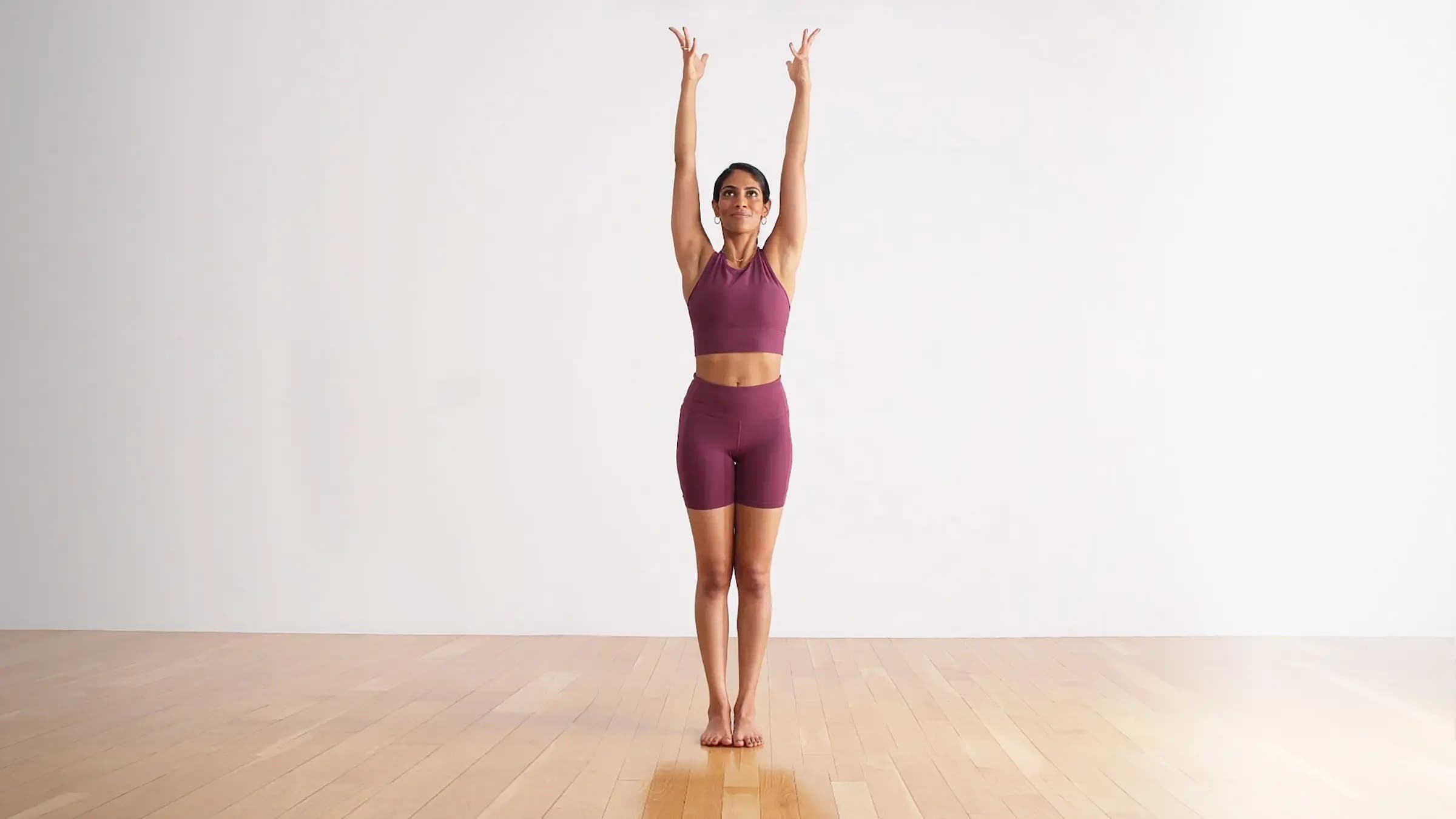
4. Upward Salute (Urdhva Hastasana)
It may appear to be a simple reach, but Upward Salute is an exercise in conscious engagement. By actively reaching the fingertips toward the ceiling and drawing the shoulder blades down the back, you challenge the triceps and deltoids.
- The Benefit: This pose promotes shoulder health and postural awareness. It is a reminder that strength can be cultivated even in stillness.
5. Wheel Pose (Urdhva Dhanurasana)
Wheel Pose is the ultimate expression of total-body strength. By pushing the body off the floor, you engage the triceps, shoulders, and chest against gravity.
- The Benefit: It stretches the entire front of the body while providing significant conditioning for the arms. It is a high-level pose that, when practiced with proper alignment, builds resilient, capable limbs.
Implications for the Future of Fitness
The shift toward functional strength represents a broader change in the fitness industry. We are moving away from the "no pain, no gain" mentality of the early 2000s and toward a model that prioritizes sustainability.
The implications are clear: by adopting a mindful approach to arm strength, we are investing in our future selves. We are ensuring that we remain capable of lifting our own bodies, carrying our own belongings, and maintaining our independence well into our later years.
The Role of Mindfulness and Breath
A critical takeaway for any strength practitioner is the integration of breath. In the yoga tradition, the breath is the bridge between the mind and the muscles. During strenuous poses like Chaturanga or Wheel, holding the breath (a common mistake in weightlifting) creates unnecessary tension. By breathing steadily, you allow the nervous system to remain regulated, which, paradoxically, allows for greater muscular recruitment and safer, more effective strengthening.
Conclusion: Consistency is the Key
The journey to strong arms is not a race to the heaviest dumbbell. It is a daily practice of showing up on the mat, engaging the muscles with intention, and honoring the balance between stretching and strengthening. Whether you are a dedicated yogi or someone simply looking to improve their daily quality of life, these five poses provide a roadmap to success.
Remember, true strength is built thoughtfully and over time. Integrate these movements into your routine, listen to your body, and always remember to breathe. Your arms are your tools for navigating the world—treat them with the strength, care, and respect they deserve.