





For decades, the mantra “you are what you eat” has been a staple of nutritional advice, often backed by the vague, yet undeniable, benefits of a plant-based diet. We have long understood that dietary fiber promotes gut diversity, supports the immune system, and lowers cardiovascular risk. However, the precise biological mechanism—the "how" behind the "what"—has remained a complex, often impenetrable puzzle.
New research from the Ludwig Princeton Branch is beginning to lift that veil. In a pair of landmark studies, scientists have mapped out how specific components of plant foods influence gut metabolism and have challenged long-held assumptions about the origins of vital health-promoting compounds. These findings not only refine our understanding of human nutrition but also open the door to a new era of "metabolic medicine," where diet is used as a precise tool to prevent and treat chronic disease.
The Biological Puzzle: Fiber, Proteins, and the Microbiome
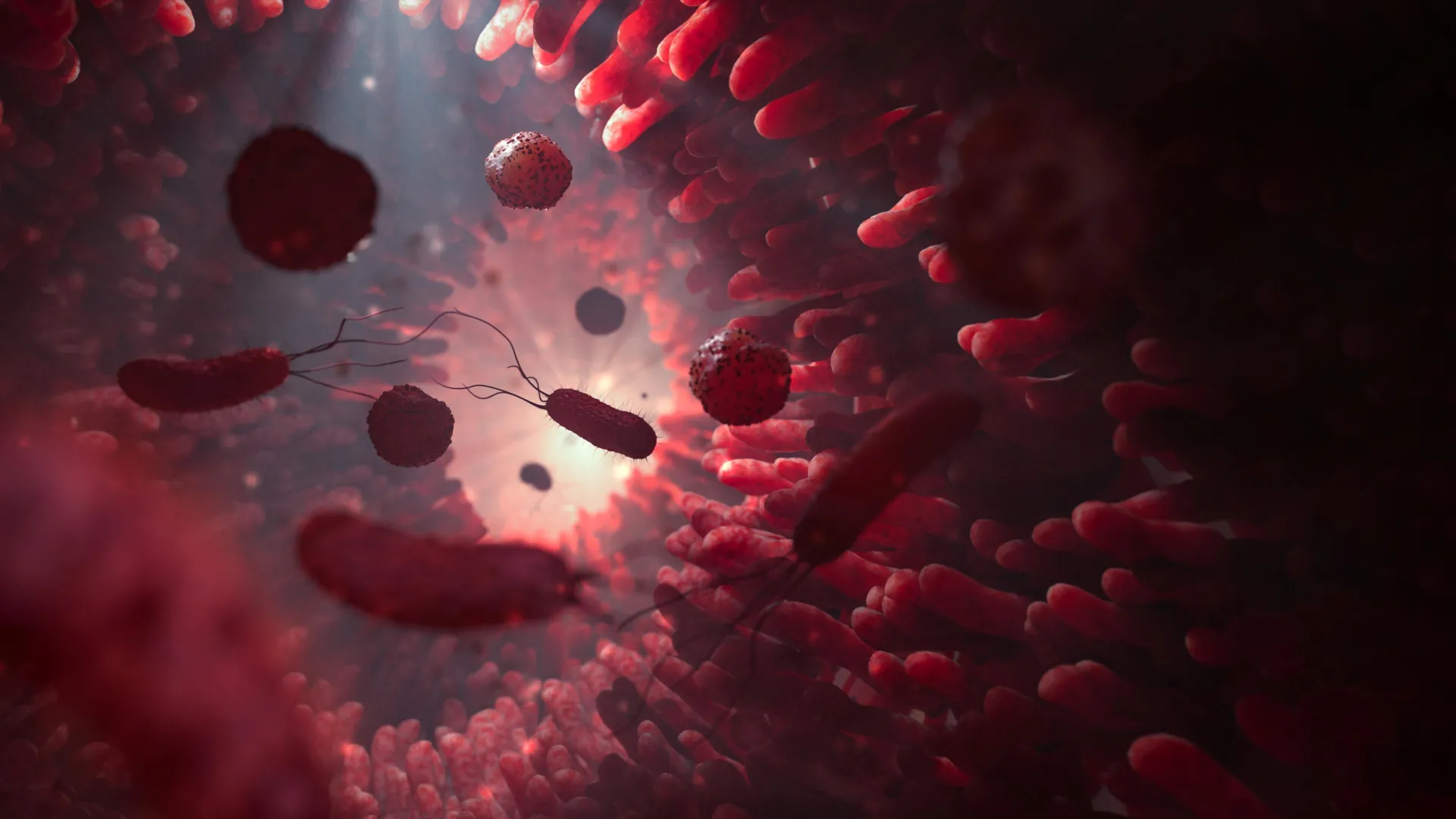
The human gut is a bustling ecosystem of trillions of bacteria. When we consume plant-based foods, we are not just feeding ourselves; we are feeding a massive, hidden population that processes our intake into "metabolites"—the chemical byproducts of digestion. These metabolites circulate through our bloodstream, influencing everything from systemic inflammation to cancer progression.
Two studies led by Jenna AbuSalim and Director Joshua Rabinowitz, published in the Proceedings of the National Academy of Sciences (PNAS) and Nature Metabolism, provide a roadmap of this process. The core of their discovery lies in the distinction between "good" and "bad" metabolites and how diet acts as the switch that toggles between them.
Defining the "Prif" Category
While fiber has enjoyed the spotlight for years, the research team identified an overlooked hero: indigestible plant proteins. The team dubbed these "proteins imitating fiber," or Prifs. Like fiber, these proteins reach the large intestine intact, where they become a primary fuel source for microbial communities.
The significance of Prifs cannot be overstated. By providing a substrate for beneficial gut bacteria, these proteins help the microbiome steer metabolic processes toward health-promoting outcomes, effectively suppressing the production of harmful toxins that have been linked to cancer and kidney disease.
Chronology of Discovery: Tracking the Chemical Path
To understand how these metabolites were created, the research team employed sophisticated isotope-tracing techniques. By labeling specific proteins with non-radioactive isotopes, they could essentially "tag" these molecules and track their journey through the digestive tracts of mice.
The Mechanism of Harm
The researchers discovered a startling reality about the "bad" phenols (such as p-cresol sulfate and phenol sulfate). These harmful compounds, which are often elevated in cancer patients and individuals with kidney failure, are not necessarily the direct result of dietary intake. Instead, they are produced when gut bacteria are starved of adequate dietary material and, as a result, turn their attention to the host’s own body.
Specifically, bacteria were found to break down proteins from the mucus lining of the gut wall. This degradation of the protective intestinal barrier is a dangerous event, linked to systemic toxicity.
The Shift to Health
In contrast, the "good" metabolites (phenylpropionate and hippuric acid) were produced when bacteria were provided with an abundance of dietary material—specifically Prifs. The study showed that when the diet was rich in these indigestible proteins, the microbial population shifted its metabolic activity. Instead of cannibalizing the gut lining, the bacteria metabolized the Prifs, producing beneficial phenols that contribute to healthy weight management and improved gut function.
Rethinking the Origins of Metabolites
Perhaps the most disruptive finding came from the second study, published in Nature Metabolism. For years, the medical community operated under a fundamental dogma: that certain phenol and indole metabolites are produced exclusively by gut bacteria. Because of this, many therapeutic efforts were focused solely on "fixing" the microbiome through probiotics or prebiotics.
AbuSalim and Rabinowitz challenged this assumption by testing whether the mammalian body—the host itself—could be the primary source of these compounds. Using isotope tracing across mice, rats, and human cell cultures, they found that the human body is surprisingly self-sufficient.
Antibiotics and the Mammalian Contribution
The researchers observed that when the microbiome was decimated by antibiotic treatment, the levels of certain "microbial-only" metabolites—like p-cresol sulfate—plummeted as expected. However, levels of crucial indole metabolites, such as indole-3-lactate and indole-3-acetate, remained largely stable.
This proved that mammalian metabolism is a primary, and often dominant, producer of these health-essential molecules. This finding is a paradigm shift. It suggests that while the microbiome is undeniably important, focusing exclusively on microbial manipulation may be missing the forest for the trees. Medical interventions targeting systemic metabolic health must account for the host’s own chemical production alongside the bacterial contributions.
Official Responses and Scientific Context
Joshua Rabinowitz, the lead investigator and Professor in the Department of Chemistry and the Lewis-Sigler Institute for Integrative Genomics, notes that the medical field is at a turning point.
"There’s growing interest across medical disciplines in manipulating the human microbiome or using its metabolic products themselves for therapy," Rabinowitz stated. "Diet holds great promise for controlling the microbiome and its outputs. But to devise effective therapeutic interventions, we need to understand what aspects of the diet control which microbial outputs."
The implications for the food industry are equally profound. "Food packaging may eventually list Prif right below fiber," Rabinowitz suggested, hinting at a future where nutrition labels become far more granular. By quantifying the specific types of proteins and fibers that modulate gut health, the industry could shift from generalized "healthy eating" advice to targeted metabolic support.
Implications: The Future of Precision Nutrition
The synergy between these two studies provides a sophisticated framework for the future of medicine. We are moving away from the era of "one size fits all" nutrition and toward a future of metabolic precision.
Clinical Applications
The ability to influence metabolites through diet has clear applications in:
- Oncology: Since indole metabolites have been shown to influence tumor growth and immune responses, dietary interventions could theoretically be used as an adjuvant therapy for cancer patients to improve treatment outcomes.
- Chronic Disease: Understanding the "Prif-fiber" axis could lead to new dietary protocols for patients with kidney disease, aiming to lower systemic toxicity by shifting bacterial metabolism away from host-protein breakdown.
- Inflammatory Bowel Disease (IBD): By protecting the gut mucus lining through dietary fiber and Prif intake, clinicians may be able to reduce the inflammation associated with IBD.
A New Paradigm for Nutritionists
For the clinician, these findings offer a new set of tools. Rather than simply recommending "more vegetables," nutritionists can now begin to identify which specific components of plant foods—the fibers, the specific indigestible proteins, and the phytochemicals—trigger the production of the metabolites necessary for a patient’s specific health profile.
As the scientific community continues to map these pathways, the integration of microbiome science and human metabolism will likely become the cornerstone of preventative medicine. We are learning that our health is not merely a reflection of the food we consume, but a dynamic, chemical conversation between our cells, our gut bacteria, and the complex nutrients we provide them.
Conclusion
The work led by Jenna AbuSalim and Joshua Rabinowitz serves as a potent reminder that the most sophisticated chemical laboratory on earth is the human digestive tract. By decoding the role of Prifs and clarifying the role of mammalian versus microbial metabolism, these researchers have provided the foundation for a more rigorous, scientific approach to nutrition.
As we look ahead, the goal is clear: to move beyond the broad strokes of dietary trends and into the precise, molecular management of human health. Whether through the regulation of food labels or the development of metabolic therapies, the "hidden" world of gut metabolites is finally coming into focus, promising a future where our diet is the most powerful medicine we possess.
Funding for these studies was provided by the Ludwig Institute for Cancer Research, the National Institutes of Health, the National Institute of Diabetes and Digestive and Kidney Diseases, and the Princeton Alliance for Collaborative Research and Innovation.