









Date: July 22, 2026
Time: 1:00 PM PST
Status: Industry Insight Series
In an era defined by rapid technological integration, shifting consumer health paradigms, and the increasing demand for hyper-personalized wellness coaching, the fitness industry is undergoing a metamorphosis. For professionals within this space, the question of "what comes next" is no longer just a career curiosity—it is a strategic necessity. As the industry evolves, the role of professional guidance has transitioned from an optional perk to an essential pillar of longevity and success.
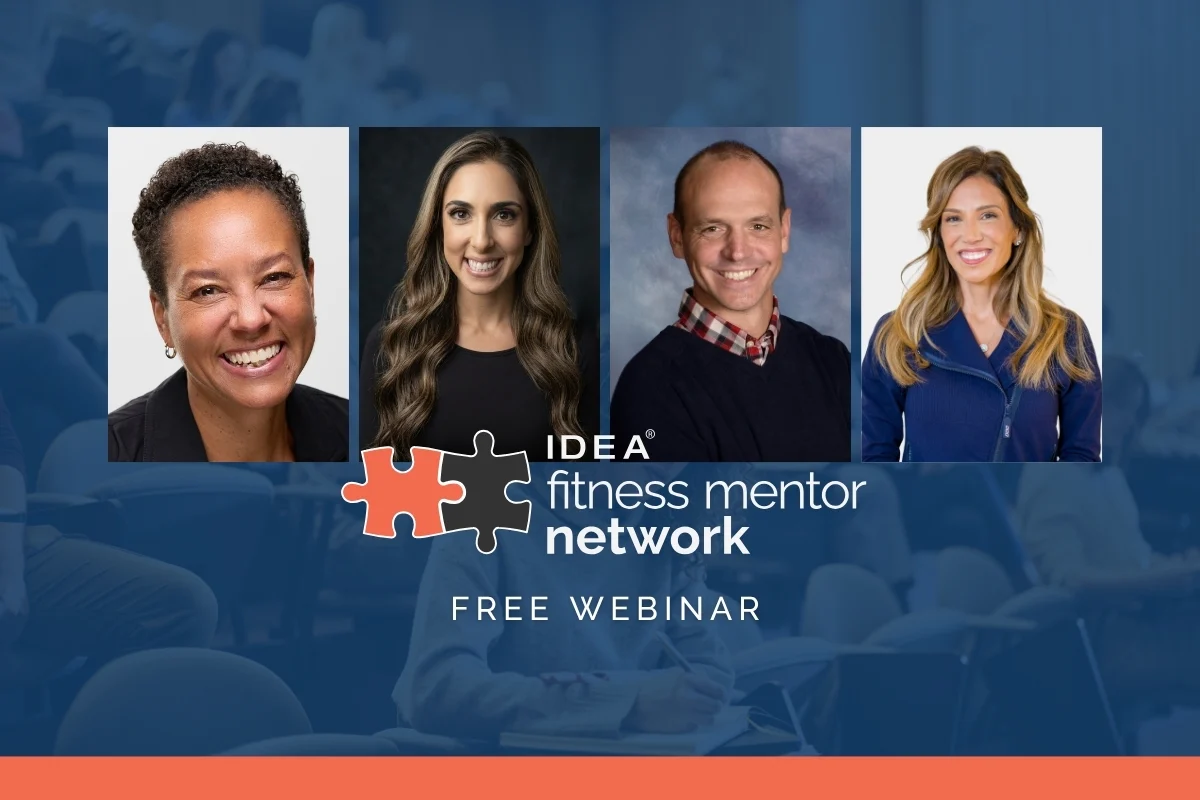
On Wednesday, July 22, 2026, at 1:00 PM PST, the IDEA Fitness Mentor Network is hosting a high-level discussion aimed at bridging the gap between current professional capabilities and future industry demands. This event promises to peel back the layers of career stagnation, offering a blueprint for those seeking leadership growth, business scalability, or a renewed sense of professional purpose.
Main Facts: A Blueprint for Professional Evolution
The upcoming session, spearheaded by the IDEA Fitness Mentor Network, is designed to be more than a conventional webinar. It serves as a masterclass in professional navigation. The core objective is to dismantle the barriers that often prevent fitness practitioners—from personal trainers to gym owners—from reaching the next tier of their career trajectory.
Key takeaways for participants include:
- Strategic Career Mapping: Learning how to identify inflection points where growth is necessary.
- Overcoming Professional Stagnation: Practical frameworks for breaking out of "career plateaus."
- The Power of Proximity: Understanding how mentorship serves as a catalyst for leadership development.
- Immediate Application: Moving beyond theoretical advice to actionable, real-world business tactics.
The event distinguishes itself by focusing on the "human element" of the industry. While digital tools and AI-driven metrics dominate the current fitness landscape, the mentors participating in this session argue that human experience, empathy, and wisdom remain the ultimate competitive advantages.
Chronology: The Evolution of Professional Support
To understand the importance of this event, one must look at the timeline of professional development in the fitness sector over the last decade.
Phase 1: The Tactical Era (2016–2020)
During this period, industry growth was largely driven by certifications and specialized skill acquisition. Professionals focused on "what" they could do: becoming experts in HIIT, functional training, or nutrition coaching.
Phase 2: The Digital Pivot (2020–2023)
The pandemic forced a radical shift toward digital platforms. Mentorship became decentralized, often found in fragmented online forums and social media groups. While information was abundant, the quality of guidance became diluted, leading to a "noise-to-signal" ratio issue for many practitioners.
Phase 3: The Era of Strategic Integration (2024–2026)
As we enter the latter half of 2026, the industry is seeing a return to structured, high-quality mentorship. The IDEA Fitness Mentor Network has capitalized on this trend, shifting away from generic advice toward curated, peer-to-peer, and expert-led mentorship models. This upcoming event is the culmination of years of data collection on what actually drives long-term career satisfaction in the fitness sector.
Supporting Data: The ROI of Mentorship
Recent industry reports indicate that fitness professionals who engage in structured mentorship programs are 40% more likely to reach their five-year business revenue targets compared to their counterparts who operate in isolation.
Data trends show:
- Retention: Professionals with mentors exhibit a 65% higher retention rate in the industry over a ten-year span.
- Leadership Readiness: 72% of fitness leaders currently in C-suite or management roles cite a specific mentor as the primary driver of their career advancement.
- Mental Resilience: The "burnout rate"—historically high in the fitness industry—is reported to be significantly lower among those who have a dedicated support system or mentor to navigate professional challenges.
These statistics suggest that mentorship is not merely a "nice-to-have" benefit; it is a critical infrastructure component for any professional aiming to build a sustainable, scalable business.
Official Responses: Insights from the Mentors
The IDEA Fitness Mentor Network has curated a panel that represents the diversity of the industry. In pre-event discussions, the mentors emphasized the necessity of honest, "in-the-trenches" dialogue.
"We aren’t here to give a presentation on the theory of mentorship," says one lead mentor associated with the network. "We are here to have an honest conversation about the ‘messy middle.’ Whether you are a solo trainer struggling to hit your first $100k or a gym owner trying to navigate a leadership transition, the challenges are universal. We want to show people that they don’t have to navigate those challenges alone."
Another mentor noted, "Many professionals reach a point where they have the certifications, but they lack the confidence to scale. They are stuck in the ‘technician’ mindset. Our goal is to shift that mindset to that of a ‘visionary’ or ‘leader.’ The power of having someone in your corner who has already walked the path you’re on is the greatest shortcut in the industry."
Implications: The Future of the Fitness Workforce
The implications of this event and the broader movement toward structured mentorship are profound. As the fitness industry professionalizes further, the standards for entry and advancement are rising.
1. The Death of the "Solo Island"
The myth of the self-made, solitary trainer is fading. Future success in the fitness industry will likely depend on the strength of one’s network. The transition from individual contributor to ecosystem participant is becoming the new gold standard for success.
2. Leadership as a Technical Skill
Just as mastery of kinesiology or business management is required, leadership is now being recognized as a teachable, essential skill. The IDEA Fitness Mentor Network is positioning leadership training as a core competency for all fitness professionals, regardless of their current job title.
3. Sustainability and Longevity
By fostering a culture of mentorship, the industry is effectively creating a safety net for its workers. This reduces turnover, encourages cross-generational knowledge transfer, and creates a more robust, stable market. When seasoned veterans mentor the next generation, they aren’t just helping individuals—they are elevating the quality of the entire fitness ecosystem.
Conclusion: Preparing for the Next Stage
As July 22, 2026, approaches, the fitness community is presented with an opportunity to re-evaluate its trajectory. The conversation organized by the IDEA Fitness Mentor Network is a call to action. It is a reminder that while the industry is built on the pursuit of physical health, the career health of its professionals requires a different kind of training—one rooted in shared wisdom, strategic planning, and the courage to ask for help.
Whether you are a newcomer eager to avoid common pitfalls or a seasoned veteran looking to pivot your career, the insights shared during this session will provide a fresh perspective. The fitness industry of 2026 is complex, fast-paced, and demanding. However, for those who choose to engage with mentors and embrace a mindset of continuous growth, it remains one of the most rewarding and impactful sectors in which to build a career.
For those who missed the registration window for this specific event, the emphasis remains clear: seek out your mentors, build your network, and ensure you have someone in your corner. In an industry where you are constantly giving to others, ensuring you are also being poured into is the only way to remain in the game for the long haul.