









For decades, the medical community has viewed serotonin primarily as the "happiness hormone"—a neurotransmitter crucial for regulating mood, sleep, digestion, and cognition. However, groundbreaking research emerging between 2023 and 2026 has unveiled a surprising and potentially dangerous role for this chemical messenger in the cardiovascular system. Scientists have discovered that serotonin may act as a silent driver of structural damage in the heart’s mitral and aortic valves, particularly in patients who already suffer from degenerative valve conditions.
The Main Facts: A New Cardiovascular Frontier
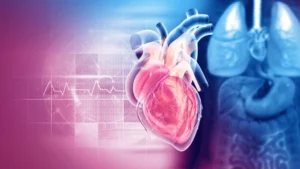
At the heart of this discovery is the mitral valve, a critical structure that acts as a one-way gate between the left atrium and the left ventricle. In a healthy heart, this valve seals firmly with every beat, preventing blood from flowing backward. Degenerative Mitral Regurgitation (DMR) occurs when the valve tissue loses its integrity, causing the valve to thicken, stretch, or fail to seal, which forces the heart to work harder and can eventually lead to atrial fibrillation or life-threatening heart failure.
The core research, spearheaded by Columbia University’s Department of Surgery and the Pediatric Heart Valve Center at the Children’s Hospital of Philadelphia (CHOP), identified that reduced activity of the serotonin transporter (SERT)—the protein responsible for clearing serotonin from the extracellular space—may accelerate the degradation of these already compromised valves. When SERT activity is low, serotonin lingers, signaling valve cells to produce excess collagen, which results in the thickening and stiffening of the valve tissue.
A Chronology of Discovery: From 2023 to 2026
The scientific narrative regarding serotonin and heart health has evolved rapidly over the last three years:
- 2023: The seminal study published in Science Translational Medicine established the initial link. Researchers found that patients with DMR who were taking Selective Serotonin Reuptake Inhibitors (SSRIs)—medications that inherently reduce SERT activity—required surgical intervention at a younger age than those not taking the drugs.
- 2024: Follow-up research confirmed these observations in animal models. Mice with genetically deficient SERT activity exhibited significant fibrotic changes in both their cardiac valves and the left ventricular muscle. This study pinpointed the HTR2B receptor as a primary driver of this pathological remodeling.
- 2025: The investigation expanded to aortic stenosis, a condition where the aortic valve becomes narrow and stiff. Researchers found that patients with severe aortic stenosis exhibited elevated serum levels of serotonin and its metabolites, suggesting that serotonin-related signaling is a systemic issue affecting multiple heart valves.
- 2026: A February report solidified the connection by identifying that diseased aortic valves show reduced SERT expression and increased sensitivity to serotonin signaling. Furthermore, a systematic review and meta-analysis of clinical studies reported an odds ratio of 2.76 for heart valve disease in patients using SERT-modifying medications, further legitimizing the concern.
Supporting Data: Genetic Vulnerability and Cellular Mechanisms
The research team did not rely solely on observational patient data; they utilized a multi-layered approach to understand the biological mechanism at play. A key discovery involved the 5-HTTLPR region of the SERT gene. Patients carrying the "long-long" genetic variant—which correlates with lower SERT activity—demonstrated a heightened vulnerability to valve degradation.
In laboratory settings, mitral valve cells carrying this "long-long" variant were observed to be hyper-responsive to serotonin, producing an excess of collagen. This process is effectively a biological "over-correction." While collagen is necessary for structural integrity, an overabundance renders the valve tissue rigid and dysfunctional. Crucially, these same cells were found to be more sensitive to the effects of common SSRIs like fluoxetine (Prozac) and sertraline (Zoloft).
However, the researchers were careful to provide an essential caveat: these negative effects were not observed in healthy human mitral valves. Dr. Giovanni Ferrari, the study’s co-lead, noted that a healthy valve possesses enough resilience to withstand fluctuations in SERT activity. The danger appears to be "context-dependent," meaning that once a valve has already begun the process of degeneration, it becomes hypersensitive to the signaling pathways that would otherwise be harmless.
Official Perspectives and Medical Caution
The implications of these findings have sent ripples through the cardiology community, yet experts caution against hasty clinical changes.
"The findings do not suggest that SSRIs generally damage healthy heart valves," Dr. Ferrari emphasized. "SSRIs are generally safe for the vast majority of patients. It is unlikely that low SERT activity can cause degeneration of the mitral valve in isolation."
The consensus among the research leads is that these findings do not justify the cessation of antidepressant therapy. Mental health remains a priority, and the risks associated with untreated depression are well-documented and severe. Instead, the medical community is encouraged to view these findings as a prompt for "precision cardiology." The researchers propose that, in the future, patients with known DMR could be screened for the 5-HTTLPR genetic variant. Those found to be at high risk could then be monitored more closely with regular echocardiograms, or, in extreme cases, be transitioned to alternative antidepressant therapies that do not interfere with the serotonin transporter.
Future Implications: Toward Targeted Therapeutics
The discovery of the HTR2B receptor’s role in fibrotic remodeling has opened the door for a new class of potential pharmaceutical treatments. By targeting the receptor directly, researchers hope to block the pathological signaling that leads to valve thickening without affecting the serotonin levels required for healthy brain function.
While this offers an exciting prospect for drug development, it remains in the early experimental stages. The compounds tested in mouse models are not currently approved for human use, and they have only been tested in the context of early-stage fibrotic changes, not the advanced calcification seen in end-stage valve disease.
The Path Forward: Research Requirements
For these findings to shift from academic discovery to standard clinical practice, several hurdles must be cleared:
- Longitudinal Clinical Trials: There is a need for large-scale studies that track patients over several years, accounting for variables such as dosage, duration of SSRI use, and comorbidities.
- Comparative Effectiveness: Researchers must determine if switching from an SSRI to a non-SSRI antidepressant actually results in slower progression of DMR.
- Standardization of Genetic Screening: Clinical guidelines must establish whether testing for the 5-HTTLPR variant is cost-effective and clinically actionable before it becomes a standard of care.
Conclusion: A Balanced Clinical Outlook
The research published between 2023 and 2026 represents a significant leap in our understanding of cardiac pathology. By linking the serotonin transporter to the structural integrity of the heart’s valves, scientists have uncovered a potential mechanism that explains why some patients experience a more rapid decline in valve function than others.
For patients currently managing degenerative mitral or aortic valve disease, the message remains clear: adhere to existing clinical guidance, maintain regular follow-ups with your cardiologist, and never discontinue prescribed medication without consulting your physician. While the "serotonin connection" is a compelling piece of the cardiovascular puzzle, it is currently an observation rather than a diagnostic standard. As research continues to refine our understanding of the HTR2B receptor and the role of serotonin in fibrosis, we may soon move toward a future where heart valve disease is not just managed by surgery, but potentially intercepted at the molecular level.