










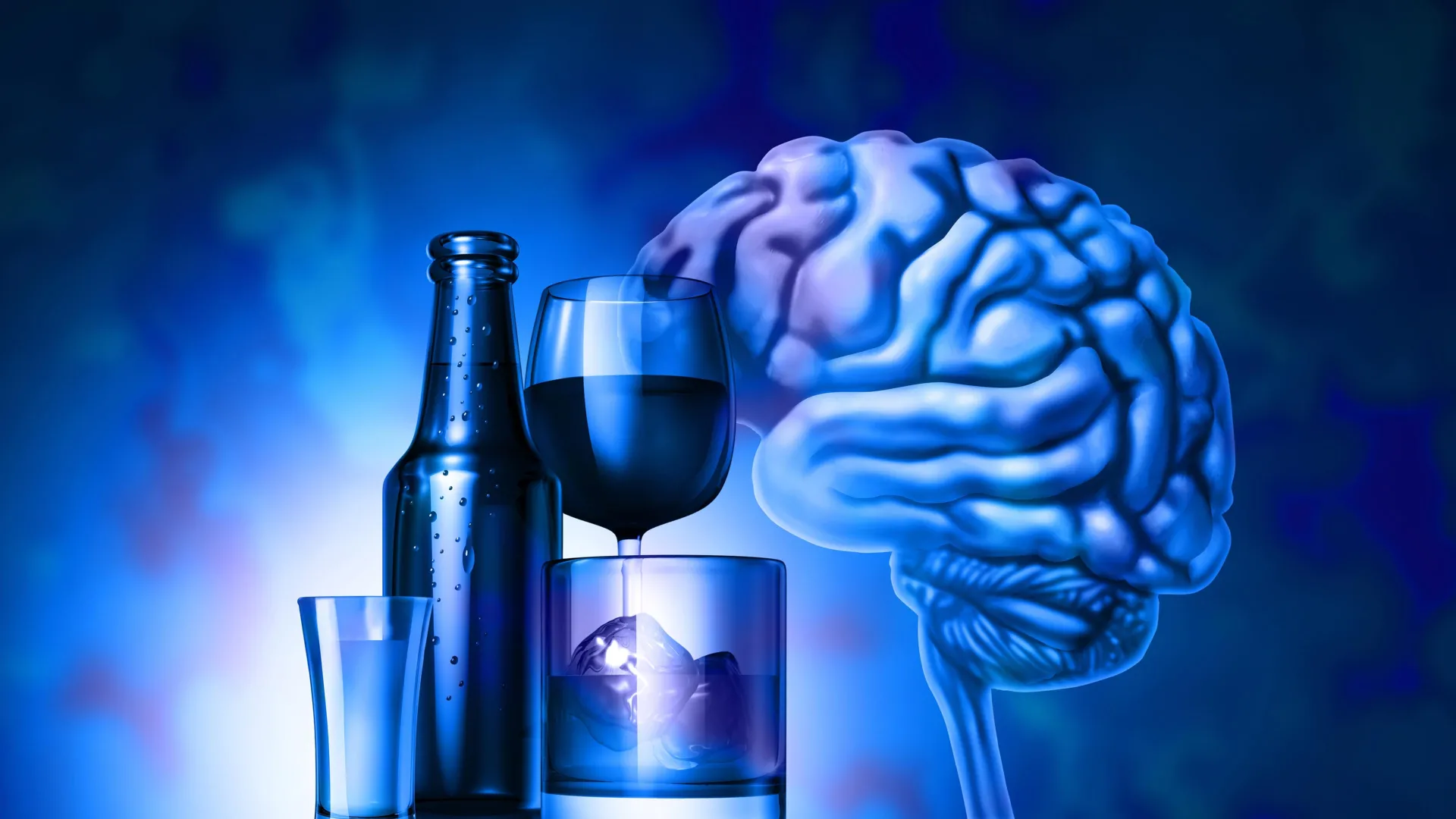
In the public consciousness, the narrative surrounding alcohol consumption often centers on the immediate consequences: the impairment of motor skills, the social fallout of poor decision-making, or the physical toll of a hangover. However, a groundbreaking study from the University of Massachusetts Amherst suggests that the true cost of alcohol, particularly when used as a coping mechanism for stress during early adulthood, is far more insidious. These findings indicate that the brain undergoes permanent structural and molecular shifts that persist long after a person has achieved sobriety, potentially laying the groundwork for cognitive decline, dementia, and a recurring cycle of addiction well into middle age.
The Core Findings: A Permanent Neural Imprint
Published in the journal Alcohol Clinical and Experimental Research, the study reveals that the intersection of stress and alcohol in early life creates a "neural scar." Rather than a temporary setback, this combination triggers a cascade of changes in the brain’s circuitry that do not necessarily heal with time or abstinence.
The research identifies a specific loss of "cognitive flexibility"—the essential mental capacity to adapt to new information and changing circumstances. As individuals reach middle age, this diminished flexibility becomes a critical vulnerability. It creates a feedback loop: the brain, having been rewired to rely on alcohol during stressful periods in youth, becomes biologically predisposed to seek that same relief when confronted with the complex, mounting pressures of middle age. This discovery shifts the clinical focus from viewing alcoholism solely as a behavioral or willpower-based issue to understanding it as a manifestation of profound, underlying neurological damage.
A Chronology of the Vicious Cycle
To understand how these changes take hold, researchers mapped the progression of the stress-alcohol relationship.
The Early Adulthood Catalyst
During early adulthood, the brain is still undergoing significant development, particularly in areas governing executive function and stress regulation. When young adults utilize alcohol to dampen the physiological and emotional symptoms of stress, they are essentially "training" their neural circuits to rely on an external depressant to manage internal equilibrium.
The Latent Period
The study emphasizes that the most dangerous phase is the "quiet" period. During this time, an individual may have achieved long-term sobriety. Outwardly, their life may seem stable, and they may believe they have moved past their former habits. However, the study suggests that beneath the surface, the brain’s molecular machinery—specifically in the brainstem—remains altered.
The Middle-Age Manifestation
As individuals enter their 40s and 50s, the "debt" of this earlier behavior comes due. The brain’s ability to handle the natural stresses of midlife is compromised. Because the neural pathways for stress management are structurally impaired, the individual finds themselves experiencing a heightened, often subconscious, drive to return to alcohol. It is at this juncture that early cognitive decline begins to mimic the early stages of neurodegenerative diseases, as the brain struggles to process shifting environments and make sound, adaptive decisions.
Supporting Data: Lessons from the Locus Coeruleus
The UMass Amherst team, led by senior author Elena Vazey, associate professor of biology, focused their investigation on a small, powerful region of the brainstem known as the locus coeruleus (LC).
The LC is the primary source of norepinephrine in the brain and is essentially the "control center" for adaptive decision-making. In a healthy brain, the LC serves as a thermostat: it ramps up during stressful situations to facilitate alertness and executive function, then dials back down once the stressor is removed.
Through their work—supported by the National Institute on Alcohol Abuse and Alcoholism (NIAAA)—the researchers observed that in subjects exposed to both heavy alcohol use and chronic stress, this "thermostat" mechanism was broken. The LC lost the molecular machinery required to shut itself off, leading to a state of chronic, low-level neural dysregulation.
Furthermore, the team detected high levels of oxidative stress within the LC. Oxidative stress, a form of cellular damage caused by an imbalance between free radicals and antioxidants, is a hallmark feature of Alzheimer’s disease. Even after prolonged periods of abstinence, the subjects’ brains showed little to no recovery from this cellular damage, suggesting that the "wiring" had been permanently compromised.
Official Responses and Perspectives
The implications of these findings are profound, forcing a re-evaluation of how addiction is treated in clinical settings.
"We all know that drinking can often lead to poor decision-making," Dr. Vazey noted in a discussion of the findings. "But we wondered how early adulthood drinking combined with stress affects that circuitry, especially as we grow older. If we can figure out how alcohol and stress change the brain’s circuitry, then we can help figure out how best to help people."
Dr. Vazey’s team emphasizes that the current model of addiction treatment—which often focuses on detoxification and behavioral therapy—may be insufficient if it does not address the underlying biological damage. The "willpower" narrative, which suggests that an individual can simply choose to abstain, ignores the fact that the brain’s decision-making hardware has been physically altered.
By identifying the locus coeruleus as a critical site of damage, the researchers have provided a specific target for future pharmaceutical and therapeutic interventions. If scientists can develop methods to mitigate oxidative stress in the brainstem or support the molecular mechanisms that allow the LC to return to a baseline state, it may be possible to "break" the cycle of stress-induced relapse that plagues so many in recovery.
Broader Implications: Redefining Cognitive Health
The link between early alcohol use and the biomarkers of Alzheimer’s disease offers a sobering perspective on public health. For decades, the medical community has recognized alcohol as a risk factor for cognitive decline, but the specific mechanism—the failure of cognitive flexibility due to permanent brainstem damage—provides a much clearer picture of why this happens.
Moving Beyond Willpower
One of the most significant takeaways of this research is the removal of the moral stigma associated with relapse. When an individual returns to alcohol after years of sobriety, it is frequently viewed as a failure of character. However, if that person’s brain has been structurally altered such that the LC cannot effectively manage stress, the return to alcohol is a biological response to a faulty regulatory system.
Treatment Strategies for the Future
The study suggests that treatment strategies for individuals with a history of stress-induced drinking must be nuanced. Future approaches might include:
- Neuroprotective Therapies: Developing drugs that target oxidative stress in the brainstem to prevent the "scarring" effect of early-life alcohol exposure.
- Cognitive Rehabilitation: Moving beyond traditional therapy to include exercises specifically designed to improve cognitive flexibility, helping to "re-route" around the damaged circuitry.
- Early Intervention: Educating young adults about the long-term, irreversible risks of using alcohol as a stress-management tool, rather than focusing solely on the immediate dangers of intoxication.
Conclusion: A Call for Long-Term Prevention
The research from UMass Amherst serves as a clarion call for a more sophisticated understanding of alcohol’s long-term impact on the brain. We have long understood that alcohol is a toxin, but we are only now beginning to appreciate that its impact on the developing brain is not just a temporary chemical fluctuation. It is a structural transformation that dictates the quality of our cognitive health in our later years.
As we look toward the future of addiction medicine and gerontology, these findings underscore the necessity of a lifespan approach to health. The decisions made in the "early adulthood" phase are not confined to that chapter of life; they echo through the decades, potentially defining the boundaries of our cognitive independence in middle age and beyond. By understanding that the brain is not merely a witness to our habits but a permanent recorder of them, we can shift toward more effective, biology-based strategies that respect the complexity of the human mind and the resilience—or lack thereof—of its most vital circuits.