The physical toll of the COVID-19 pandemic has been meticulously documented through daily case counts, hospitalization rates, and mortality statistics. However, as the medical community begins to pivot toward a post-emergency phase, a second, more insidious "shadow pandemic" has emerged. Across the United States, researchers, clinicians, and policy experts are sounding a collective alarm regarding a profound and sustained decline in national mental health.
The data is unequivocal: rates of depression, anxiety, and suicidal ideation have reached unprecedented levels. While the initial shocks of 2020 were expected to produce a temporary spike in psychological distress, recent longitudinal studies indicate that the expected "return to baseline" has remained elusive. Instead, the American public appears to be grappling with a protracted mental health emergency that threatens to outlast the biological threat of the virus itself.
Main Facts: A Nation Under Psychological Siege
The current landscape of American mental health is defined by a significant departure from historical norms. According to the COVID States Project—a massive collaborative research initiative involving Northeastern, Harvard, Northwestern, and Rutgers Universities—the prevalence of clinical depression has tripled compared to pre-pandemic eras.
Key findings from the most recent data sets include:

- Depression Prevalence: Approximately 28% of Americans currently report symptoms of depression severe enough to warrant a clinical referral for evaluation and treatment. While this is a slight decrease from the peak of 30% recorded in December 2020, it remains drastically higher than the 8-9% average observed before 2020.
- Anxiety Trends: Clinical anxiety levels remain elevated at 25%, down only slightly from the 28% high-water mark during the winter of 2020.
- Suicidal Ideation: Perhaps most concerning is the stability of suicidal thoughts among the population. Approximately 23% of respondents report experiencing thoughts of self-harm or suicide at least occasionally, a figure that has shown little improvement over the last twelve months.
- Demographic Disparities: The crisis is not evenly distributed. Young adults (ages 18–24) are experiencing the highest rates of distress, with 42% meeting the criteria for moderate to severe depression. Conversely, adults over 65 have shown the greatest resilience, with only 10% reporting similar symptoms.
Chronology: From Acute Shock to Chronic Distress
To understand the current crisis, one must examine the timeline of the pandemic’s psychological impact. The mental health of the nation has mirrored the waves of the virus, yet the recovery periods for the mind have been significantly slower than the recovery periods for the healthcare system.
The Initial Onset (Spring 2020)
In the early months of the pandemic, the primary drivers of distress were fear of the unknown and the sudden loss of social structures. However, by late June 2020, as the first wave of lockdowns eased, depression rates hit a pandemic-era low of 25%. At this stage, experts hoped for a "V-shaped" recovery in mental health.
The Winter Peak (December 2020)
The hope for a quick recovery vanished during the winter of 2020. A combination of seasonal affective factors, a massive surge in COVID-19 cases, and "quarantine fatigue" drove depression rates to a record 30%. This period marked the highest level of collective psychological distress recorded in modern American history.
The Uncertain Plateau (2021–Present)
As vaccines became available and the economy reopened in 2021, researchers expected a dramatic drop in mental health symptoms. Instead, the data revealed a "plateau effect." The 28% depression rate observed in the most recent surveys suggests that for many, the pandemic has transitioned from an acute stressor into a chronic condition. This period is characterized by "languishing"—a sense of stagnation and emptiness that persists even as external circumstances improve.
Supporting Data: The Vulnerability of Youth and Minority Communities
While the statistics for the general population are jarring, a deeper dive into the data reveals specific cohorts that are bearing a disproportionate share of the burden.
The Crisis in Young Adulthood
The 42% depression rate among 18-to-24-year-olds represents a generational emergency. David Lazer, a professor of political science and computer sciences at Northeastern University and a lead researcher on the COVID States Project, attributes this to the "dynamic" nature of young lives.
"Younger adults are at a stage where they are finishing school, entering the workforce, and starting families," Lazer noted. "These are critical life transitions that require social stability and economic predictability—both of which were decimated by the pandemic." The disruption of these milestones has led to a sense of "stolen time," contributing to long-term hopelessness.
Pediatric Emergencies and Healthcare Strain
The crisis extends into childhood and adolescence. A study published by the Children’s Hospital of Philadelphia (CHOP) in April highlighted a troubling trend in emergency departments (ED). While overall ED visits for physical injuries and illnesses decreased during the pandemic, the proportion of pediatric patients seeking help for mental health emergencies surged.
Dr. Polina Krass, a pediatrician at CHOP and lead author of the study, emphasized that these patients are also presenting with higher acuity. "A higher percentage of children seen in the ED now require full hospital admission for mental health services than in pre-pandemic times," Krass stated. This indicates that the conditions children are facing are more severe and less manageable at home or through outpatient care.
The Intersection of Inequity and Trauma
Dr. Krass also highlighted the "stark inequities" in access to care. Minority communities, which were hit harder by the virus’s health and economic impacts, face the greatest barriers to mental health support. The compounding effects of structural racism, community violence, and the pandemic’s fallout have created a "perfect storm" for youth of color, who remain at the highest risk for untreated mental health challenges.
Official Responses: Clinical Recovery and Legislative Action
In response to these harrowing statistics, federal agencies and lawmakers are attempting to formulate a comprehensive strategy to bolster the nation’s mental health infrastructure.
The NIMH Perspective on "Natural Recovery"
Susan Borja, Chief of the Dimensional Traumatic Stress Research Program at the National Institute of Mental Health (NIMH), offers a perspective grounded in trauma research. She notes that while the current numbers are high, humans possess a degree of innate resilience.
"Most people exposed to a widespread traumatic event will experience symptoms initially," Borja explained. "Natural recovery is the norm, where symptoms diminish in the weeks and months following the event." However, she cautioned that the "prolonged" nature of COVID-19—with its multiple waves and variants—has disrupted this natural healing process. For a "significant minority," the symptoms will not fade without clinical intervention.
Self-Care as a Public Health Tool
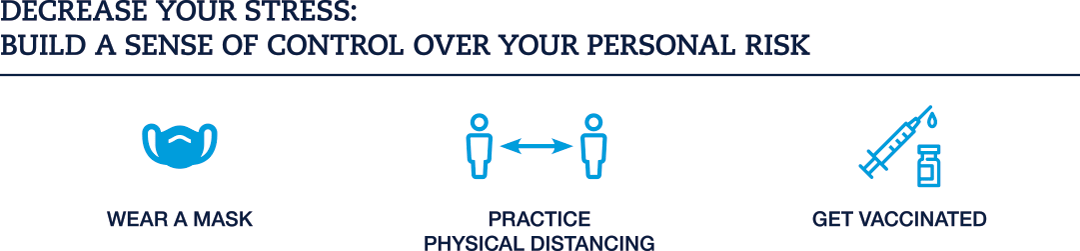
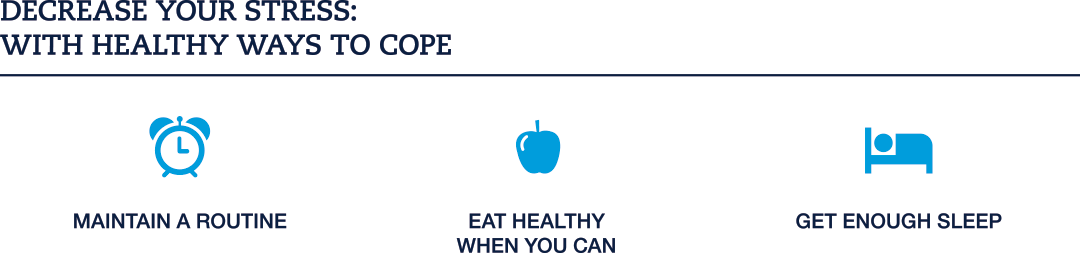
The NIMH and other health organizations are emphasizing "individual agency" as a component of recovery. Borja suggests that engaging in healthy coping mechanisms—such as maintaining rigid routines, prioritizing sleep, and regular exercise—can help bridge the gap while systemic changes are implemented. Furthermore, actions that reduce personal risk, such as vaccination, can provide a psychological "sense of control" that mitigates anxiety.
Legislative Intervention: S. 1902
On the policy front, there is a growing recognition that the current system is ill-equipped to handle the volume of need. The Behavioral Health Crisis Services Expansion Act (S. 1902) represents a major legislative effort to address this. The bill aims to:
- Establish national standards for behavioral health crisis services.
- Ensure services are available to all individuals regardless of their ability to pay.
- Expand the "care continuum" to include mobile crisis teams and stabilization centers, reducing the reliance on police and emergency rooms.
Implications: A New Mandate for Public Health
The long-term implications of this mental health surge are profound. Experts argue that we can no longer treat mental health as a secondary concern to physical health; the two are inextricably linked.
The "Silver Lining" of Reduced Stigma
If there is a positive outcome to be found, Susan Borja suggests it is the "increased recognition" of mental health’s importance. The pandemic has normalized conversations about depression and anxiety, potentially lowering the threshold for people to seek help. This cultural shift is essential for the success of future public health initiatives.
The Need for Systemic Reform
For Dr. Krass and her colleagues, the path forward requires more than just awareness. It requires a fundamental reallocation of resources. "We must fund mental health research at the same levels as physical health, reduce the social determinants that drive these conditions—such as structural racism—and broaden access to treatment," she said.
The "shadow pandemic" has revealed the fragility of the American psychological landscape. As the nation moves forward, the success of the recovery will not just be measured by the absence of the virus, but by the restoration of the collective mental well-being of its citizens. The data suggests that while the acute phase of the pandemic may be ending, the work of healing the American mind has only just begun.