







In a significant breakthrough that bridges the gap between nutrition, cellular biology, and oncology, researchers at The Wistar Institute have identified a startling connection between the consumption of dietary fructose and the aggressive progression of ovarian cancer. Published in the journal Nature Aging, the study offers a new perspective on why ovarian cancer remains one of the most lethal malignancies, suggesting that the very cells that survive chemotherapy may be "signaling" their neighbors to spread, using a common dietary sugar as their messenger.
The Persistence of the Survivor: Understanding Ovarian Cancer Recurrence
To understand the gravity of this discovery, one must first recognize the clinical reality of ovarian cancer. Platinum-based chemotherapy is the gold standard for treatment, and in the majority of cases, patients exhibit an initially robust response. Tumors shrink, and the disease appears to retreat. However, the high rate of recurrence remains the "Achilles’ heel" of modern oncology. In most patients, the cancer eventually returns, typically metastasizing throughout the abdominal cavity. This secondary spread—metastasis—is responsible for approximately 90% of all deaths associated with the disease.
For decades, the medical community has sought to understand why these tumors return with such ferocity. Recent hypotheses have pointed toward a population of "persister" cells—cancer cells that remain dormant or biologically altered following chemotherapy. These cells are not necessarily dividing at the rapid rate of a growing tumor, but they are far from inert.
A Chronology of Discovery: From Observation to Mechanism
The research team, led by Dr. Katherine Aird and first author Dr. Aidan Cole, began by isolating these chemotherapy-surviving cells to observe their behavior in a controlled environment.
The Secret Communication Network
The researchers developed a sophisticated experimental model designed to separate these surviving cells from their environment. They collected the chemical "soup"—the secretome—produced by these cells and introduced it to healthy, unaffected cancer cells. The result was immediate and alarming: the unaffected cells, when exposed to these secretions, exhibited a significant increase in their ability to migrate and metastasize.
"As far as we know, this is the first time anyone has shown, in a preclinical model rather than just a dish, that it’s the molecules these cells release—not the cells themselves—that drive the cancer’s spread," Dr. Cole noted. This shifted the focus from the survival of the cells to the signals they were emitting.
Identifying the Culprit: The Fructose Connection
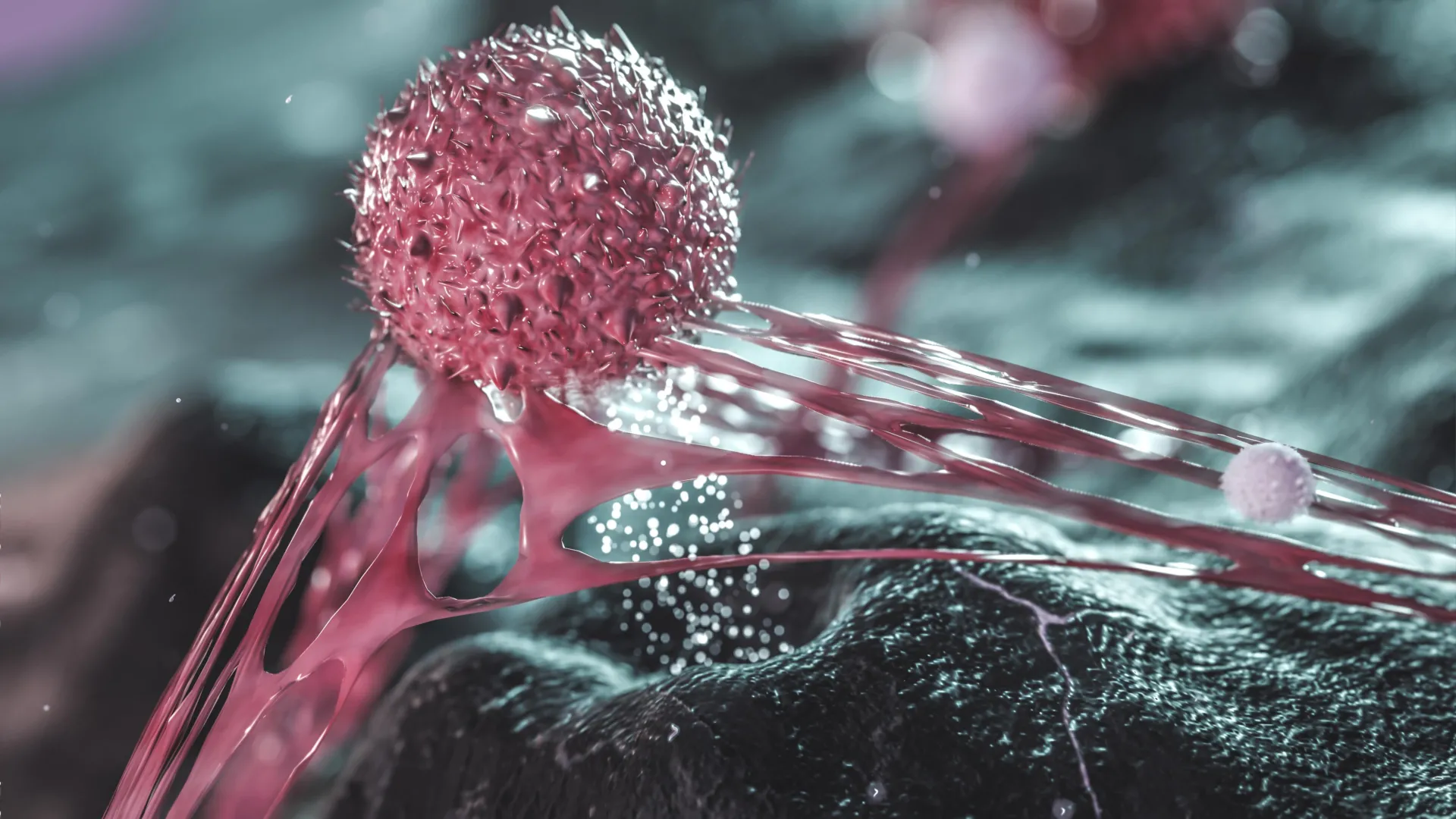
With the mechanism of "signaling" confirmed, the team utilized analytical chemistry to identify the specific molecule responsible for this aggressive behavior. Their analysis pinpointed fructose. The findings suggest that these surviving cancer cells synthesize and release fructose, which then acts as a biochemical "go" signal to surrounding cells, encouraging them to detach from the tumor mass and invade surrounding tissues.
The Impact of Diet
Perhaps the most provocative aspect of the study is the role of exogenous, or dietary, fructose. The researchers discovered that high levels of dietary fructose—levels comparable to those found in standard sugary beverages—could trigger the same metastatic pathways, even in the absence of prior chemotherapy. This suggests that the biological "signal" the cancer cells are producing can be mimicked or amplified by the sugar consumed by the patient, potentially accelerating the disease’s trajectory.
Unraveling the Biological Mechanism: The Cholesterol Link
The study did not stop at identifying the "what"; it sought to explain the "how." Through large-scale analytical methods, including CRISPR-based genetic screening, the researchers mapped the intracellular cascade triggered by fructose.
They discovered that fructose intake downregulates the production of cholesterol within the cancer cells. While cholesterol is often viewed negatively in the context of heart health, in the context of oncology, it serves a vital structural role. Cholesterol acts as a "biological glue," maintaining the tight junctions and adhesion molecules that keep cells attached to one another.
When fructose suppresses cholesterol synthesis, these cellular bonds weaken. Deprived of their structural adhesive, the cancer cells become motile, easily detaching from the primary tumor site to invade the abdominal cavity. This creates a clear, logical pathway: Fructose intake leads to reduced cholesterol, which leads to increased cell motility, which culminates in metastasis.
Official Responses and Clinical Implications
The implications of this study are far-reaching, prompting both excitement regarding future therapeutic targets and caution regarding current medical practices.
The Statin Conundrum
One of the most complex aspects of the findings involves the use of statins. Millions of Americans rely on statin therapy to lower cholesterol levels to prevent cardiovascular disease. Because the study indicates that reduced cholesterol production can inadvertently weaken the "glue" holding tumor cells together, the researchers have raised important questions about the intersection of cardiovascular health and cancer treatment.
"We haven’t tested this effect in patients yet, but it raises questions about combining cholesterol-lowering drugs with chemotherapy, especially since ovarian cancer is most common in postmenopausal women who are often already on statins," explained Dr. Aird.
However, the team was quick to issue a stern warning: This study does not provide a reason for patients to discontinue their prescribed medications. The research is currently in the preclinical stage, and clinical outcomes could differ significantly. The interaction between systemic cholesterol levels and local tumor microenvironment cholesterol is a nuanced area that requires extensive clinical investigation before any changes in patient care can be considered.
A Potential Paradigm Shift in Nutrition
For the first time, researchers have provided a molecular basis for why nutrition might play a more direct role in cancer progression than previously understood. With fructose accounting for anywhere from 8% to 20% of daily caloric intake in some populations—largely through high-fructose corn syrup—the ability to modulate this risk through diet represents a rare, non-pharmacological lever that patients and clinicians might eventually use to improve outcomes.
While the researchers have not yet conducted a clinical trial to determine if dietary modification alone can improve survival rates, the data provides a strong foundation for future dietary intervention studies.
Toward a Universal Understanding: Beyond Ovarian Cancer
The Wistar Institute team believes their findings may extend far beyond the specific case of ovarian cancer. Many of the most aggressive cancers—including pancreatic, colon, and liver cancers—share a similar pattern of spreading within the torso.
"We think other cancers that spread within the torso could behave similarly," Dr. Aird stated. "We can’t call it universal yet, but we think the effects are not just limited to ovarian cancer."
The researchers have already begun mapping out follow-up studies to test whether this fructose-cholesterol pathway is a shared vulnerability across multiple malignancies. If confirmed, this could lead to a new class of "metabolic-oncology" therapies designed to block these specific signaling pathways, potentially preventing the metastatic spread that currently claims so many lives.
Conclusion: The Path Forward
The study from The Wistar Institute marks a pivotal moment in our understanding of cancer progression. By identifying fructose not just as a fuel source, but as a sophisticated signaling molecule that facilitates cellular escape, the researchers have opened a new door for potential therapeutic intervention.
As the team moves into the next phase of their research, the global medical community will be watching closely. While the prospect of diet-based cancer management remains on the horizon, the clarity provided by this study—that what we consume may communicate directly with the microscopic processes of a tumor—is a profound reminder of the intricate and often invisible ways that lifestyle choices and disease biology are inextricably linked.
For now, the message from the lab is one of scientific rigor and cautious optimism: while the link between sugar and cancer spread is stronger than ever, the path to clinical application is paved with the necessity of further, rigorous investigation.