By Health & Science Correspondent
In a significant contribution to nutritional neurology, a comprehensive long-term study published on February 4, 2026, in Neurology Open Access—the official journal of the American Academy of Neurology—has provided compelling evidence linking the Mediterranean-style eating pattern to a reduced risk of stroke in women. While the study stops short of declaring a direct causal link, the findings suggest that the dietary choices women make today could have profound implications for their cerebrovascular health two decades down the line.
Main Facts: A Dietary Blueprint for Brain Health
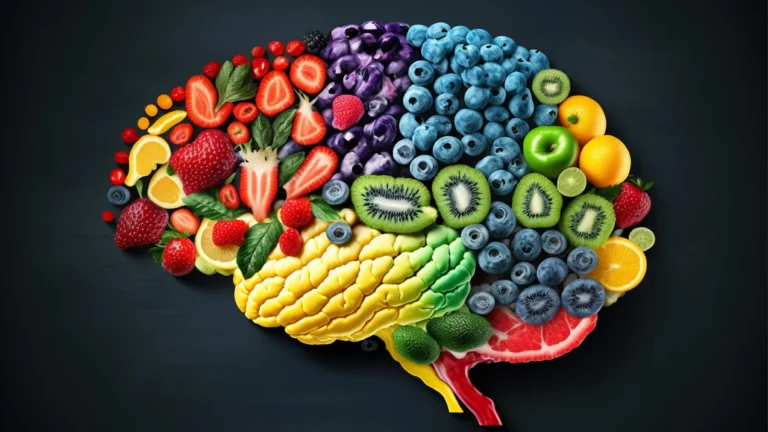
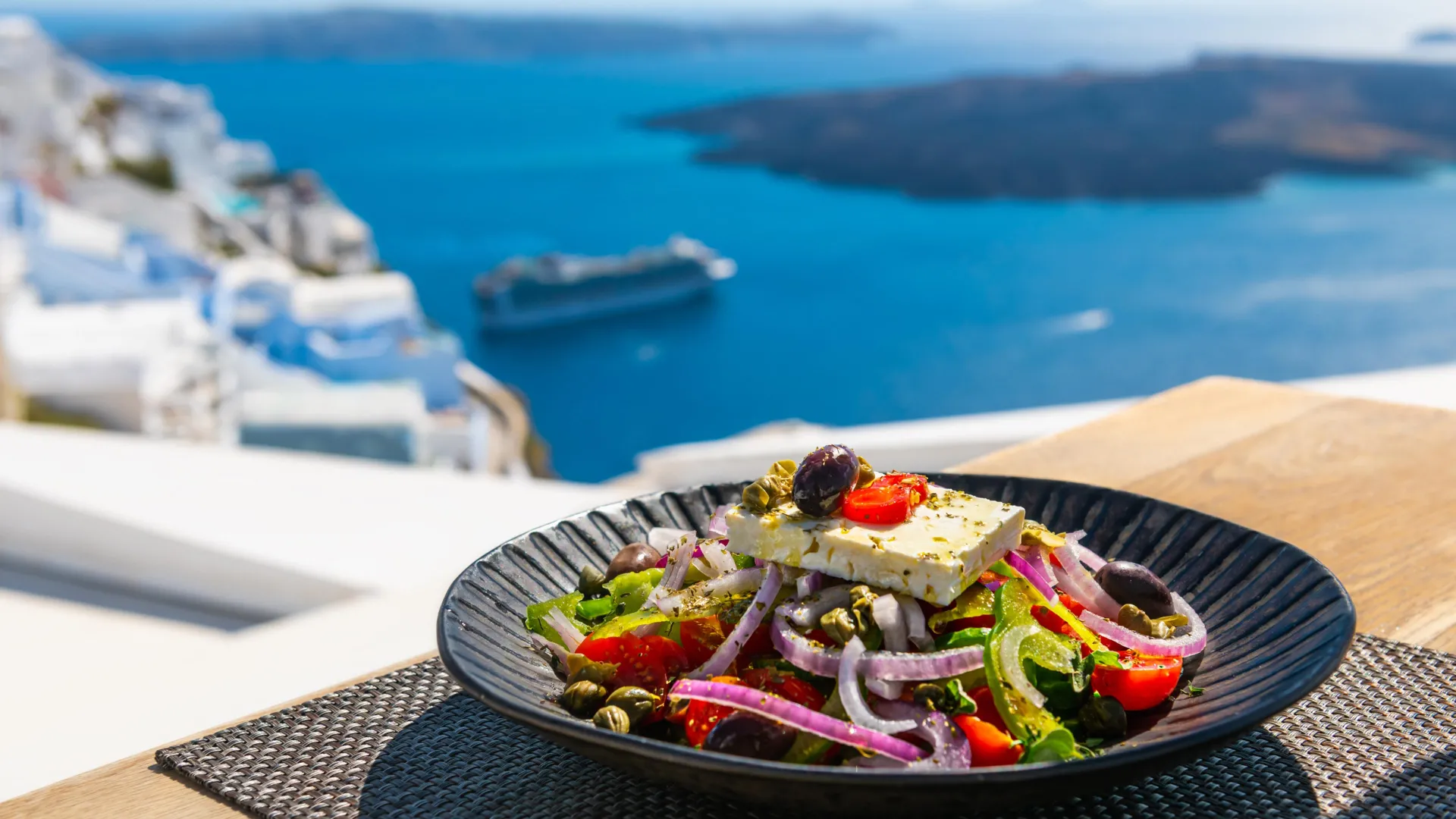
The Mediterranean diet is not merely a weight-loss trend; it is a lifestyle pattern characterized by a high intake of plant-based foods, including vegetables, fruits, legumes, and whole grains, paired with healthy unsaturated fats like olive oil and frequent consumption of fish. Conversely, the diet minimizes the intake of red meat, processed dairy, and saturated fats.
The recent study, which spanned over two decades, tracked over 105,000 women to determine if adherence to this nutritional framework could serve as a protective barrier against the two primary categories of stroke: ischemic and hemorrhagic. The results were striking: women who most closely adhered to the Mediterranean diet demonstrated an 18% lower risk of experiencing any form of stroke compared to those whose diets deviated most significantly from these guidelines.
Chronology of the Research: Two Decades of Observation
The study, led by Dr. Sophia S. Wang of the City of Hope Comprehensive Cancer Center in Duarte, California, was a massive undertaking that tracked 105,614 women. At the commencement of the study, the average age of the participants was 53, and crucially, none had a prior history of stroke.
The Methodology
At the onset of the study, participants were required to complete detailed, comprehensive dietary questionnaires. To quantify adherence to the Mediterranean diet, researchers utilized a scoring system ranging from zero to nine. This scoring rubric awarded a single point for each of the following:
- Higher-than-average intake of whole grain cereals, fruits, vegetables, legumes, olive oil, and fish.
- Moderate alcohol consumption.
- Lower-than-average intake of red meat and dairy products.
Categorizing the Cohort
Researchers stratified the participants into groups based on their scores. Approximately 30% of the women fell into the "highest adherence" category, scoring between six and nine. At the other end of the spectrum, 13% of participants scored between zero and two, representing the lowest adherence group.
The Monitoring Phase
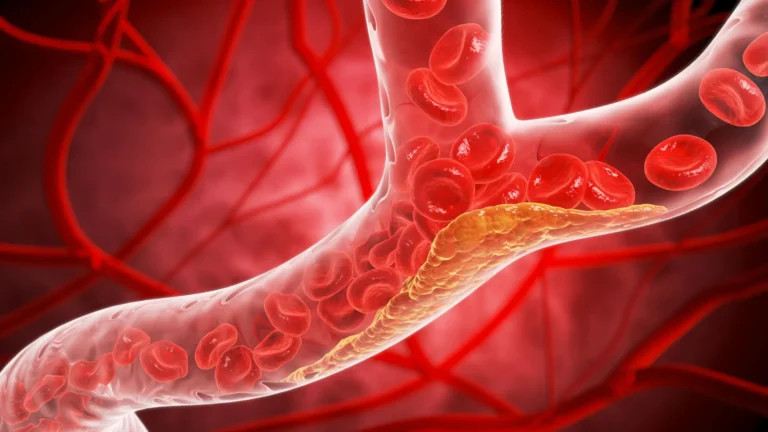
Over an average follow-up period of 21 years, the researchers maintained rigorous surveillance of the participants’ health outcomes. By the conclusion of the study, the research team had documented 4,083 total strokes. Of these, 3,358 were ischemic—where a blood clot blocks blood flow to the brain—and 725 were hemorrhagic, characterized by a ruptured blood vessel causing bleeding in the brain.
Supporting Data: The Statistical Significance
The data revealed a clear inverse relationship between Mediterranean diet scores and stroke incidence. Even after adjusting for significant confounding variables—such as smoking status, physical activity levels, and pre-existing high blood pressure—the protective association remained robust.
Breakdown of Stroke Risk Reduction:
- Total Stroke Risk: Women with the highest diet scores were 18% less likely to suffer a stroke than those in the lowest category.
- Ischemic Stroke: Among those in the high-adherence group, the risk of ischemic stroke was reduced by 16%.
- Hemorrhagic Stroke: Perhaps most significantly, the risk of hemorrhagic stroke was 25% lower in the highest adherence group.
These figures are particularly notable given the rarity of large-scale studies specifically analyzing the dietary impact on hemorrhagic strokes. The consistency of these results across both major stroke types provides a broader understanding of how nutrition impacts the complex vascular system of the brain.
Official Responses and Expert Commentary
Dr. Sophia S. Wang, the study’s lead author, emphasized the broader implications of the findings. "Our findings support the mounting evidence that a healthy diet is critical to stroke prevention," Dr. Wang stated. She noted that while medical science has long understood the benefits of the Mediterranean diet for heart health, this study reinforces the necessity of viewing the diet as a cornerstone of neurological health as well.
"We were especially interested to see that this finding applies to hemorrhagic stroke," Dr. Wang added, "as few large studies have looked at this type of stroke."
The medical community has responded with cautious optimism. Experts point out that the sheer scale of the study—105,000 participants followed for 21 years—lends it a high degree of statistical power. However, the American Academy of Neurology and other independent health organizations maintain that while the correlation is strong, it is not an absolute clinical guarantee. The study identifies an association, and further clinical trials will be necessary to establish a direct cause-and-effect relationship.
Implications: Changing the Future of Stroke Prevention
Stroke remains a leading cause of long-term disability and death globally. The economic and personal costs of post-stroke rehabilitation are staggering, making preventative strategies the primary focus of modern public health initiatives.
The Power of Preventative Nutrition
The implications of this study are vast. If dietary modifications can reduce the incidence of stroke by nearly one-fifth in women, it suggests that nutrition should be a frontline intervention in primary care. Rather than waiting for hypertension or high cholesterol to manifest, a transition to a Mediterranean-style diet could be recommended as a prophylactic measure for women as they enter their 50s and beyond.
Limitations of the Study
While the data is compelling, the researchers acknowledged specific limitations. The primary challenge in long-term nutritional studies is reliance on self-reported data. Participants filled out detailed questionnaires at the start of the study, but individual dietary habits can fluctuate over two decades. There is a inherent risk of "recall bias," where participants may inadvertently misreport their intake of certain food groups.
Furthermore, because the study was observational, it cannot definitively prove that the diet caused the reduction in stroke risk. It is possible that individuals who follow a Mediterranean diet are also more likely to engage in other health-conscious behaviors that were not fully captured by the study’s adjustments.
Future Research Directions
"Further studies are needed to confirm these findings and to help us understand the mechanisms behind them," Dr. Wang noted. Future research is expected to focus on the biological pathways through which Mediterranean-diet nutrients—such as omega-3 fatty acids and antioxidants—interact with vascular health to prevent the specific clotting or rupturing events that define strokes.
Conclusion
The study published in Neurology Open Access serves as a powerful reminder that our daily dietary choices are not just fuel; they are biological inputs that shape our long-term physiological trajectory. For women approaching middle age, adopting a Mediterranean-style eating pattern—rich in legumes, fish, and olive oil—offers a tangible, low-risk, and accessible method to potentially safeguard brain health.
As the medical community continues to explore the intersection of nutrition and neurology, this study stands as a foundational piece of evidence. While individual genetics and environmental factors play significant roles in stroke risk, the ability to mitigate that risk through something as fundamental as the contents of one’s dinner plate is a compelling call to action for public health awareness.
Funding for this extensive research was provided by the National Institute of Neurological Diseases and Stroke, reflecting the government’s ongoing commitment to uncovering the roots of neurological health. As the research moves forward, the hope remains that translating these dietary insights into clinical practice will significantly lower the global burden of stroke, granting millions of women the chance at a healthier, more active longevity.