









In a move that signals a profound transformation of federal health policy, President Donald Trump has officially nominated Dr. Heidi Overton to serve as the Commissioner of the Food and Drug Administration (FDA). Dr. Overton, a trusted White House health policy aide with deep ties to the current administration, steps into the role at a period of unprecedented volatility for the nation’s primary regulatory body.
Her nomination arrives as the Trump administration aggressively pursues a mandate to reshape the federal public health apparatus, particularly regarding childhood vaccination schedules and the regulation of reproductive health products. Dr. Overton’s candidacy reflects a strategic shift: moving away from the traditional model of an agency head acting as an independent scientific arbiter, and toward a leadership style more closely aligned with the White House’s broader political agenda.
The Nominee: A Profile of Political and Clinical Alignment
Dr. Heidi Overton is uniquely positioned for this role, possessing a dual background that balances clinical expertise with high-level policy experience. As a double board-certified physician in public health and general preventive medicine, she possesses the academic credentials typically expected of an FDA commissioner. Her educational pedigree, anchored by an advanced degree from Johns Hopkins University in clinical investigations, mirrors the professional trajectory of her predecessor, Dr. Marty Makary.
However, it is her tenure as a White House fellow and a top policy advisor during the Trump presidency that distinguishes her from recent predecessors. Unlike many commissioners who viewed themselves as stewards of an independent agency, Overton is deeply "plugged in" to the current administration’s political architecture.
"She has a close working relationship with the president," says Lauren Gardner, a seasoned FDA reporter for Politico. "She is very tuned into the political constituencies that this administration is juggling right now, particularly in the public health world. It is highly notable that she brings a political operator’s background to an agency that has historically tried to toe the line and present itself as an independent decision-maker."
Chronology of the Shift in FDA Leadership
The nomination of Dr. Overton is the latest in a series of administrative actions that have redefined the FDA’s role over the past several months:
- Late 2024/Early 2025: Following the departure of previous leadership, the FDA began grappling with significant staffing shortages—losing over 3,000 personnel due to aggressive budget cuts and administrative restructuring.
- Recent Weeks: Secretary Robert F. Kennedy Jr. took the helm at the Department of Health and Human Services (HHS), setting a tone for a fundamental review of vaccine safety and efficacy.
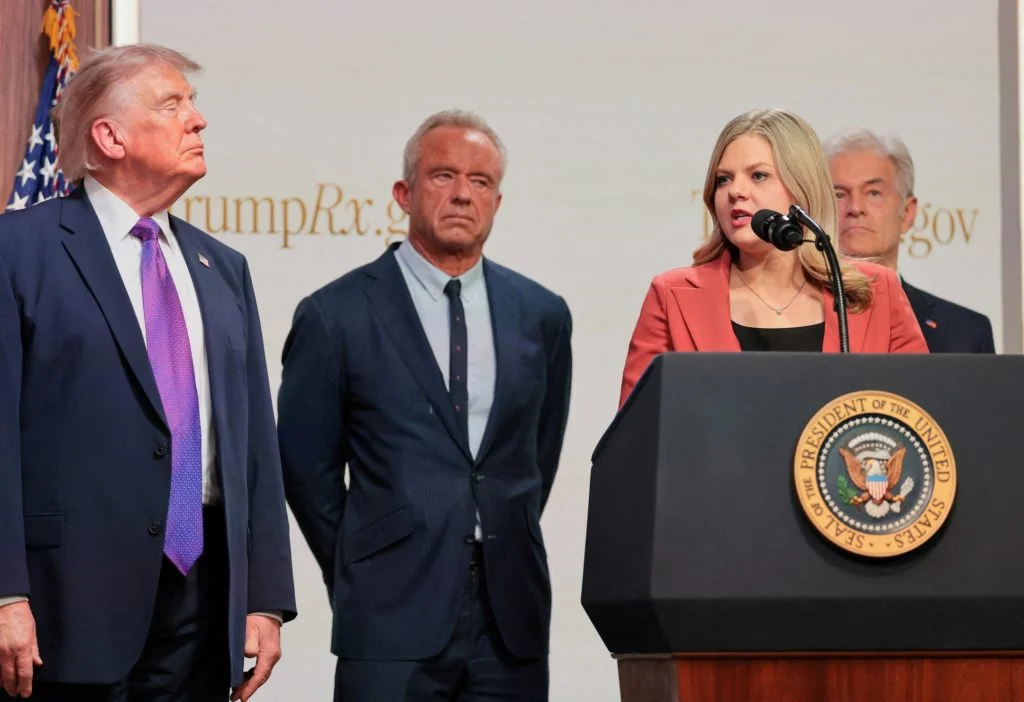
- Last Week: President Trump signed an executive order directing a comprehensive overhaul of the childhood vaccine schedule, a directive at which Dr. Overton was present, signaling her full-throated support for the initiative.
- Current Phase: The nomination now moves to the Senate, where a confirmation hearing is expected to be presided over by Senator Bill Cassidy.
The Vaccination Controversy: Challenging Consensus
Perhaps the most contentious aspect of Dr. Overton’s potential tenure is her vocal support for the administration’s skepticism regarding the current childhood vaccination schedule. The administration has proposed "slimmed-down" and "spaced-out" versions of standard vaccine requirements, including the potential separation of the Measles, Mumps, and Rubella (MMR) vaccine into individual, standalone doses.
These proposals have drawn sharp criticism from the broader medical and scientific communities, who argue that the current schedule is the result of decades of rigorous data collection and that altering it could lead to a resurgence of preventable diseases.
During her anticipated confirmation hearings, Dr. Overton will be forced to reconcile her support for these policies with the existing scientific consensus. "Folks who are close watchers of the agency—lobbyists, pharma companies, and public health advocates—are really curious to hear what she has to say once she gets to Capitol Hill," Gardner noted. "She will have to address these vaccine questions that have come to the fore under Secretary Kennedy’s leadership."
Beyond vaccines, Dr. Overton has also signaled a willingness to tighten restrictions on mifepristone, the medication commonly used for medical abortions. This position places her squarely at the center of the nation’s ongoing legal and political battle over reproductive health access.
Supporting Data: The Food Safety Crisis
The FDA’s capacity to function as a guardian of the nation’s food supply has been severely compromised by recent staffing losses. The agency is currently facing a public health challenge of mounting proportions.
Data from the FDA and the Centers for Disease Control and Prevention (CDC) reveal that there have been approximately 10,500 cases of foodborne illness associated with outbreaks in the current year. This figure is staggering—seven times higher than the annual average observed between 2021 and 2025.
The most prominent of these, an outbreak of Cyclospora, has significantly impacted consumer trust and grocery supply chains. While the administration has attributed the rise in cases to seasonal fluctuations, experts point to the "thinning of the ranks" at the FDA as a primary factor in the agency’s inability to effectively police and inspect food production facilities.
The Operational Implications: A Hollowed-Out Agency
If confirmed, Dr. Overton will inherit an agency that is effectively operating under a crisis of human capital. The loss of 3,000 employees has not merely affected food safety oversight; it has created bottlenecks in almost every facet of the FDA’s mission.
1. The Drug Review Bottleneck
The approval process for new medical products, which requires rigorous review by agency scientists, is currently struggling under the weight of attrition. Fewer staff members mean longer wait times for life-saving drugs and devices to reach the market, potentially hindering medical innovation in the United States.
2. Inspection Capabilities
The FDA’s ability to conduct routine, on-site inspections of manufacturing facilities—both for food and pharmaceuticals—has been significantly curtailed. This creates a "blind spot" in the supply chain, increasing the risk that contaminated or substandard products could reach consumers.
3. Institutional Knowledge Loss
Beyond raw numbers, the departure of veteran scientists and regulatory experts represents a profound loss of institutional memory. Rebuilding the agency’s expertise will be a multi-year challenge. Senators are expected to demand a concrete plan from Dr. Overton on how she intends to recruit new talent into an agency that has been characterized by recent reports as having suffered from extreme "turmoil."
Looking Ahead: The Confirmation Path
The confirmation process for Dr. Overton will be a litmus test for the Senate’s appetite for the Trump administration’s approach to public health. With the FDA historically serving as the "gold standard" for regulatory independence, the Senate will likely probe whether Dr. Overton views herself as an advocate for the agency’s scientific integrity or as an agent of the White House’s political mandate.
As the nation waits to see how this transition unfolds, the stakes remain high. The FDA’s mission—to ensure the safety and efficacy of the food, drugs, and medical devices that millions of Americans rely on daily—has never been more challenged. For Dr. Overton, the transition from a political aide to the chief of one of the world’s most critical regulatory bodies will require navigating a narrow path between partisan loyalty and the objective, science-based responsibilities of the FDA commissioner.
Should she be confirmed, the coming months will likely be defined by a delicate balance: addressing the urgent need for operational stability in food and drug safety while navigating the radical policy shifts that define the current administration’s vision for the future of American health.