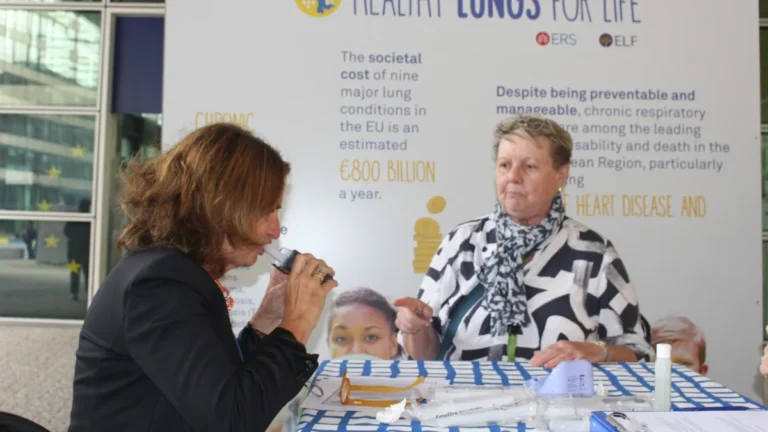
The landscape of modern respiratory care is defined not only by clinical expertise but by a profound commitment to education, community outreach, and the pursuit of excellence in patient outcomes. Across the United States, members of the American Association for Respiratory Care (AARC) are currently at the forefront of these efforts, garnering recognition for their contributions to the profession. From the academic triumphs of the next generation of therapists to the cutting-edge innovations in critical care training and hospital-wide accolades, the following report highlights the individuals shaping the future of respiratory medicine.
1. Main Facts: A Collective Impact
The AARC represents a diverse community of practitioners, educators, and students dedicated to the highest standards of respiratory health. Recent regional reports have spotlighted five distinct AARC members whose professional milestones reflect the broader goals of the association:
- Marlena Pellon (Student Member): Honored with the 2025 Brad Leidich Memorial Scholarship for her dedication to the field at Berkshire Community College.
- Rob Sigler and Crystal Fey: Recognized for their leadership at Robert Wood Johnson University Hospital, which recently secured the prestigious AARC Apex Award.
- Randy Solly, MS, RRT, RPFT, AE-C: Spearheading technological advancement at Gwynedd Mercy University through the acquisition of high-fidelity simulation equipment.
- Lisa Leib, RRT, RRT-NPS: Championing recruitment and community awareness through a public open house at Eastern Florida State College.
- Kelsey Guyan, CRT: Contributing to facility-wide excellence at Fulton County Medical Center, which recently achieved national certification for its rehabilitation programs.
2. Chronology: A Season of Achievement
The achievements noted above reflect a strategic, sustained effort by respiratory care professionals to advance the field through various channels.
Early 2026: Setting the Standard
The year began with a wave of institutional and individual successes. In early January, Robert Wood Johnson University Hospital announced the receipt of the AARC Apex Award, a distinction that recognizes facilities that demonstrate high-quality, patient-centered care. Leaders such as Rob Sigler and Crystal Fey were instrumental in this achievement, overseeing clinical practices that align with the rigorous standards set by the AARC.
Mid-January: Investing in the Future
Simultaneously, academic institutions began highlighting the intersection of technology and clinical preparation. At Gwynedd Mercy University, Randy Solly’s successful procurement of a state-of-the-art critical care mannequin signaled a shift toward more immersive, hands-on clinical training. This was followed by the announcement from Eastern Florida State College, where Lisa Leib organized an upcoming open house, reflecting a proactive approach to addressing the growing demand for respiratory therapists.
Late January: Celebrating Milestones
The momentum continued with individual and facility recognitions. Marlena Pellon’s scholarship award underscored the importance of supporting emerging talent, while the certification of the rehabilitation program at Fulton County Medical Center, featuring Kelsey Guyan, demonstrated the vital role of respiratory care in post-acute and preventative health settings.
3. Supporting Data: The Pillars of Modern Respiratory Care
To understand the significance of these achievements, one must look at the data driving the profession. The AARC Apex Award, for instance, is not merely an honorary title; it is a data-driven certification. Facilities must prove their commitment to evidence-based practice, patient safety, and the professional development of their staff.
The Role of Simulation in Education
The integration of critical care mannequins—such as the one acquired by Randy Solly’s program—is backed by research indicating that high-fidelity simulation improves student retention of complex clinical skills by up to 40%. By replicating high-acuity scenarios in a low-risk environment, students bridge the "theory-practice gap," entering the workforce with higher levels of clinical confidence.
Community Recruitment and Workforce Stability
The initiative led by Lisa Leib at Eastern Florida State College addresses a critical industry need. According to recent Bureau of Labor Statistics projections, the demand for respiratory therapists is expected to grow significantly faster than the average for all occupations. Open houses serve as a vital recruitment tool, demystifying the profession for prospective students and highlighting the diverse career paths available within the field.
4. Official Responses and Institutional Perspectives
The success of these AARC members is deeply tied to the institutions they represent. In statements regarding these achievements, administrators have consistently highlighted the importance of professional organization membership.
On the Apex Award:
"Our focus has always been on providing the highest quality care to our patients," stated representatives from RWJ Barnabas Health. "The expertise brought to the table by team members like Rob Sigler and Crystal Fey has been essential in aligning our protocols with AARC best practices. The Apex Award is a validation of that daily commitment."
On Academic Advancement:
Regarding the new simulation equipment at Gwynedd Mercy University, faculty members noted that "education must evolve alongside technology. By providing students with tools that mimic real-world critical care environments, we are ensuring they are prepared for the complexities of the modern ICU from their very first day on the job."
5. Implications: The Future of the Profession
These stories are more than individual accolades; they represent the trajectory of respiratory care in a post-pandemic era.
Elevating the Standard of Care
The certification of programs, such as the one in which Kelsey Guyan is involved, suggests a broader trend toward facility-wide accountability. As pulmonary and cardiovascular rehabilitation becomes increasingly vital for the aging population, the role of the CRT and RRT expands beyond acute bedside care into long-term health management.
The Importance of Mentorship and Recognition
The Brad Leidich Memorial Scholarship awarded to Marlena Pellon highlights the necessity of the "pipeline" approach. By providing financial and professional support to students, the community ensures that the field remains vibrant and populated by highly qualified professionals. This cycle of mentorship—where established professionals like Solly, Leib, and Sigler advocate for the next generation—is the bedrock of the profession’s longevity.
Building Public Trust
Finally, the efforts of practitioners like Lisa Leib in hosting community events serve a public health purpose. By educating the public on what respiratory therapists do—beyond the stereotypes of hospital-based care—the profession gains visibility. This visibility is essential for policy advocacy, ensuring that the critical role of respiratory care is recognized in both legislative and healthcare funding conversations.
Conclusion
The AARC members highlighted here are reflective of the thousands of therapists across the country who work tirelessly to improve patient outcomes and educational standards. Whether through the pursuit of national awards, the adoption of advanced simulation technology, or the dedicated mentorship of students, these individuals are setting a benchmark for what it means to be a respiratory care professional in 2026.
As the healthcare landscape continues to evolve, the combination of clinical rigor and community engagement demonstrated by these professionals will remain the defining characteristic of the respiratory care workforce. The AARC continues to support these endeavors, fostering an environment where innovation is celebrated, education is prioritized, and the patient always remains the primary focus.
Resources and Further Reading
- AARC Apex Award Criteria: For those interested in how hospitals can pursue the Apex Award, detailed criteria are available on the AARC official website.
- Professional Development: Members are encouraged to utilize the AARC’s continuing education resources to stay abreast of the latest clinical guidelines.
- Student Resources: Students looking for scholarship opportunities, such as the Brad Leidich Memorial Scholarship, are encouraged to connect with their local AARC chapters and faculty advisors to begin their applications early.
Note: For further details on the specific stories mentioned in this article, please refer to the original publications linked in the provided source material.