










By Healthcare Industry Correspondent
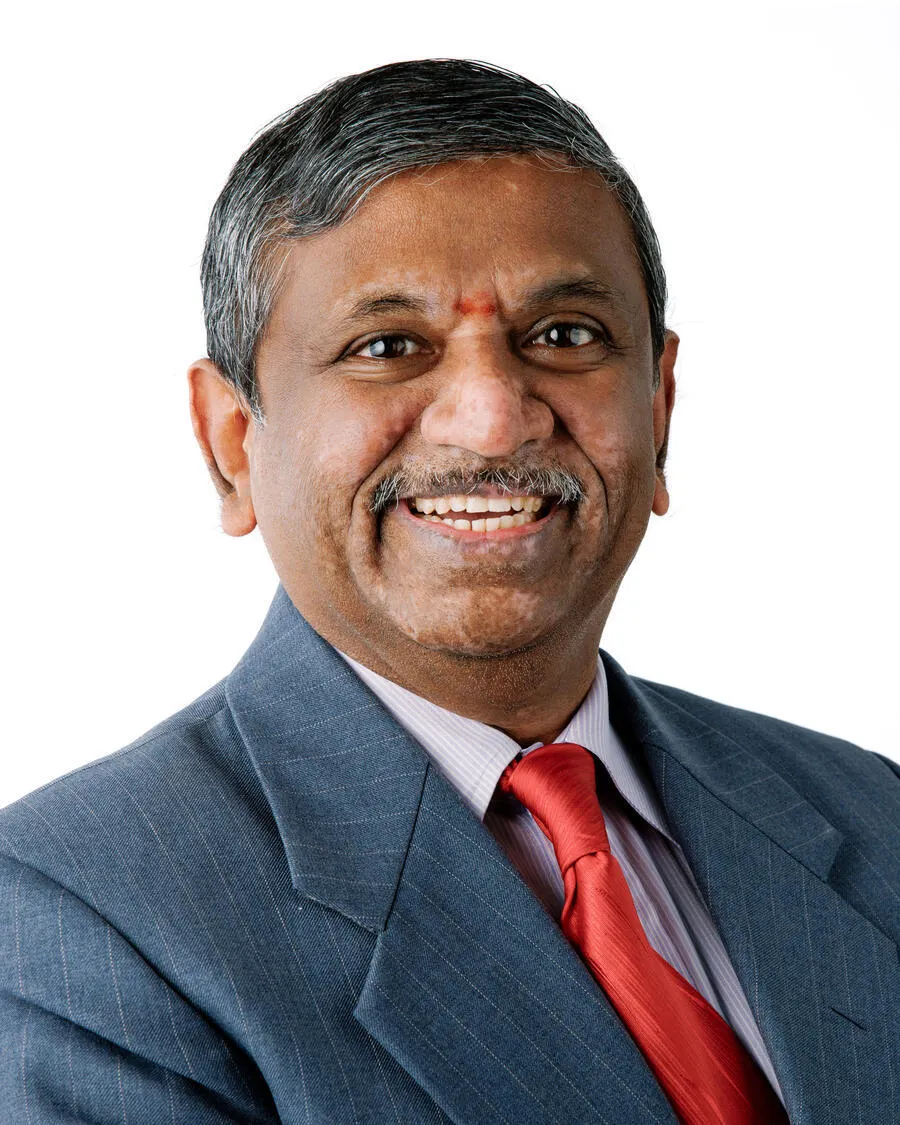
The Mayo Clinic, an internationally renowned leader in medical research and patient care, has officially entered a new chapter in its technological evolution. In May, the Rochester-based health system appointed Arun Kumar Bhaskara-Baba to the pivotal role of Chief Information Officer (CIO). Tasked with overseeing the vast digital infrastructure of a network comprising 16 hospitals and 45 multispecialty clinics, Bhaskara-Baba steps into the position at a critical juncture where artificial intelligence and data-driven healthcare are rapidly reshaping the patient experience.
His arrival marks the end of an era for the organization, succeeding Cris Ross, a long-standing veteran who retired in 2024 after a highly influential 12-year tenure. As Mayo Clinic continues to lean into its identity as a "platform" for healthcare innovation, Bhaskara-Baba’s mandate is clear: scale the organization’s technological capabilities to match its clinical ambitions.
The Core Mandate: Leadership in a Tech-Driven Healthcare Era
As the new CIO, Bhaskara-Baba is responsible for the backbone of Mayo Clinic’s operational and research ecosystem. This involves managing enterprise-wide information technology systems that facilitate seamless communication between clinics, support electronic health records (EHRs), and ensure the security of highly sensitive patient data.
With over 25 years of experience in global technology leadership, Bhaskara-Baba’s background is uniquely suited for the intersection of high-stakes manufacturing, aerospace logistics, and clinical informatics. Prior to joining the Mayo Clinic, he served as the CIO for Honeywell Aerospace and Defense, where he was instrumental in driving digital transformation and scaling artificial intelligence capabilities across complex global supply chains.
His leadership philosophy, shaped by years of navigating high-pressure environments at firms like Johnson & Johnson and Dell, is expected to bring a rigorous, industry-proven approach to the Mayo Clinic’s internal digital architecture.
A Chronology of Professional Trajectory
To understand the scope of the expertise Bhaskara-Baba brings to the Mayo Clinic, it is necessary to examine the trajectory of his career across several high-complexity sectors:
- Early Career & Foundation (Dell & Johnson & Johnson): Bhaskara-Baba cut his teeth in the competitive world of technology and risk management. During his tenure at Dell, he specialized in information security and quality compliance—areas that remain foundational to his approach today. At Johnson & Johnson, he scaled these responsibilities, directing global manufacturing IT and overseeing the digital integration of the company’s pharmaceutical, medical device, and consumer health divisions. This experience provided him with a profound understanding of how IT can serve as a catalyst for product innovation in heavily regulated, life-critical environments.
- The Honeywell Chapter: At Honeywell Aerospace and Defense, Bhaskara-Baba focused on the "Industrial Internet of Things" and the integration of AI into mission-critical aerospace systems. By successfully leading digital strategy in such a demanding sector, he demonstrated the ability to deploy complex technological solutions that demand 99.999% reliability—a requirement that translates directly to the hospital setting.
- Transition to Mayo Clinic (May 2024): Upon the retirement of Cris Ross, the Mayo Clinic initiated a search for a leader capable of maintaining the institution’s tradition of excellence while pivoting toward the "frontier" of generative AI. Bhaskara-Baba was appointed to lead the digital charge, signaling a strategic shift toward aggressive technological integration.
Supporting Data: Why AI Capability is the New Frontier
The appointment of a CIO with a deep background in AI is not a coincidence; it is a calculated response to the current state of medical technology. Mayo Clinic is currently engaged in some of the most sophisticated AI research in the world.
For instance, the clinic has recently pioneered research using AI to detect pancreatic cancer up to three years before a clinical diagnosis is possible. By analyzing patterns in historical patient data that are invisible to the human eye, these AI models allow for early intervention in one of the most difficult-to-treat cancers.
Furthermore, the scale of Mayo’s operations generates an unprecedented amount of data. Managing this "big data" efficiently is essential for the clinic’s "Bold. Forward." strategy, which aims to cure, connect, and transform healthcare globally. With Bhaskara-Baba at the helm, the organization is expected to double down on the infrastructure required to process, store, and analyze this data securely.

Official Responses and Strategic Partnerships
Mayo Clinic has been transparent about its intent to lead the industry in AI adoption. In June 2024, the organization made two major announcements that underscore the significance of the new CIO’s role:
- The Microsoft Partnership: Mayo Clinic announced a formal collaboration with Microsoft to build a "frontier" AI model. This project aims to synthesize vast amounts of clinical data to provide physicians with earlier, more accurate diagnostic capabilities and personalized treatment pathways. The goal is to move from reactive medicine to proactive, predictive care.
- NVIDIA Infrastructure: Recognizing that software is only as good as the hardware it runs on, the clinic has deployed NVIDIA’s advanced Blackwell infrastructure. This high-performance computing power is intended to accelerate drug discovery and support the complex computational needs of generative AI models in a medical context.
These initiatives are not merely experiments; they are core components of the Mayo Clinic’s future business model. As the organization transitions these tools from research labs to the clinical bedside, the CIO’s office will serve as the primary architect of this integration, ensuring that these systems are interoperable, secure, and intuitive for clinicians.
Implications: The Road Ahead for Healthcare CIOs
The selection of a CIO from outside the traditional healthcare provider sphere reflects a broader trend in the industry. Hospitals are no longer just care delivery centers; they are data-driven technology companies. The implications for the future of the Mayo Clinic and the broader healthcare sector are profound:
1. Security and Compliance in the Age of AI
As health systems adopt more AI tools, the attack surface for cyber threats increases. Bhaskara-Baba’s extensive background in information security and risk management will be tested as the Mayo Clinic expands its digital footprint. Protecting patient privacy while facilitating data sharing for research is a delicate balance that will define the success of his tenure.
2. Bridging the "Last Mile" of Clinical Adoption
One of the greatest challenges for any healthcare CIO is the "last mile"—the moment a physician interacts with a computer screen. Technology must assist, not impede, the patient-doctor relationship. Bhaskara-Baba’s experience in human-centric design, honed during his time at companies that prioritize user experience, will be critical in ensuring that new AI tools are adopted by staff rather than viewed as administrative burdens.
3. Scaling for Global Impact
Mayo Clinic’s platform strategy involves extending its clinical expertise beyond the walls of its physical hospitals. Whether through remote monitoring, digital consultations, or diagnostic support for other health systems, the technology stack must be scalable. Bhaskara-Baba is tasked with building a digital architecture that can support a global patient population, a task that requires a high degree of cloud-native expertise and global IT governance.
4. Cultural Transformation
Perhaps the most difficult task for a new CIO is the cultural shift. Integrating AI into medical practice requires a fundamental change in how clinicians perceive data. Bhaskara-Baba will need to foster a culture of technological literacy across the Mayo Clinic, ensuring that every department—from oncology to hospital administration—understands how to leverage the new tools at their disposal.
Conclusion: A New Blueprint for Medical Excellence
The appointment of Arun Kumar Bhaskara-Baba is a testament to the Mayo Clinic’s commitment to staying at the forefront of the medical revolution. By bringing in a leader with deep expertise in AI, manufacturing, and high-security systems, the clinic is signaling that the future of medicine will be built on the bedrock of superior digital infrastructure.
As Bhaskara-Baba settles into his new role, the healthcare world will be watching closely. The success of the Microsoft partnership, the implementation of NVIDIA’s computing power, and the overall digital strategy of the Mayo Clinic will likely serve as the gold standard for how academic medical centers navigate the 21st century.
While the challenges of data privacy, system integration, and clinician adoption remain formidable, the Mayo Clinic has clearly positioned itself to lead. With over 25 years of experience in navigating the most complex technological challenges in the corporate world, Bhaskara-Baba is well-prepared to guide one of the world’s most prestigious medical institutions into a future where technology is the ultimate ally in the healing arts.