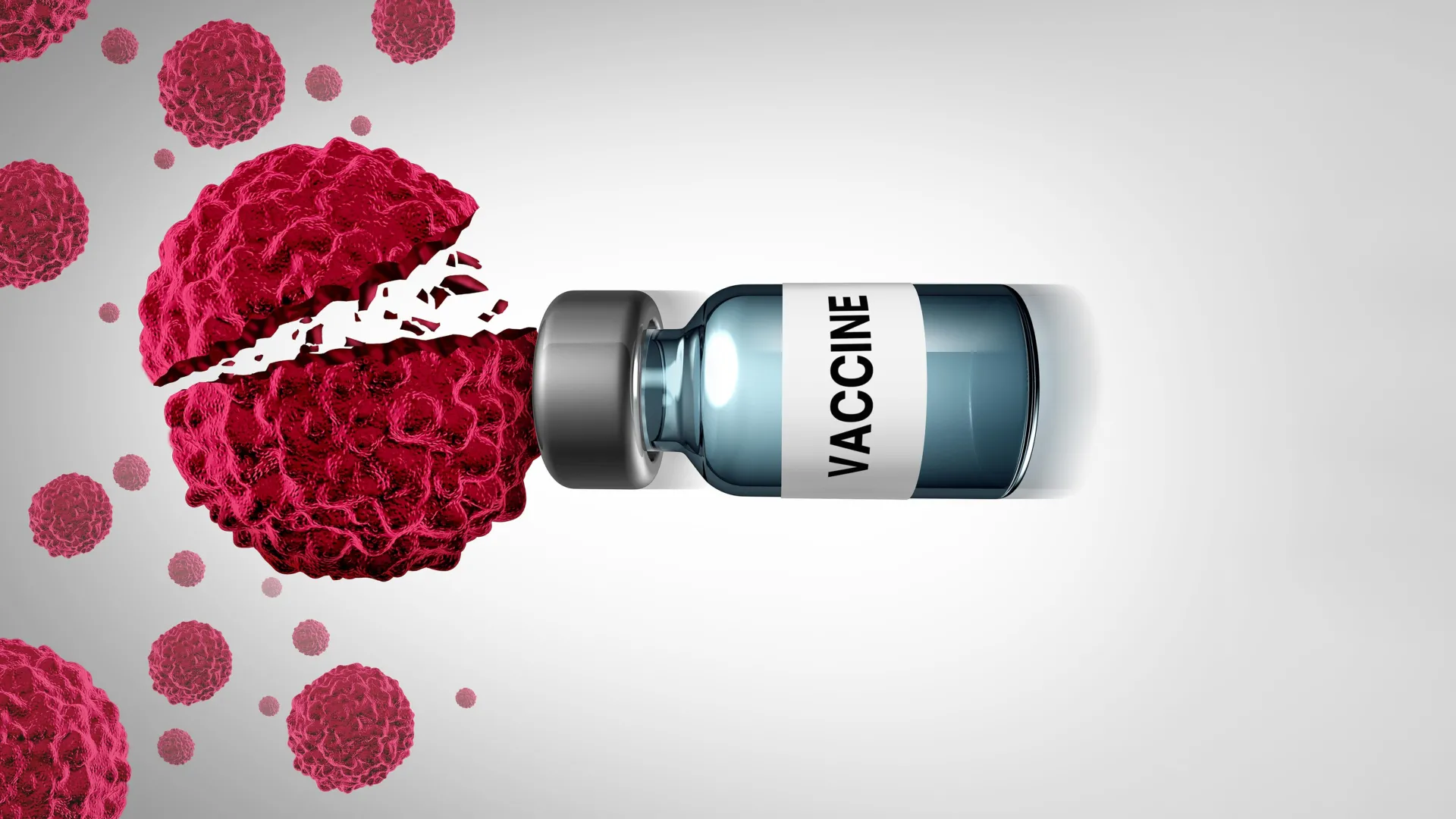
The global scientific community’s rapid development and deployment of mRNA vaccines during the COVID-19 pandemic served as a watershed moment in modern medicine. Beyond providing a shield against SARS-CoV-2, this platform technology has unlocked a new frontier in oncology. By leveraging the body’s own cellular machinery to identify and neutralize malignant cells, researchers are currently testing experimental mRNA vaccines against a spectrum of aggressive cancers, including melanoma, small cell lung cancer, and bladder cancer.
However, the leap from viral defense to cancer therapy is complex. A groundbreaking study published in the journal Nature by researchers at Washington University School of Medicine in St. Louis has now unveiled a critical, previously unknown mechanism governing how these vaccines function. The discovery that the immune system possesses a "backup" cellular pathway for triggering anti-tumor immunity may hold the key to optimizing the next generation of cancer immunotherapies.
The Core Discovery: Redundancy in the Immune Arsenal
For years, the consensus among immunologists was that a specific subset of immune cells, known as cDC1 (conventional dendritic cells type 1), served as the primary "general" of the immune system’s war against foreign invaders. These cells are specialized in capturing antigens—protein fragments—and presenting them to T cells, which then proliferate and hunt down infected or cancerous cells.
In the study conducted at WashU Medicine, researchers led by senior author Kenneth M. Murphy, MD, PhD, and co-corresponding author William E. Gillanders, MD, set out to determine if this reliance on cDC1 was absolute in the context of mRNA cancer vaccines. By utilizing mouse models genetically engineered to lack either cDC1 cells or a related subset known as cDC2, the team observed a surprising outcome: the mRNA vaccine remained highly effective even in the absence of the "essential" cDC1 cells.
This finding suggests that the immune system is far more resilient than previously understood. When cDC1 cells are unavailable, cDC2 cells—long thought to play a secondary or distinct role—step into the breach, effectively orchestrating the activation of T cells to launch a potent attack against tumor growth.
Chronology of a Scientific Breakthrough
The path to this discovery was paved by a multi-year effort to translate COVID-19 vaccine technology into oncology.
- Pre-2020: The foundational work on mRNA technology laid the groundwork for rapid deployment during the pandemic.
- 2020–2022: The global success of the Pfizer-BioNTech and Moderna mRNA platforms provided a "proof of concept," demonstrating that mRNA could safely and effectively teach the body to produce specific proteins.
- 2023: WashU researchers initiated a series of controlled experiments using mouse models to dissect the precise cellular interactions triggered by mRNA cancer vaccines.
- 2024: The team successfully mapped the interaction between dendritic cell subsets and T cells, revealing the "cross-dressing" mechanism that allows cDC2 cells to participate in tumor surveillance.
- Current Status: The findings have been published in Nature, providing a new blueprint for pharmaceutical developers to refine vaccine formulations.
Supporting Data: The "Cross-Dressing" Mechanism
The study revealed a fascinating, indirect process through which cDC2 cells fulfill their newfound role. Unlike cDC1 cells, which directly process and present tumor proteins, cDC2 cells utilize a mechanism called "cross-dressing."
In this process, other cells—often those in the immediate vicinity of the vaccine injection site—take up the mRNA, translate it into protein fragments, and display those fragments on their surfaces. The cDC2 cells then physically acquire these membrane complexes from the original cells. Once they have "dressed" themselves in these foreign proteins, the cDC2 cells are capable of presenting the tumor markers to T cells, thereby initiating the immune response.
Furthermore, molecular analysis of the T cells activated by these different dendritic cell pathways revealed distinct "fingerprints." While both cDC1 and cDC2 pathways successfully resulted in tumor rejection, the T cells they mobilized appeared to have complementary roles. This suggests that the immune response to a cancer vaccine is not a monolithic event, but a synergistic coordination of multiple cellular populations working in tandem.
Official Perspectives: Translating Research into Therapy
The implications for clinical practice are profound, according to the authors of the study. Dr. Kenneth M. Murphy, the Eugene Opie Centennial Professor of Pathology & Immunology at WashU Medicine, emphasizes that understanding these mechanisms is the final hurdle in making personalized cancer vaccines a reality.
"There is a lot of interest in applying the mRNA vaccine approaches used during the COVID-19 pandemic to the problem of inducing anti-tumor immunity," Dr. Murphy stated. "By dissecting which immune cells are involved and how they coordinate the response, we’re offering vaccine developers some additional mechanistic insights to consider in their goal of optimizing these vaccines against tumor proteins."
Dr. William E. Gillanders, a surgical oncologist and the Mary Culver Professor of Surgery at WashU Medicine, who is also spearheading an investigational vaccine for triple-negative breast cancer, believes the study addresses a critical gap in oncology.
"This work uncovers a new way mRNA vaccines engage the immune system—through both cDC1 and cDC2—which helps explain their power and gives researchers concrete targets for making future mRNA cancer vaccines more effective," Dr. Gillanders noted. "It could improve vaccine formulation and dosing, potentially explain why some patients respond better to vaccines than others, and guide strategies for making vaccines more effective."
Implications: The Future of Oncology
The discovery of the cDC1/cDC2 redundancy carries significant weight for the pharmaceutical and biotech industries. If cancer vaccines can be designed to activate both pathways simultaneously—or to compensate for the deficiency of one—the efficacy of these therapies could increase dramatically.
1. Personalized Vaccine Formulation
Future cancer vaccines might be optimized to include adjuvants—substances that enhance the body’s immune response—that specifically target both dendritic cell types. By knowing that cDC2 cells can effectively "cross-dress" to present antigens, developers can focus on creating mRNA sequences that are more easily processed and transferred, potentially increasing the speed and scale of the immune response.
2. Overcoming Patient Heterogeneity
One of the most persistent challenges in immunotherapy is that patients exhibit widely different responses to the same treatment. The fact that the immune system has a "built-in" backup system suggests that some patients may have more robust cDC2 populations, while others rely on cDC1. Diagnostic tests that measure these dendritic cell levels could eventually allow clinicians to predict which patients are the best candidates for mRNA vaccination.
3. A New Paradigm for Combination Therapies
The discovery also opens doors for combination therapies. If researchers can boost the "cross-dressing" capability of cDC2 cells while simultaneously stimulating cDC1 cells, they may be able to force an immune response in "cold" tumors—tumors that currently evade detection by the immune system.
4. Broadening the Scope
While the current focus is on melanoma and lung cancer, the mechanistic insights provided by the WashU study are universal. Because the fundamental interaction between dendritic cells and T cells is a conserved feature of the human immune system, this research provides a roadmap that could be applied to virtually any solid tumor, and potentially even to chronic viral infections that have proven difficult to treat.
Conclusion
The transition of mRNA technology from the public health crisis of COVID-19 to the clinical challenges of oncology represents one of the most exciting developments in modern science. By uncovering the complex, redundant, and highly cooperative nature of the immune system’s dendritic cells, the Washington University research team has provided more than just a biological curiosity; they have provided a target for the next decade of medical innovation.
As clinical trials continue to mature, the ability to "program" the immune system with precision will likely become the cornerstone of oncological care. With these new mechanistic insights, the prospect of a world where cancer is managed as a vaccine-preventable or vaccine-treatable disease is no longer a distant dream, but a tangible, scientifically backed reality. The redundancy of the immune system, once a source of complexity, has proven to be our greatest asset in the fight against cancer.